Every dog we can measure, painted.
Pawstrata places 258 dog breeds by measured genome sharing — a map of similarity, not a pedigree — and paints a portrait for each of them, and for the blends between them. Send the breed percentages from your dog’s DNA report and it draws your dog’s family tree.
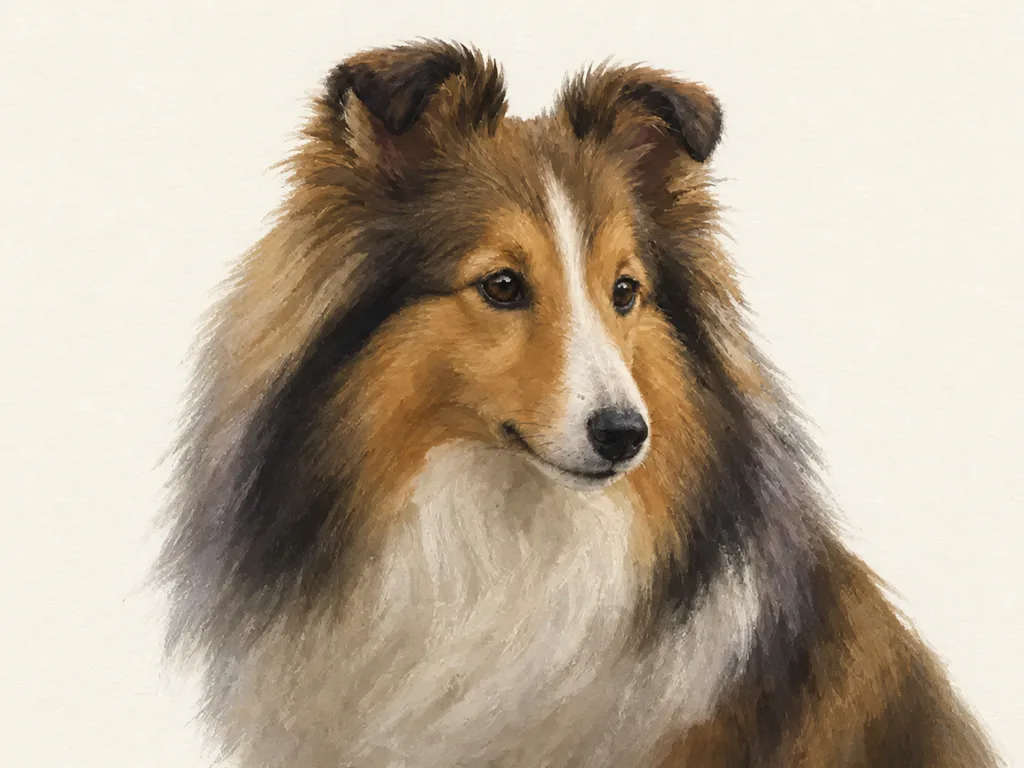
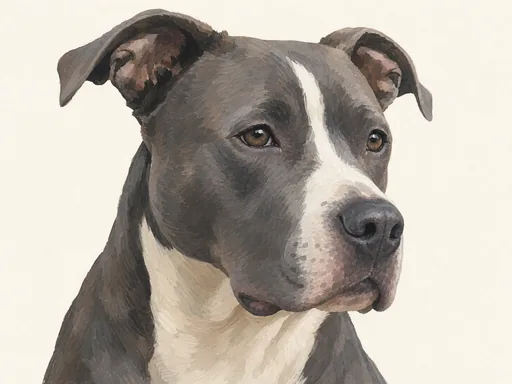
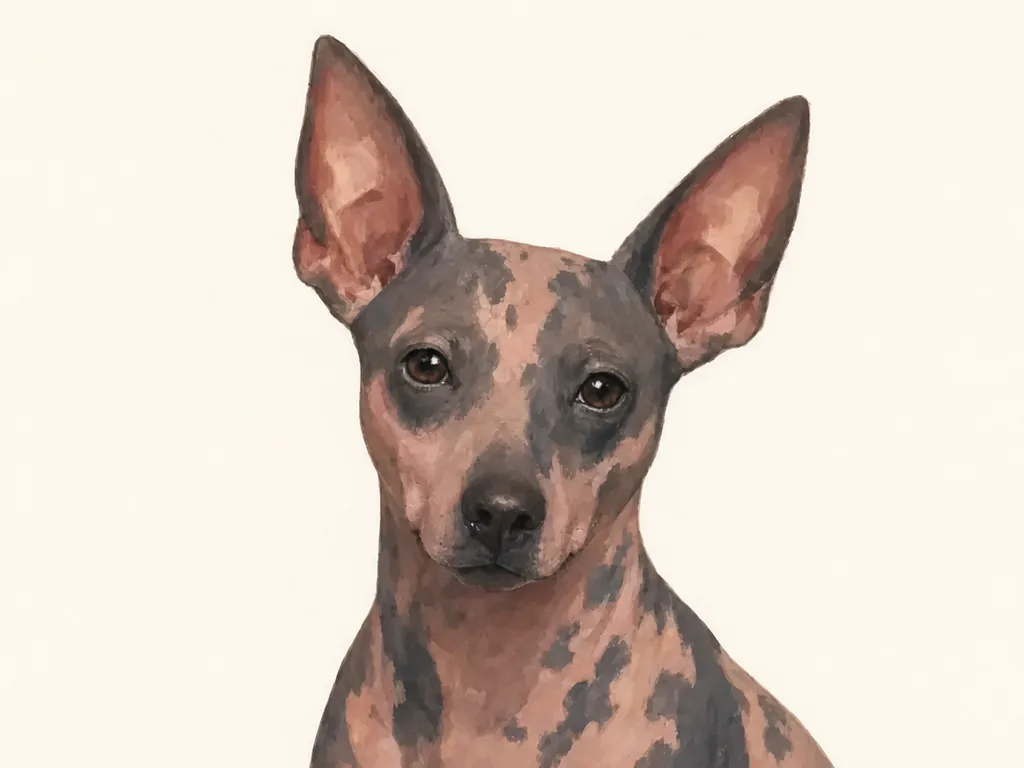
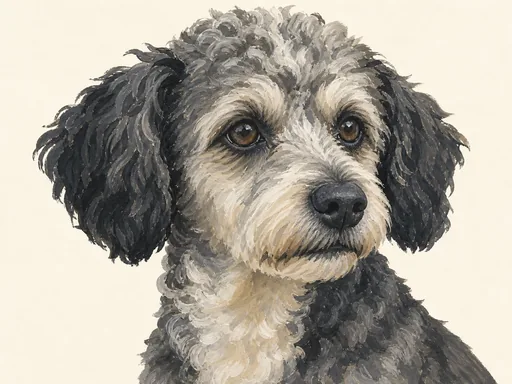
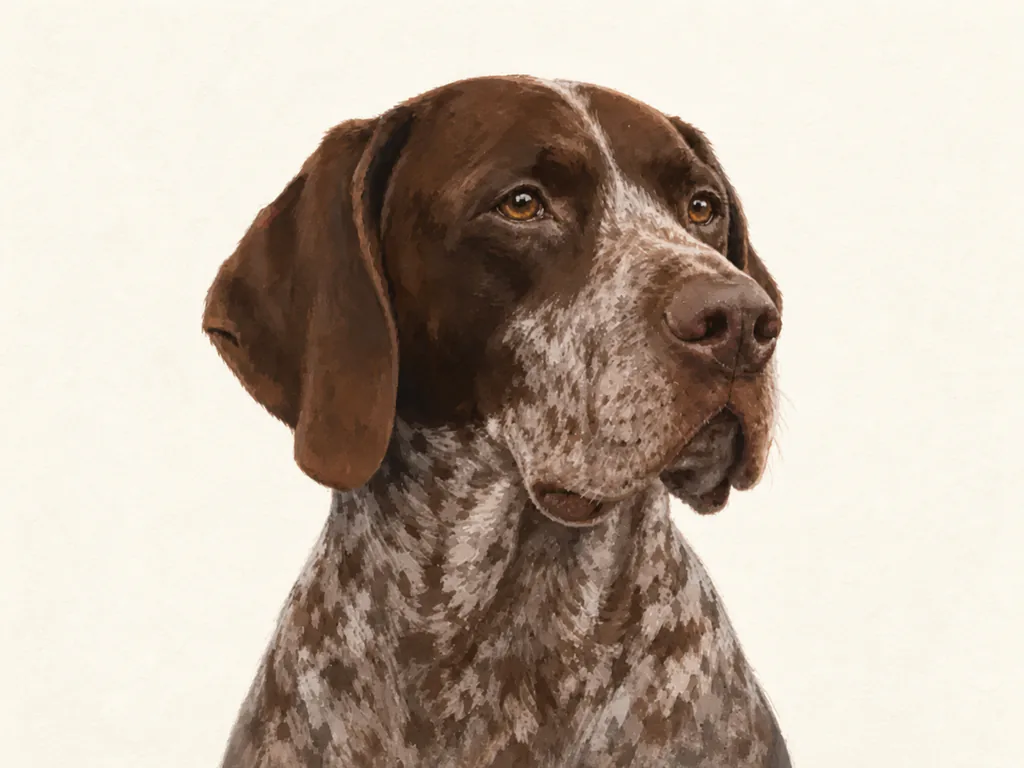
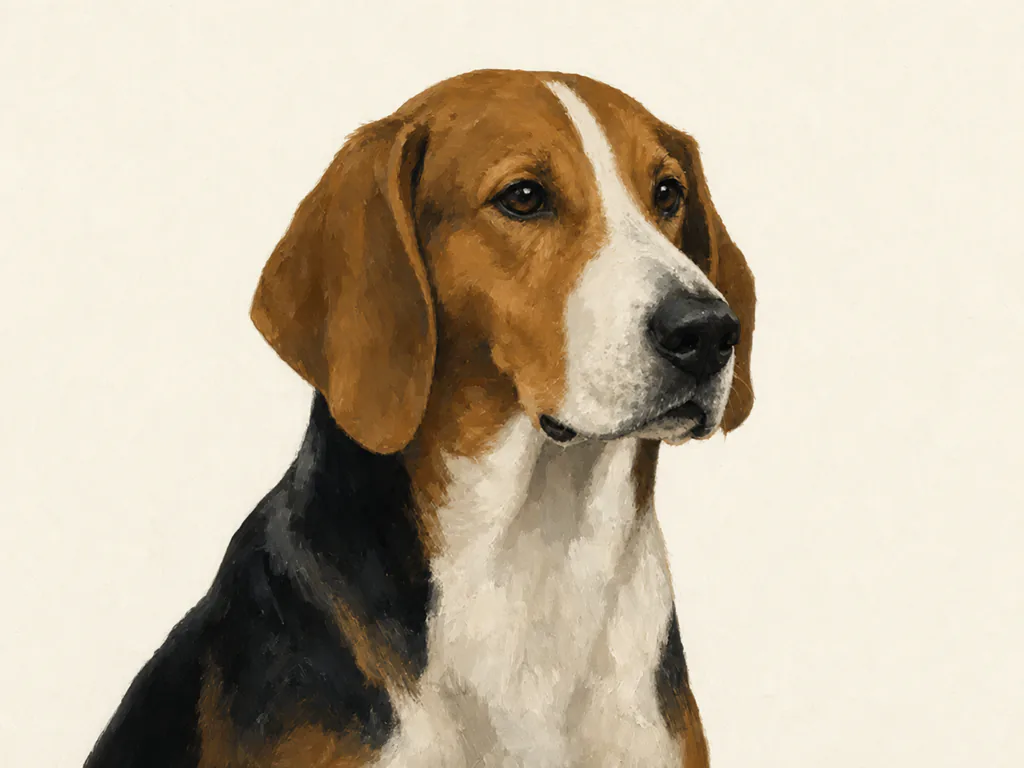
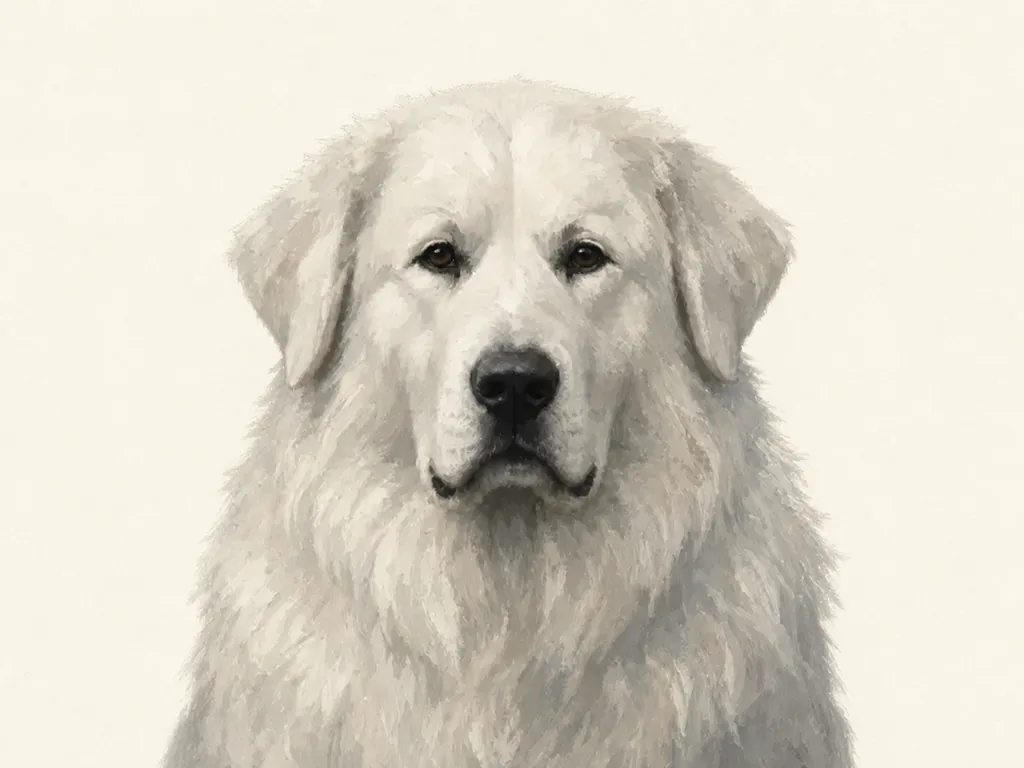
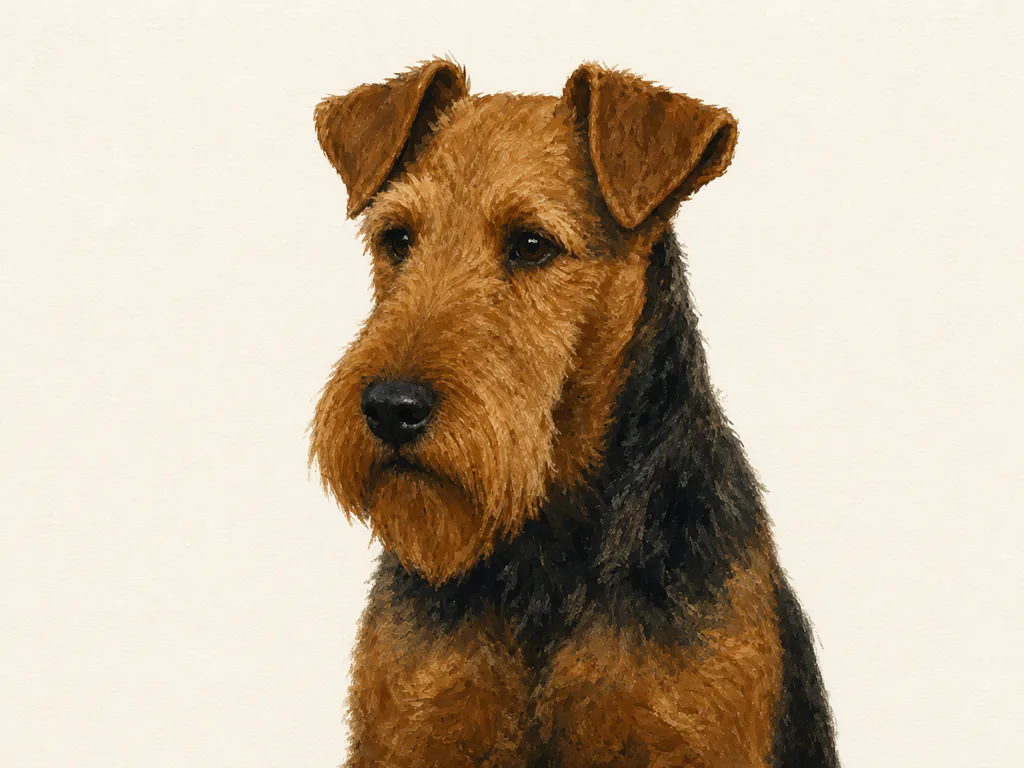
Every breed we have painted, and every blend.
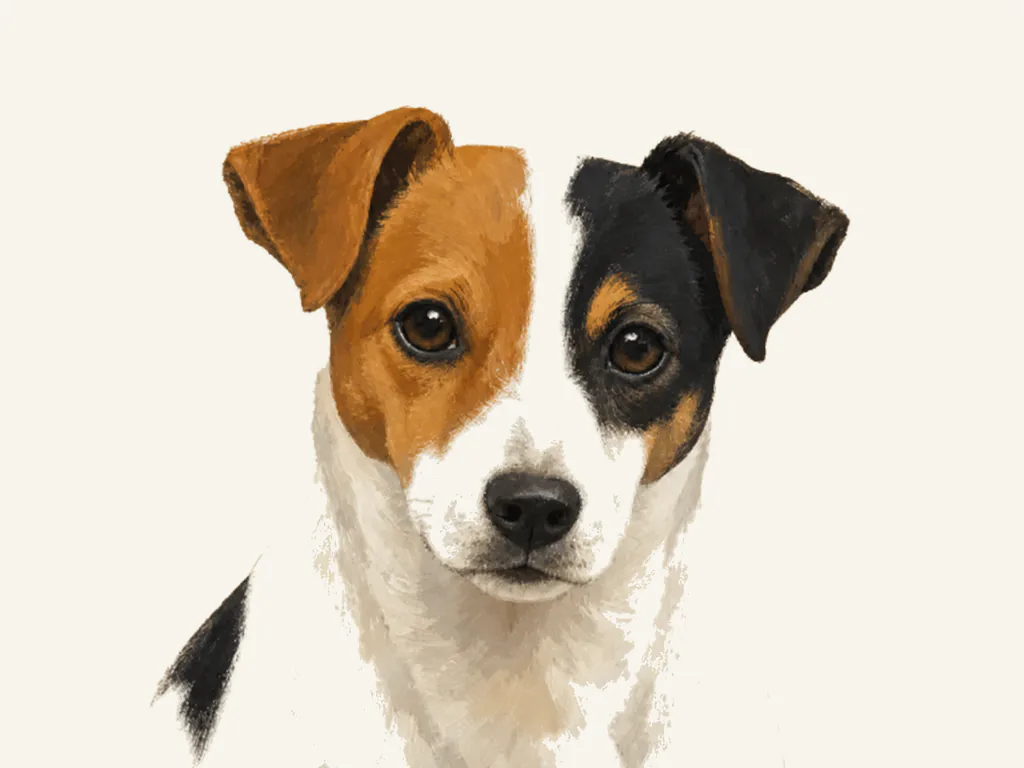
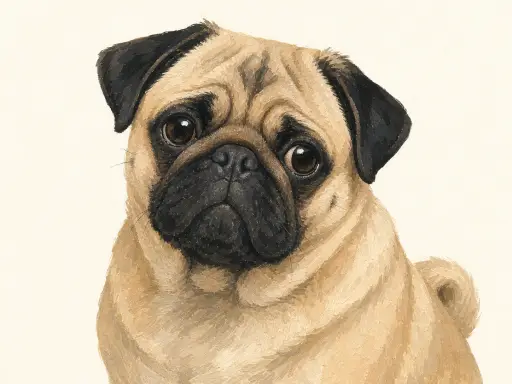
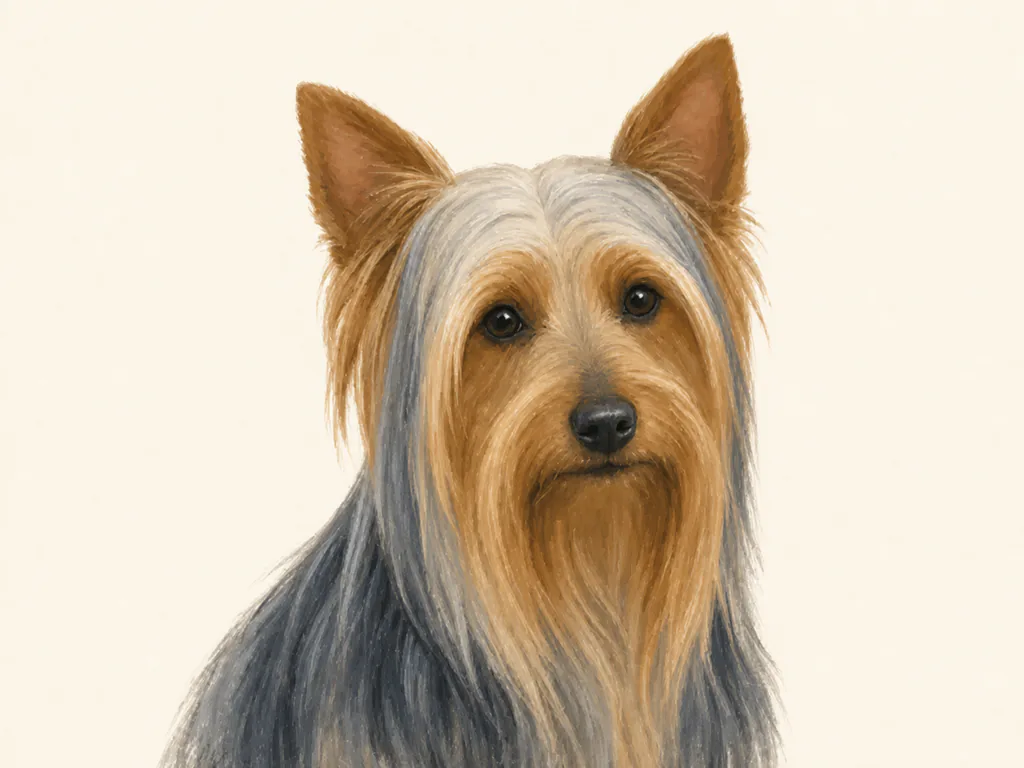
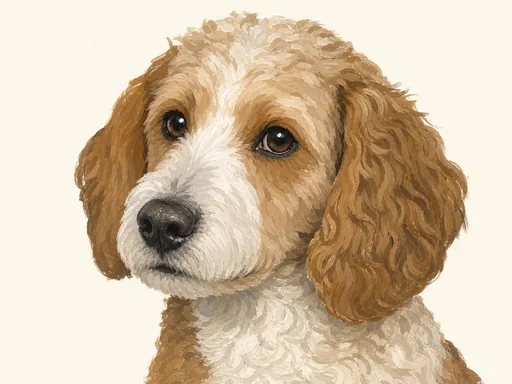
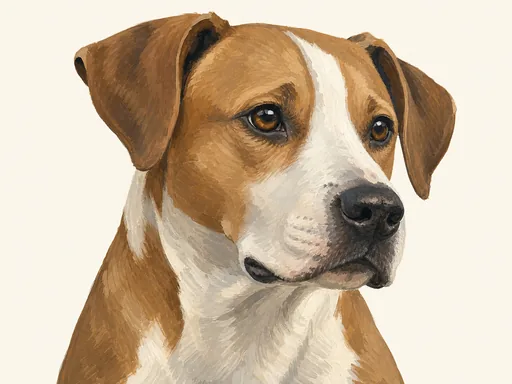
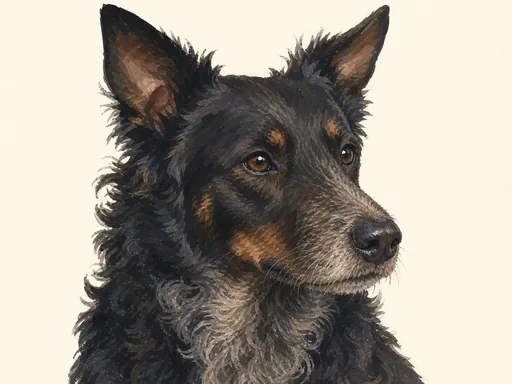
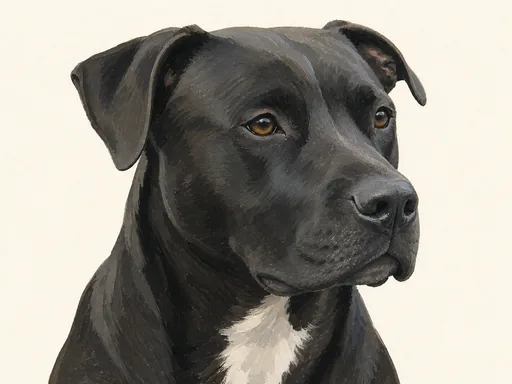
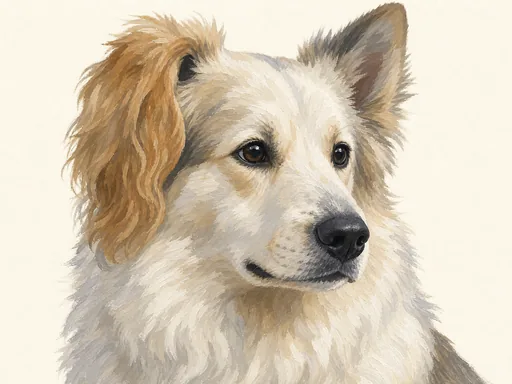
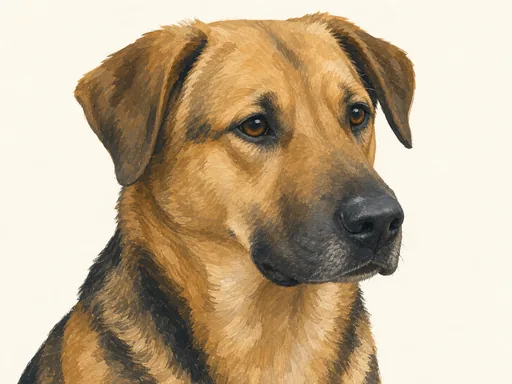
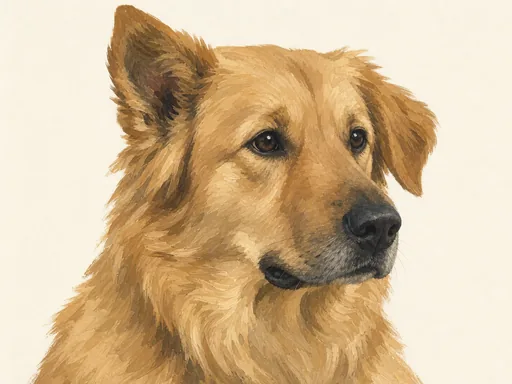
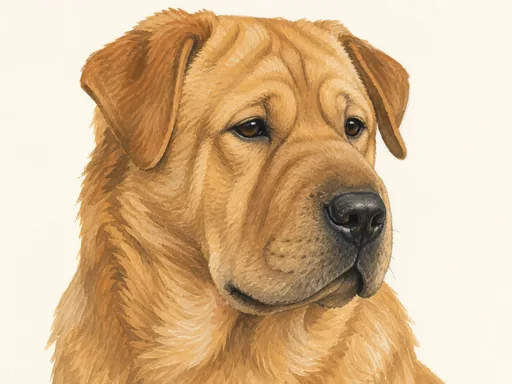
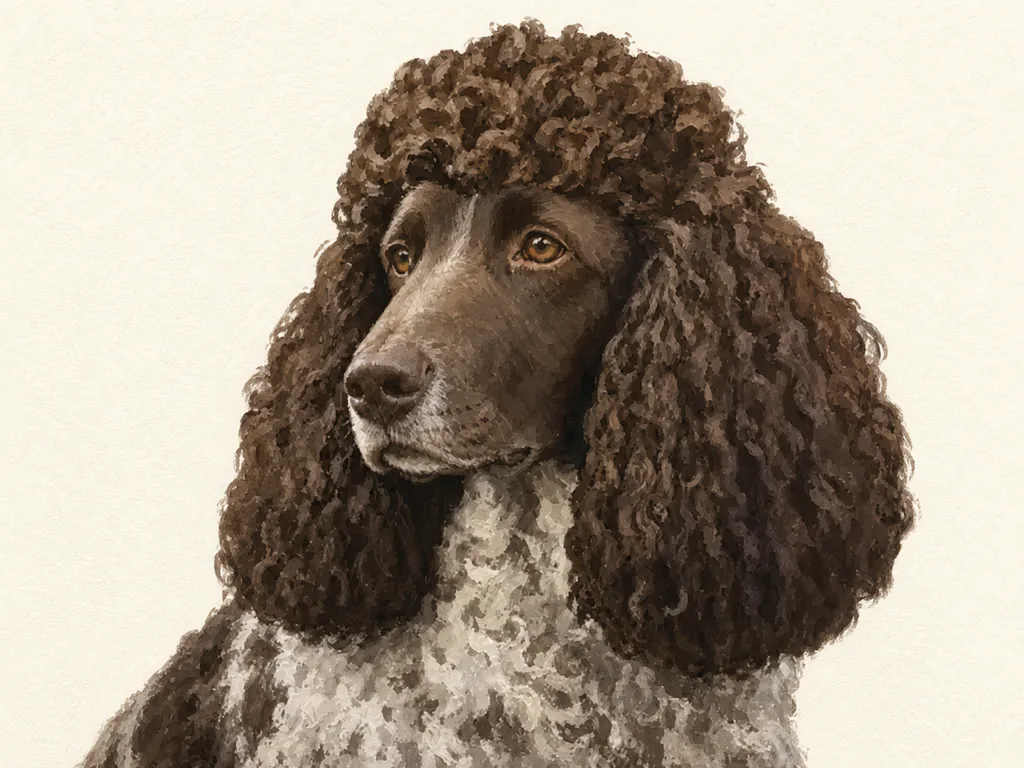
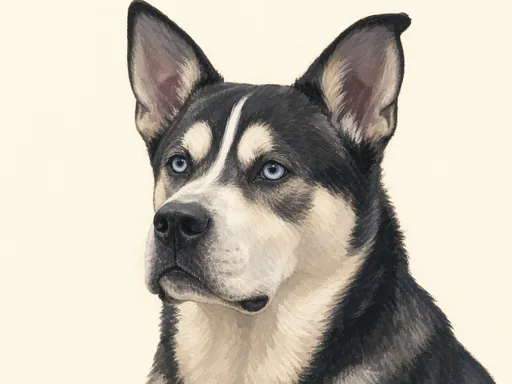
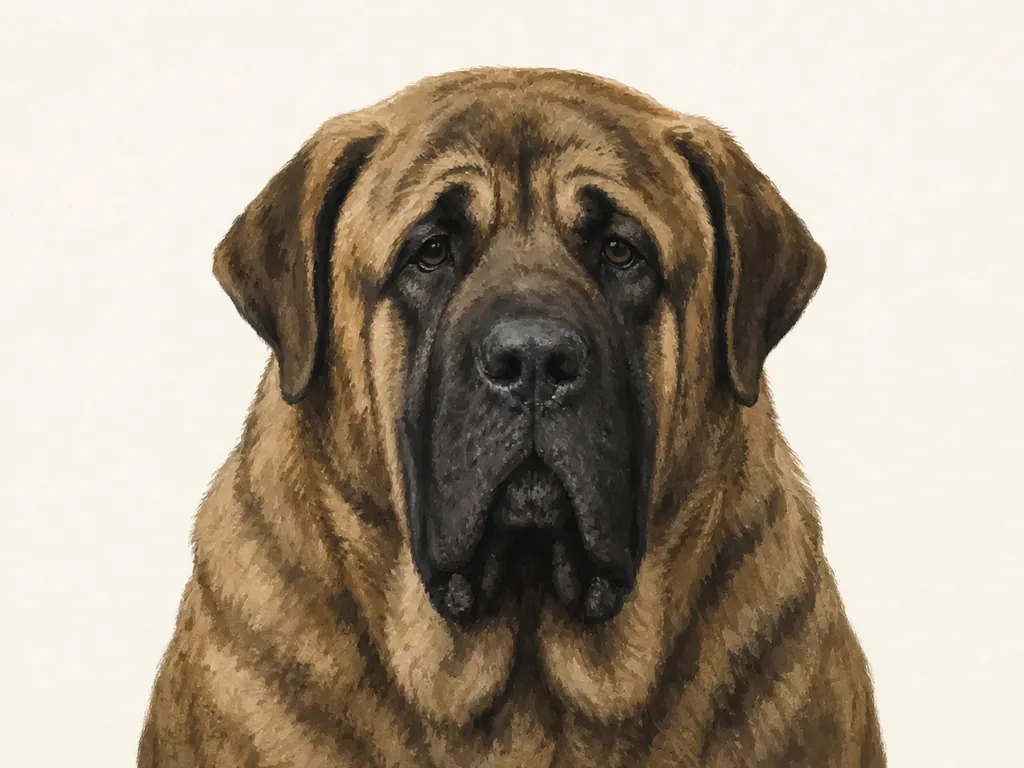
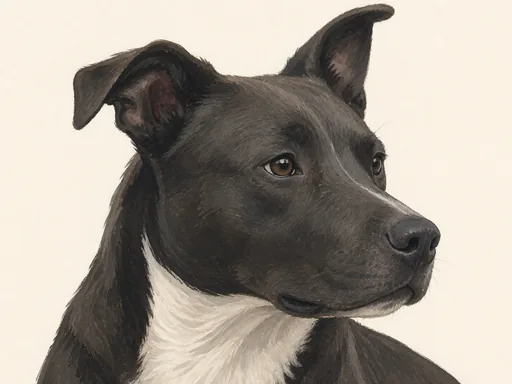
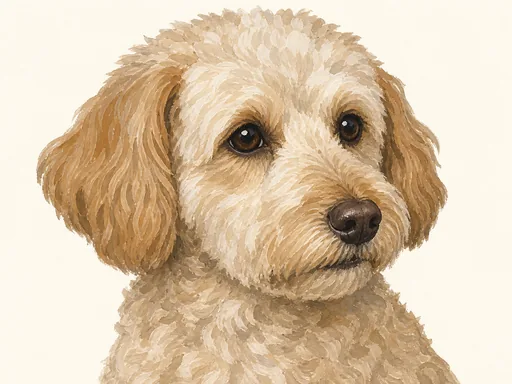
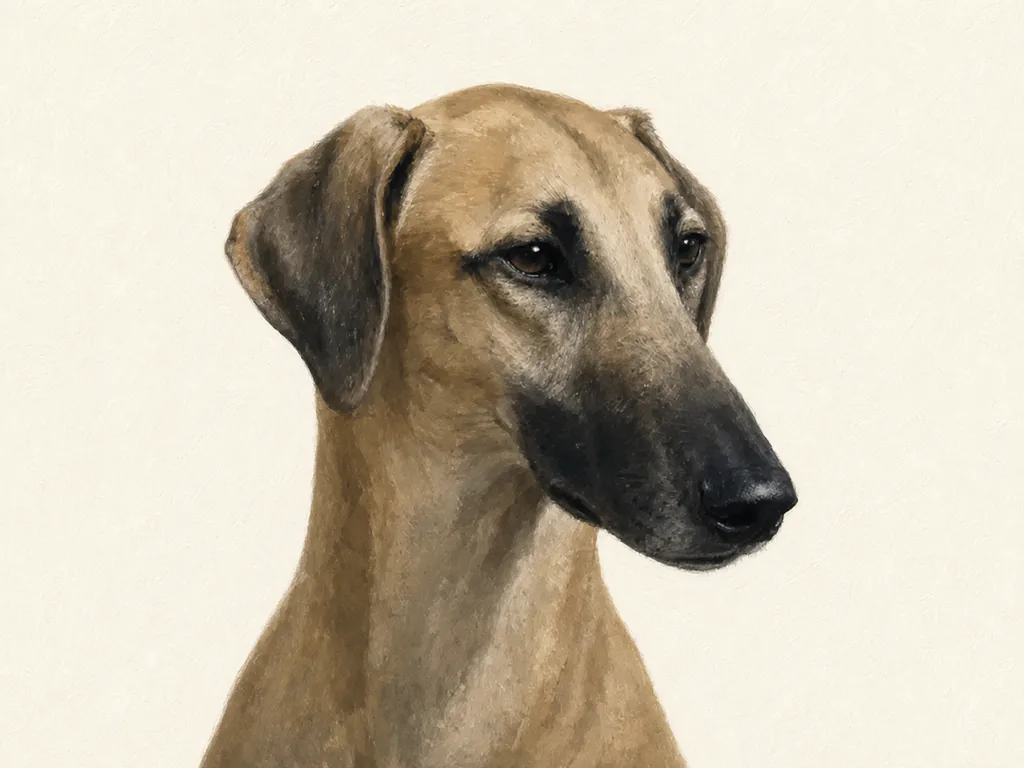
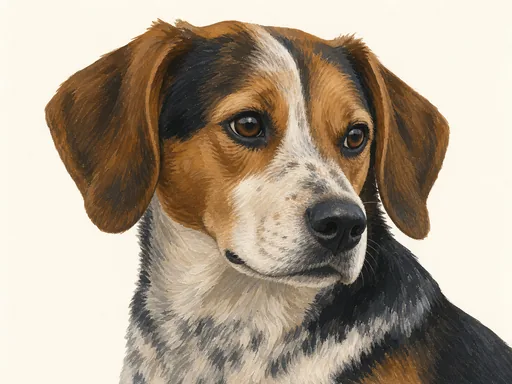
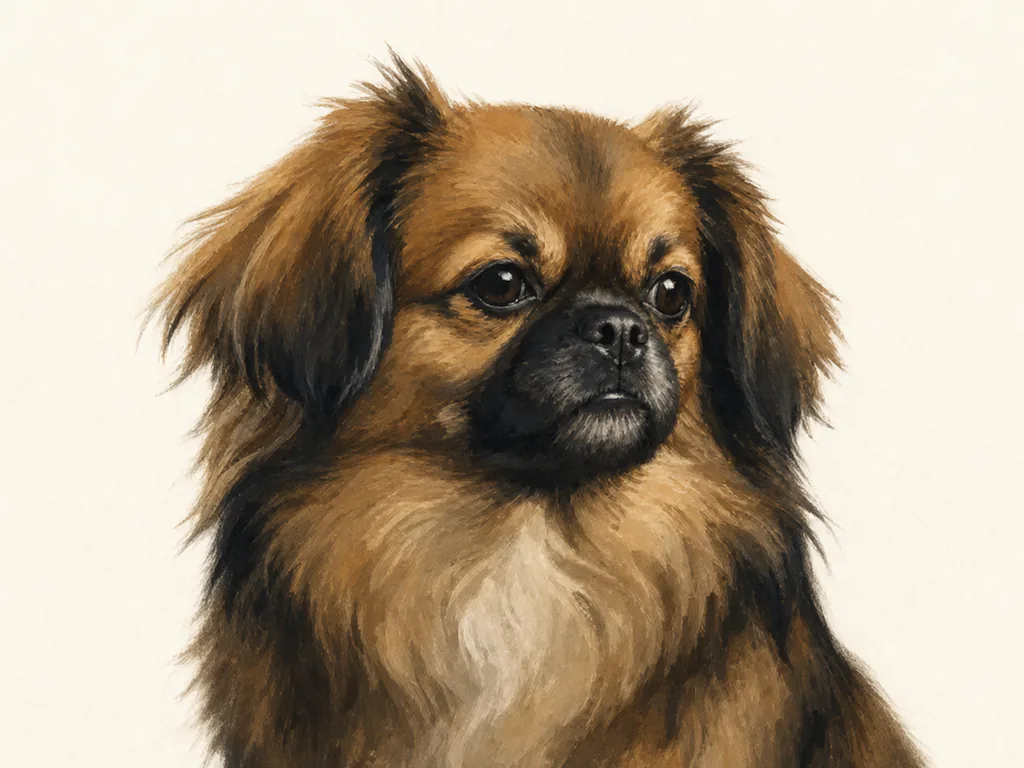
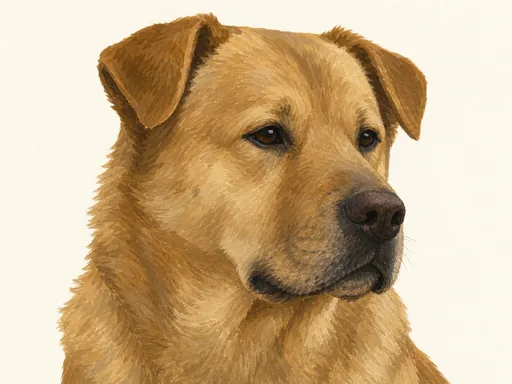
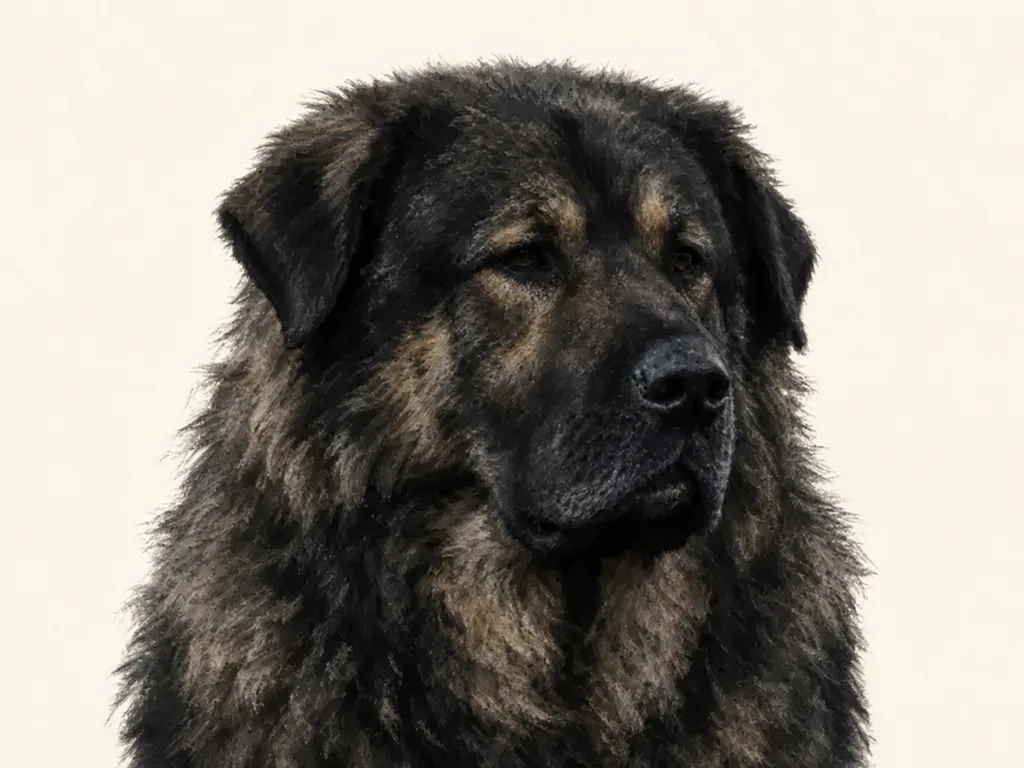
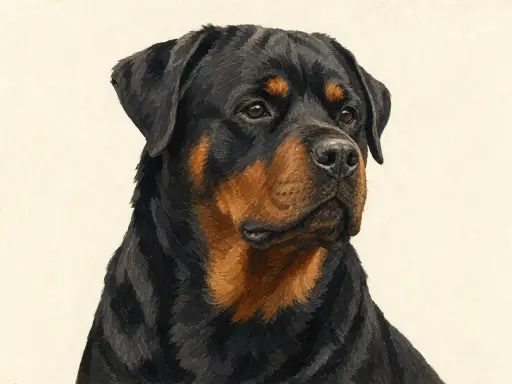
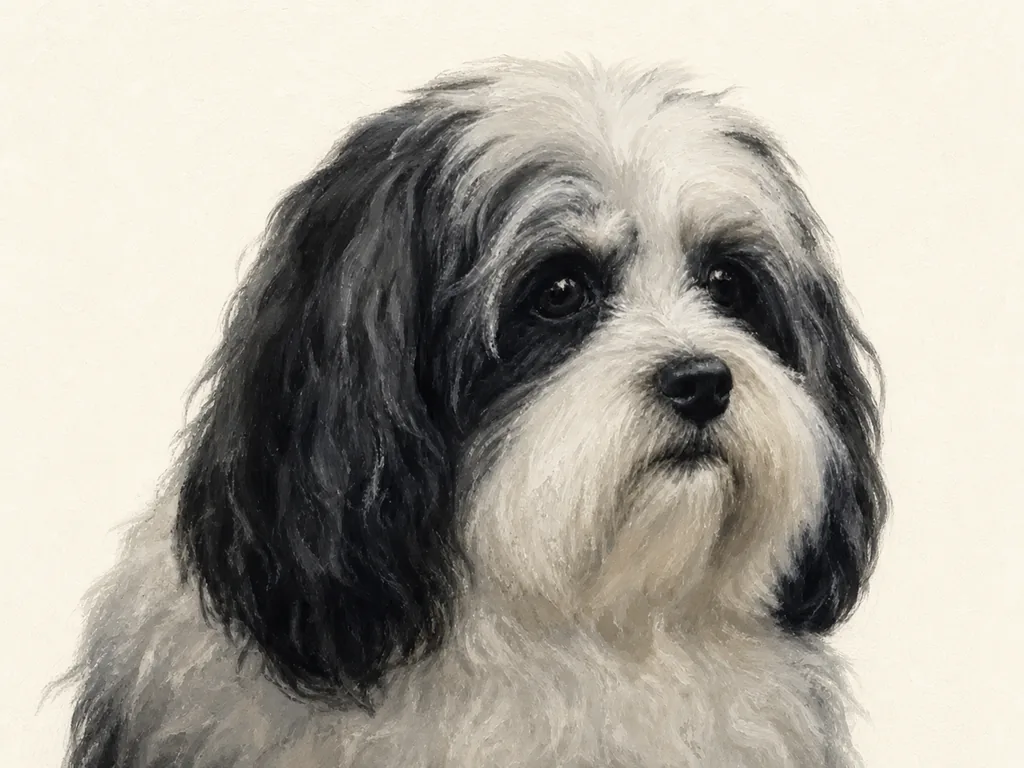
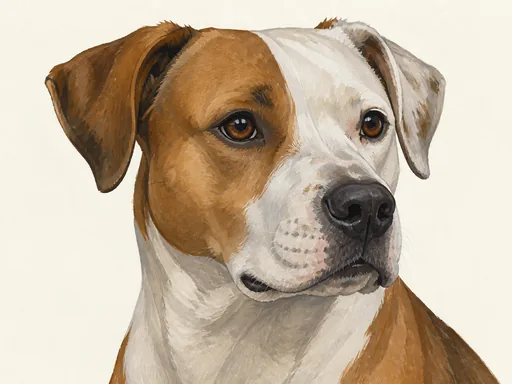
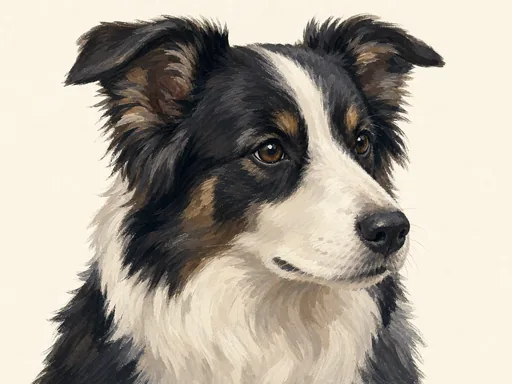
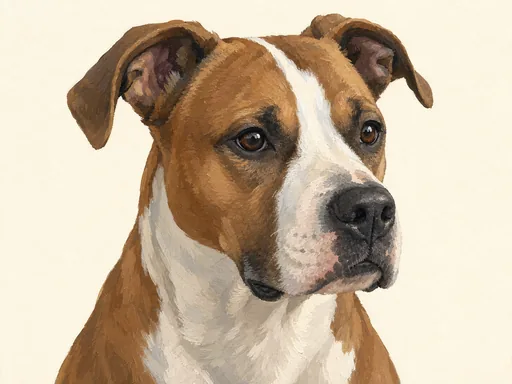
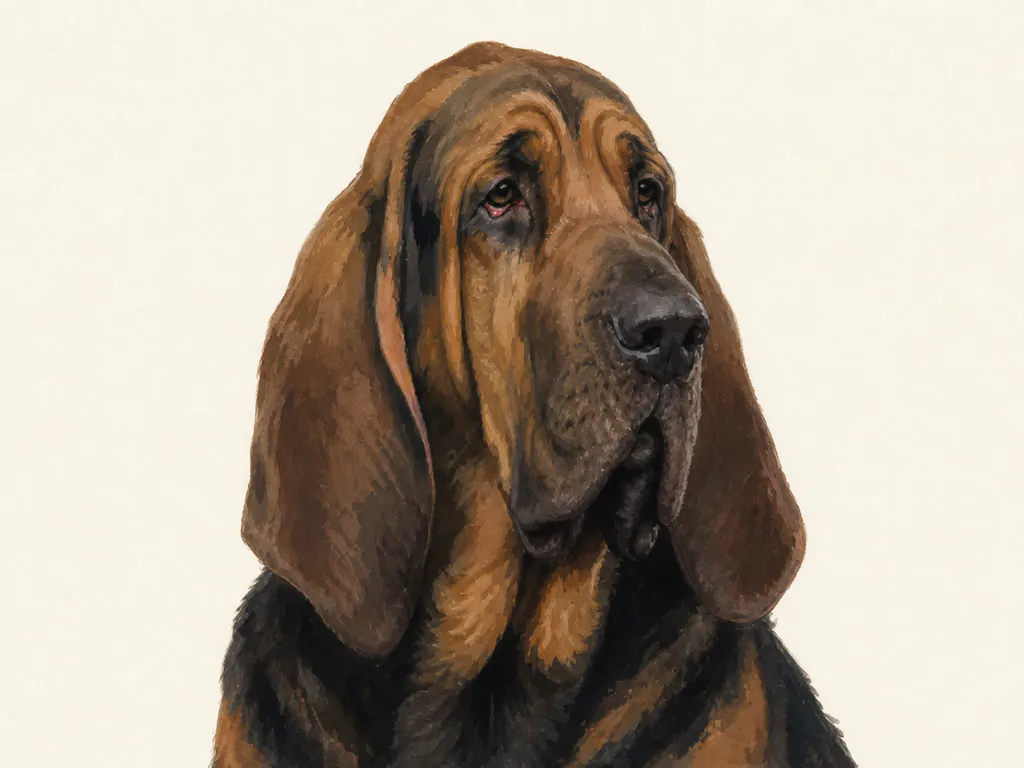
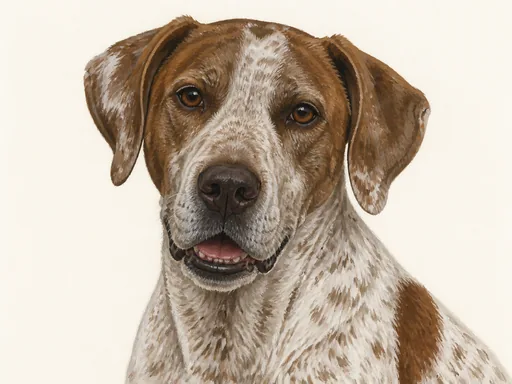
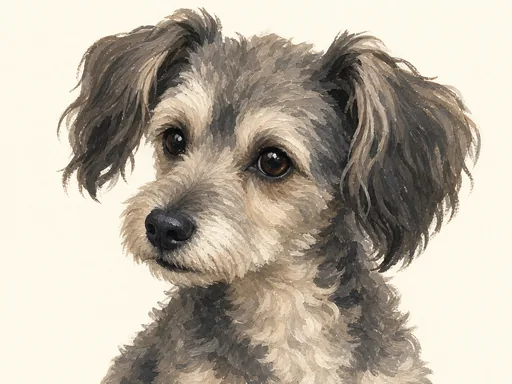
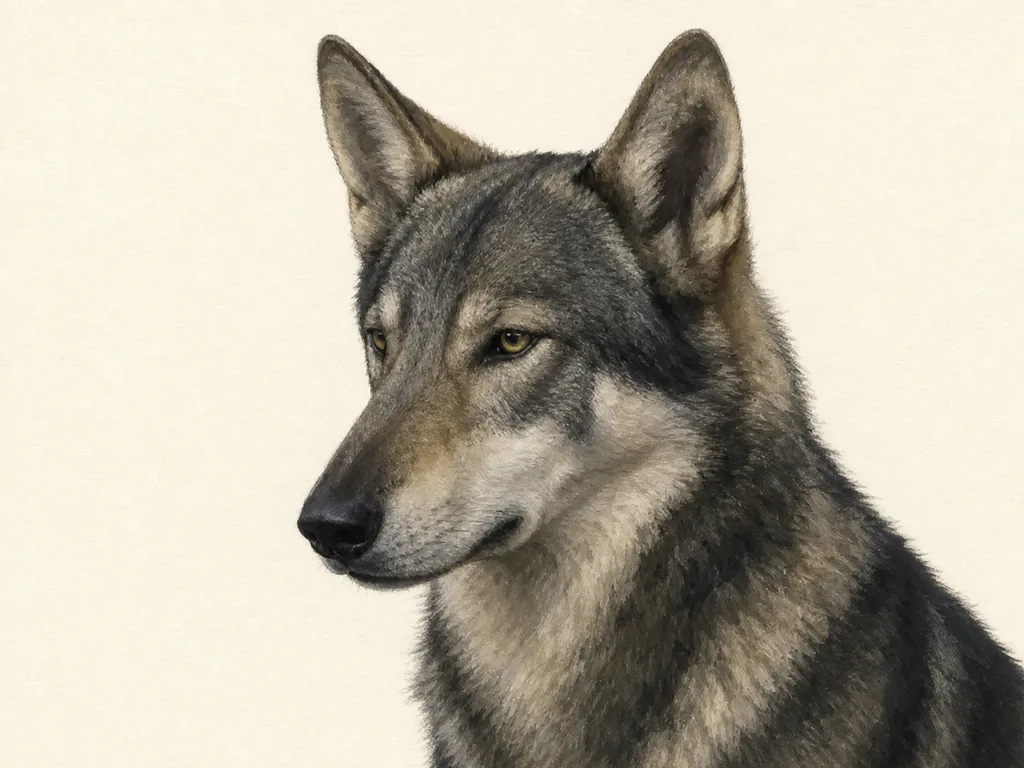
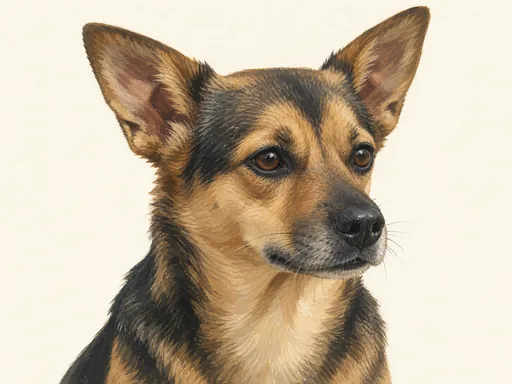
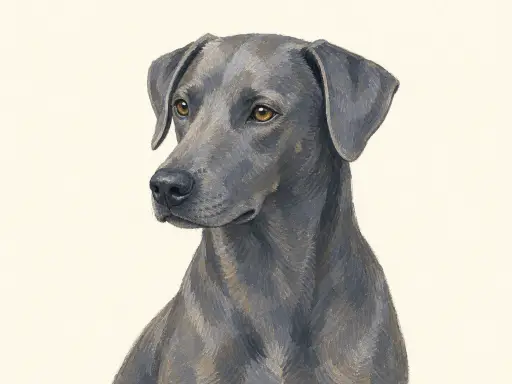
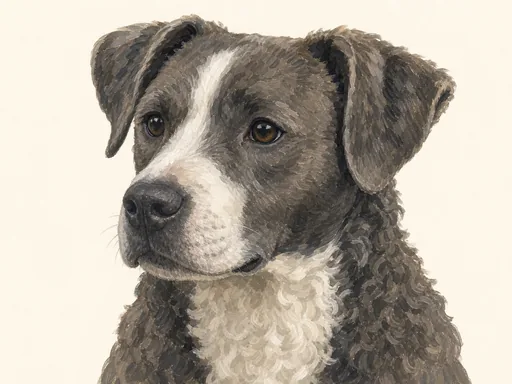
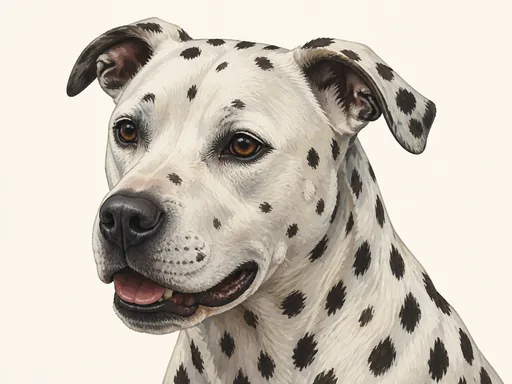
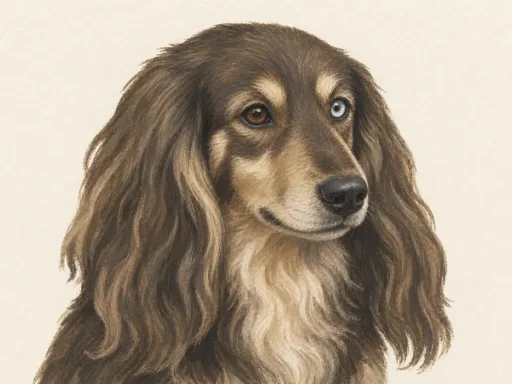
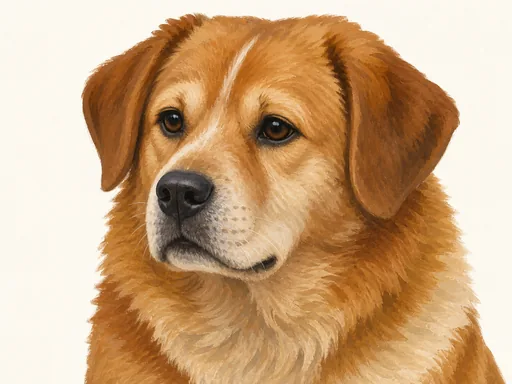
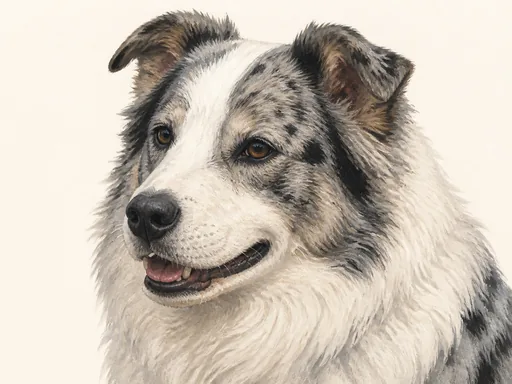
588 paintings so far — 326 single breeds and 262 blends of two or three. This band is a random handful of them, at the size a chart uses them.
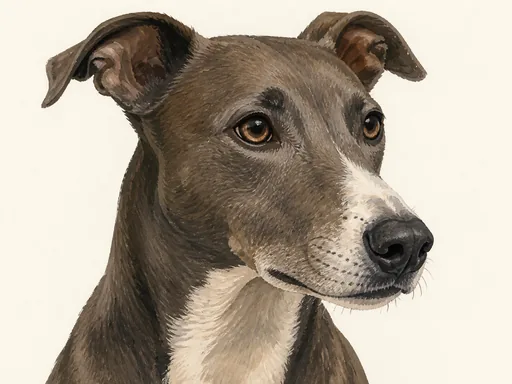
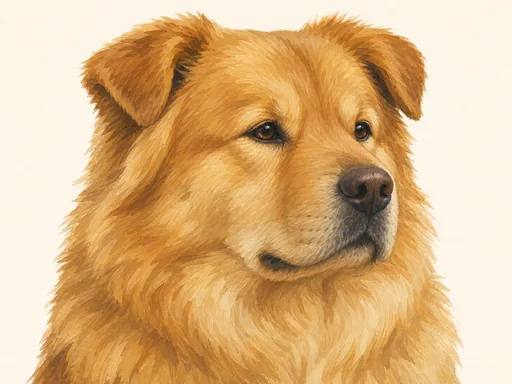
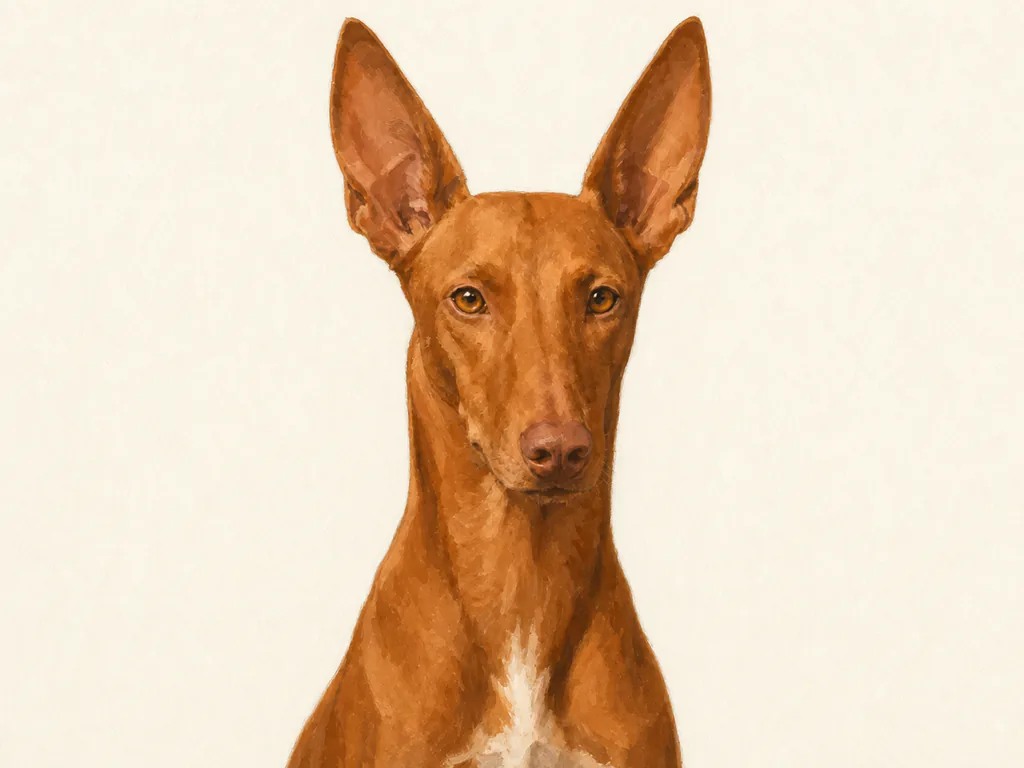
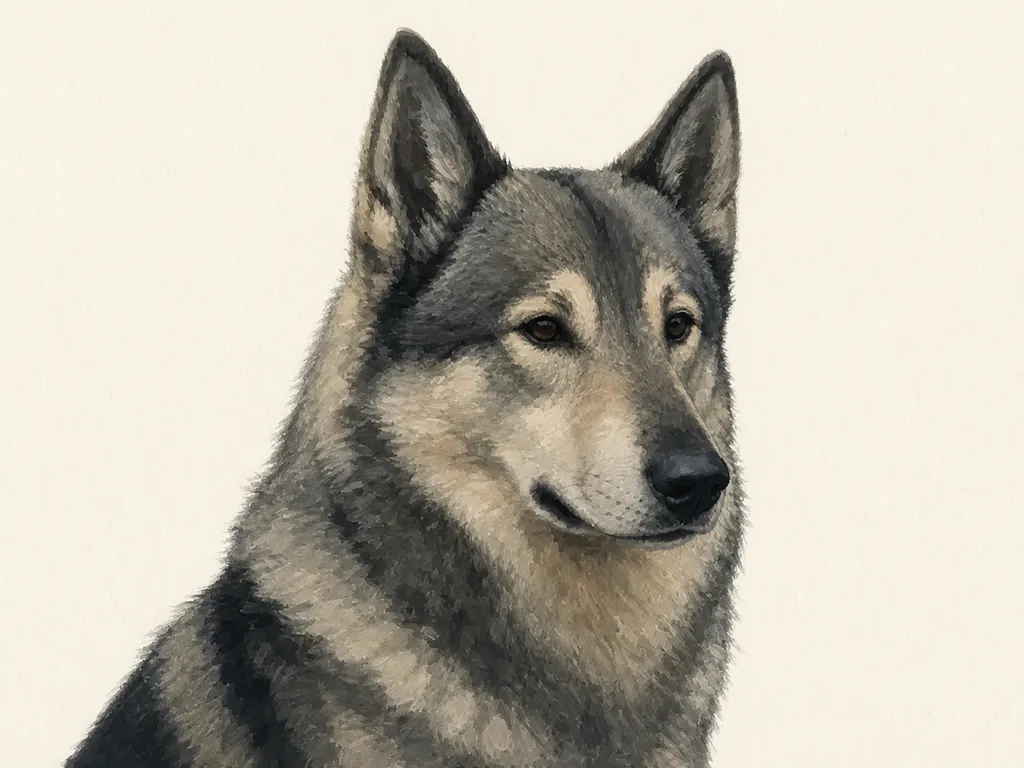
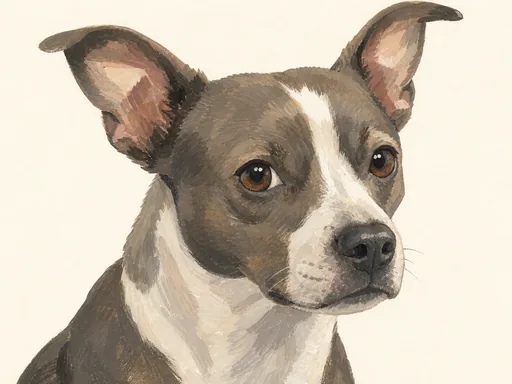
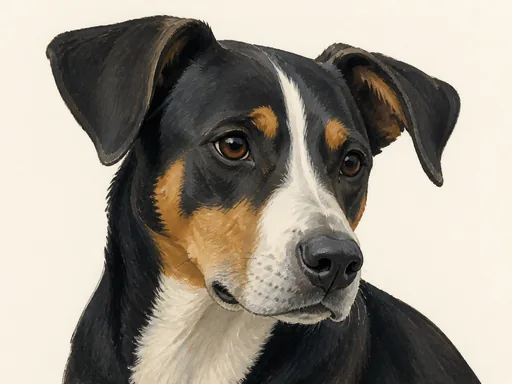
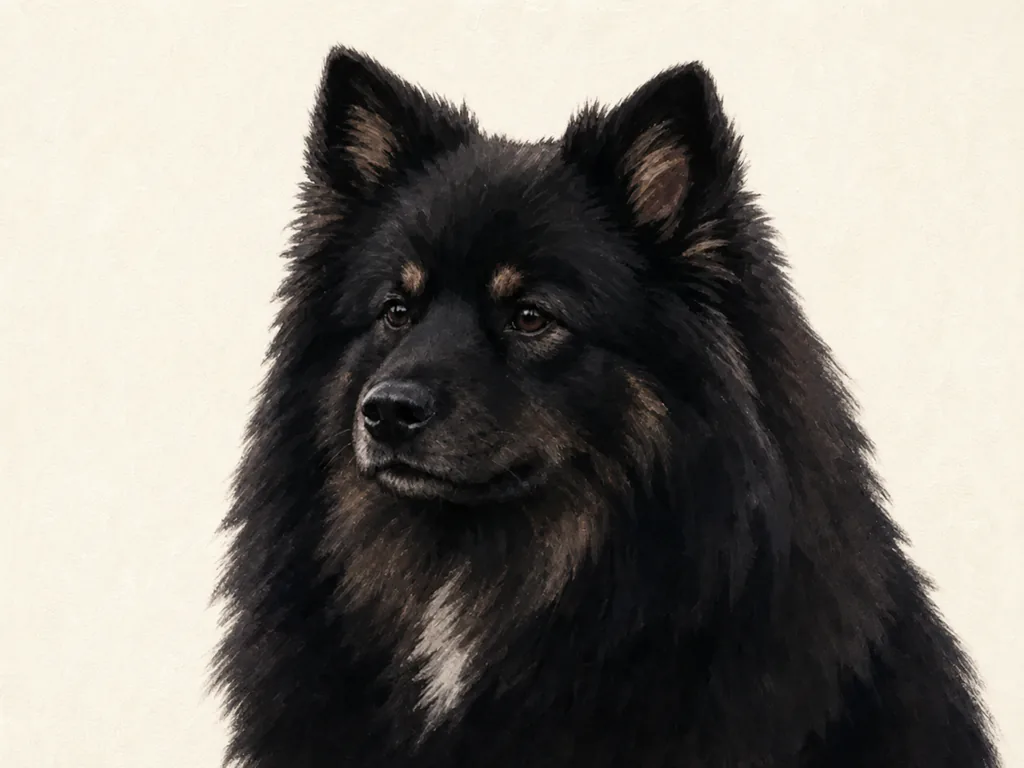
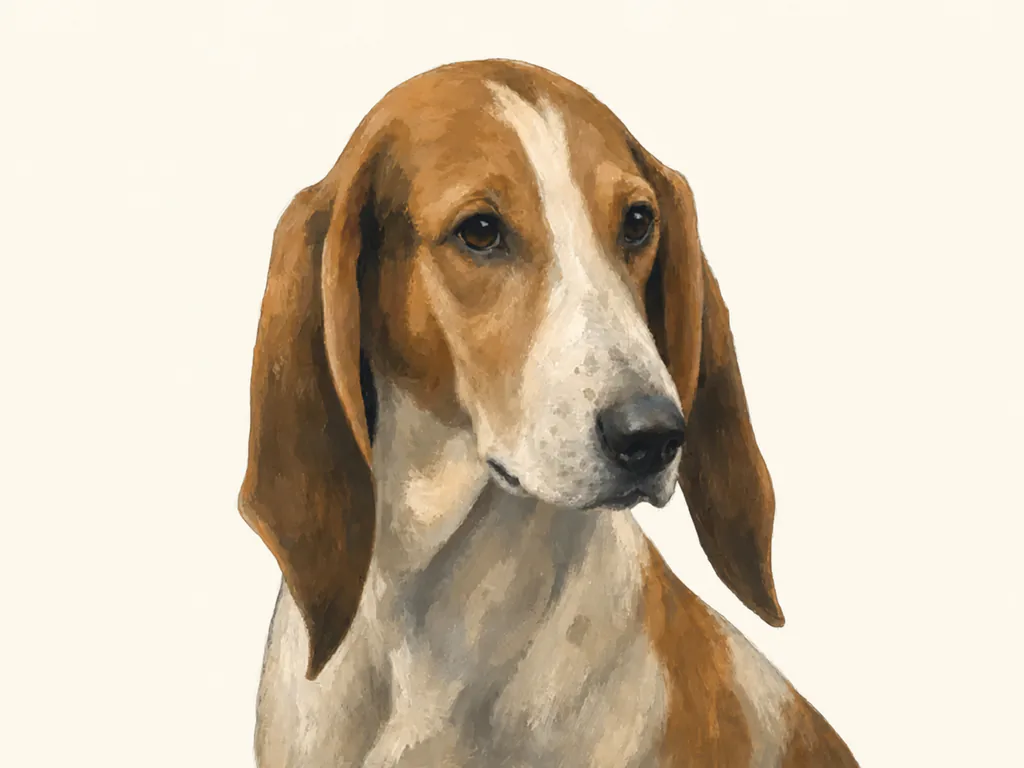
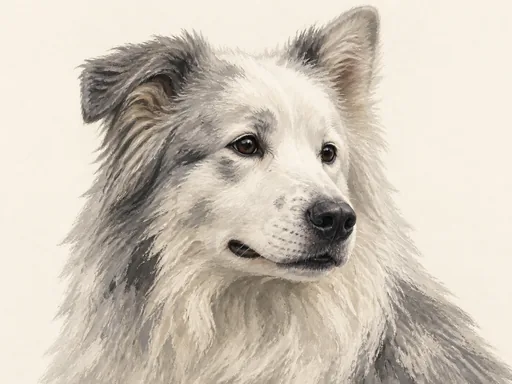
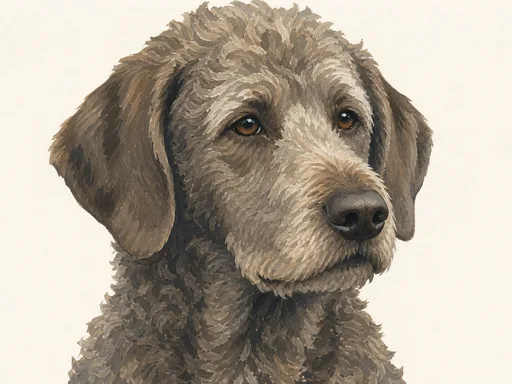
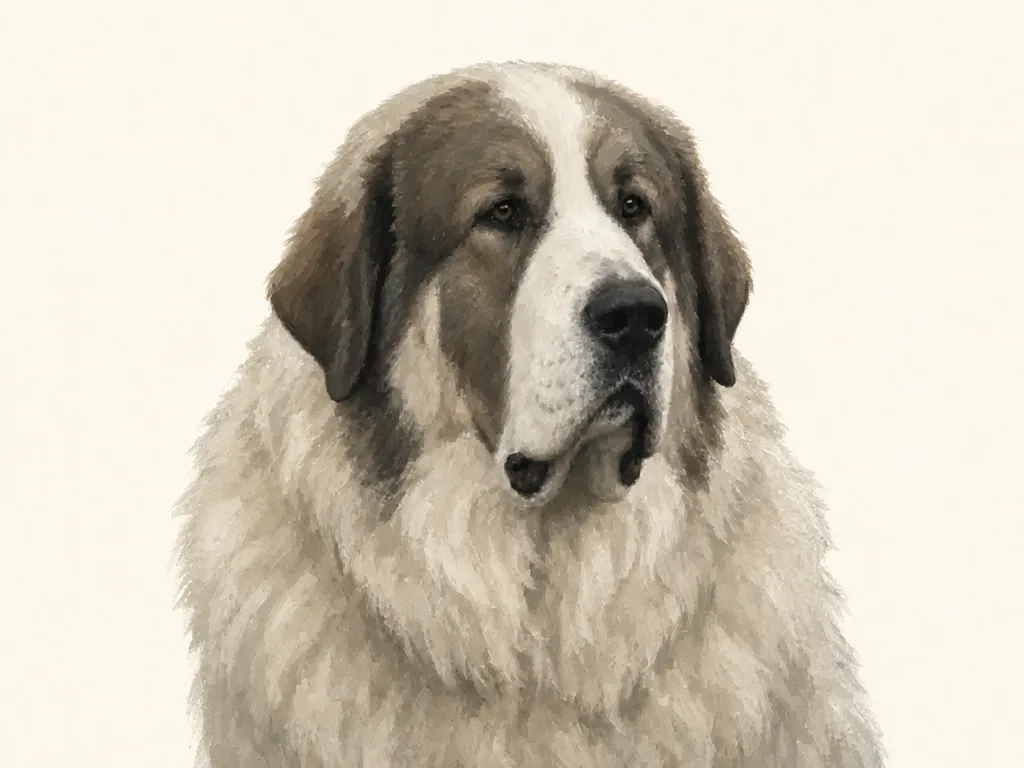
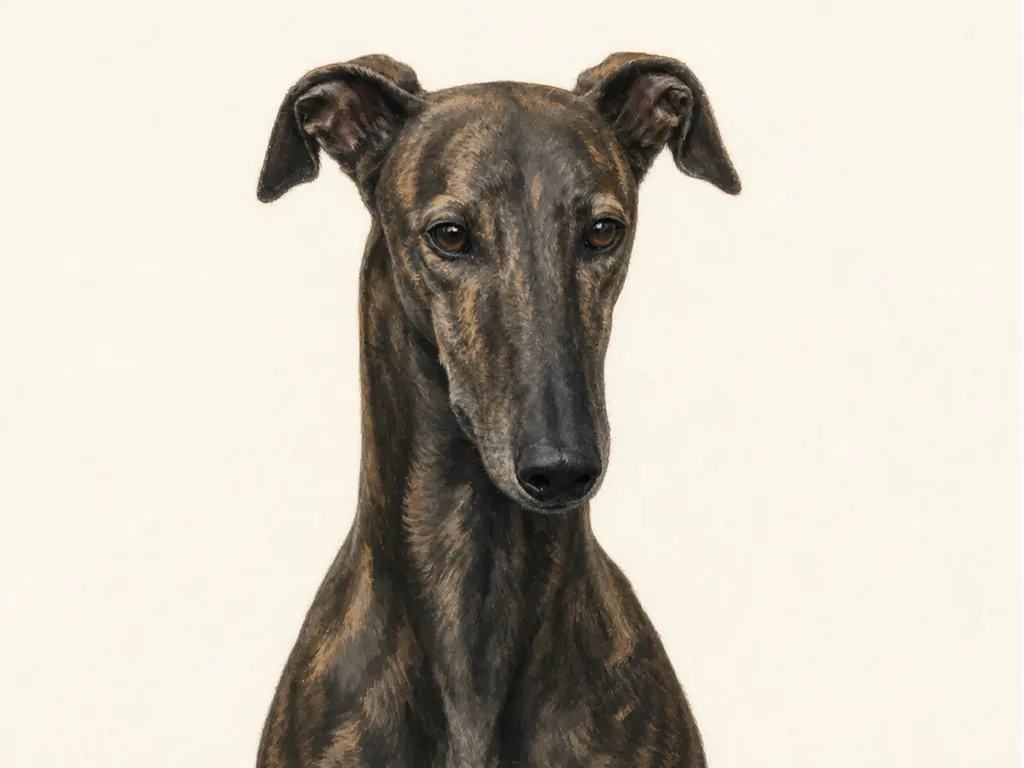
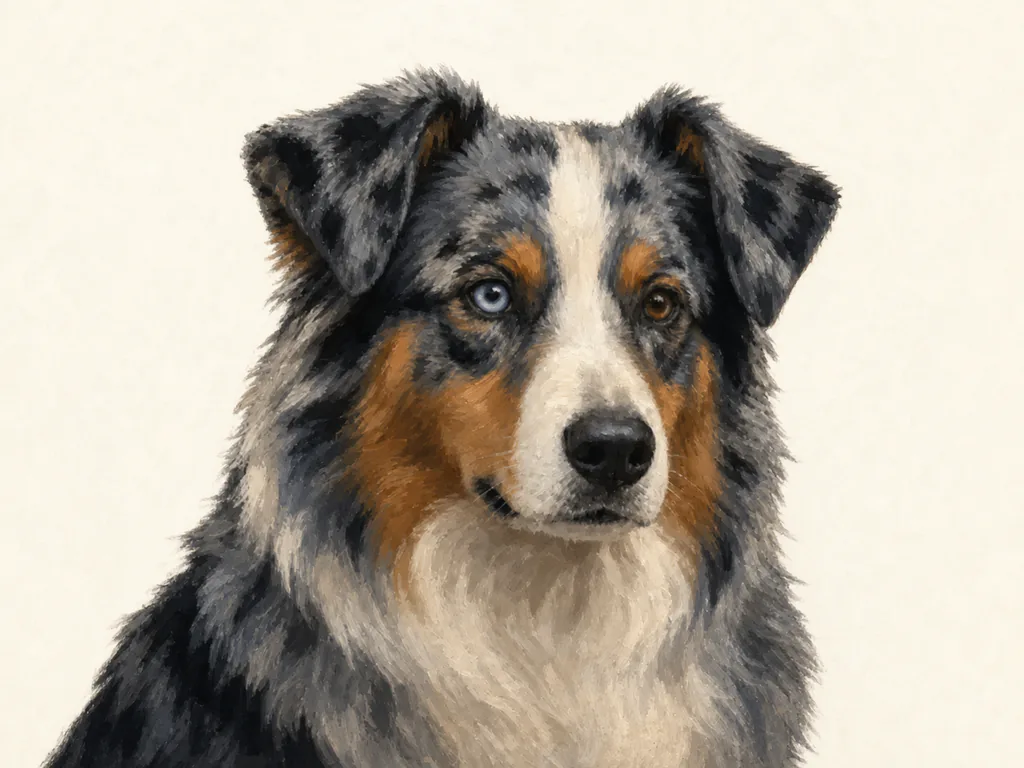
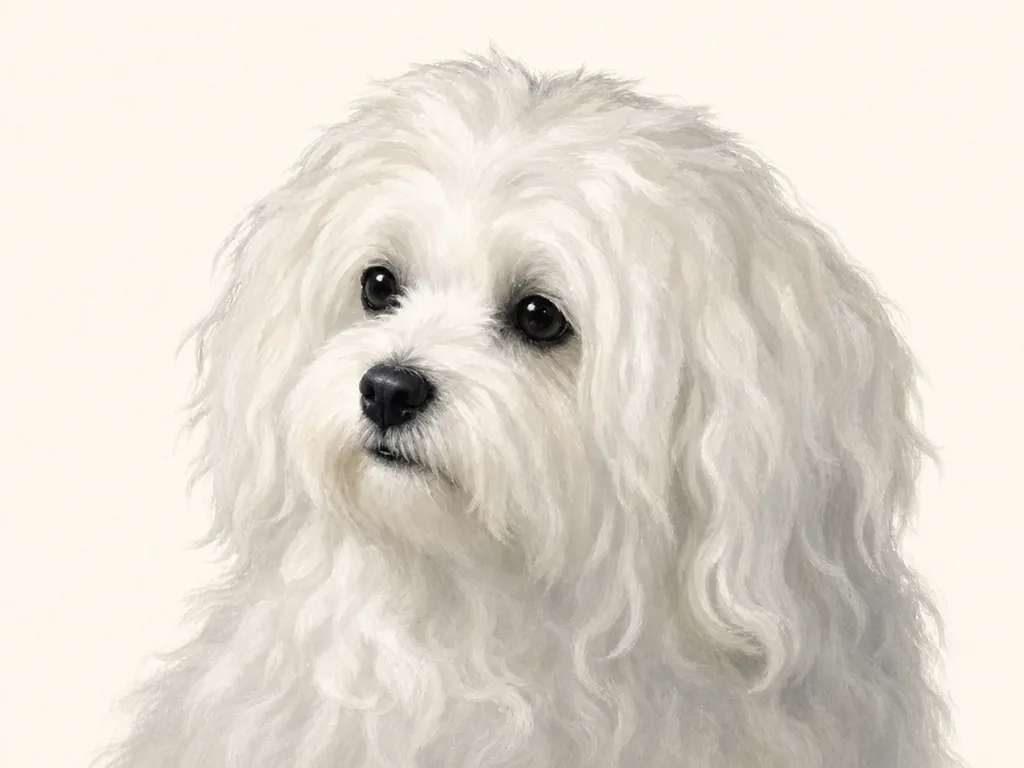
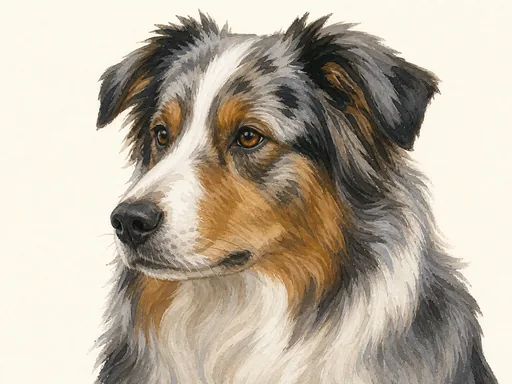
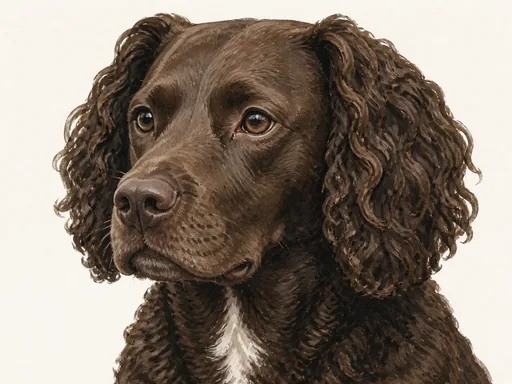
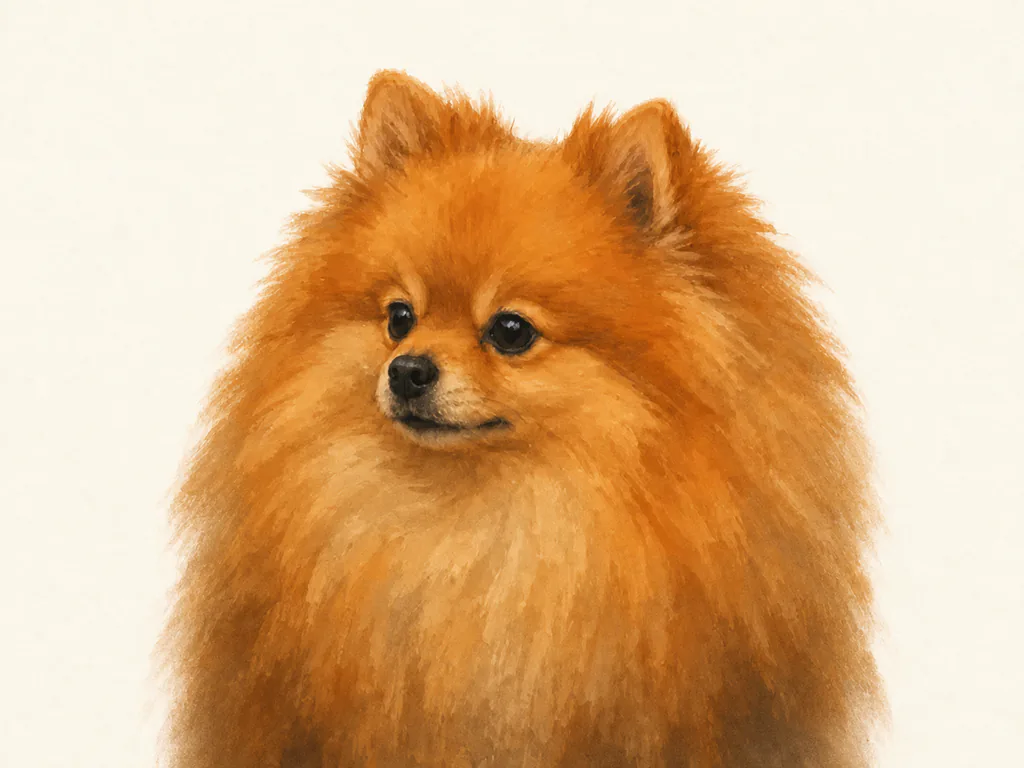
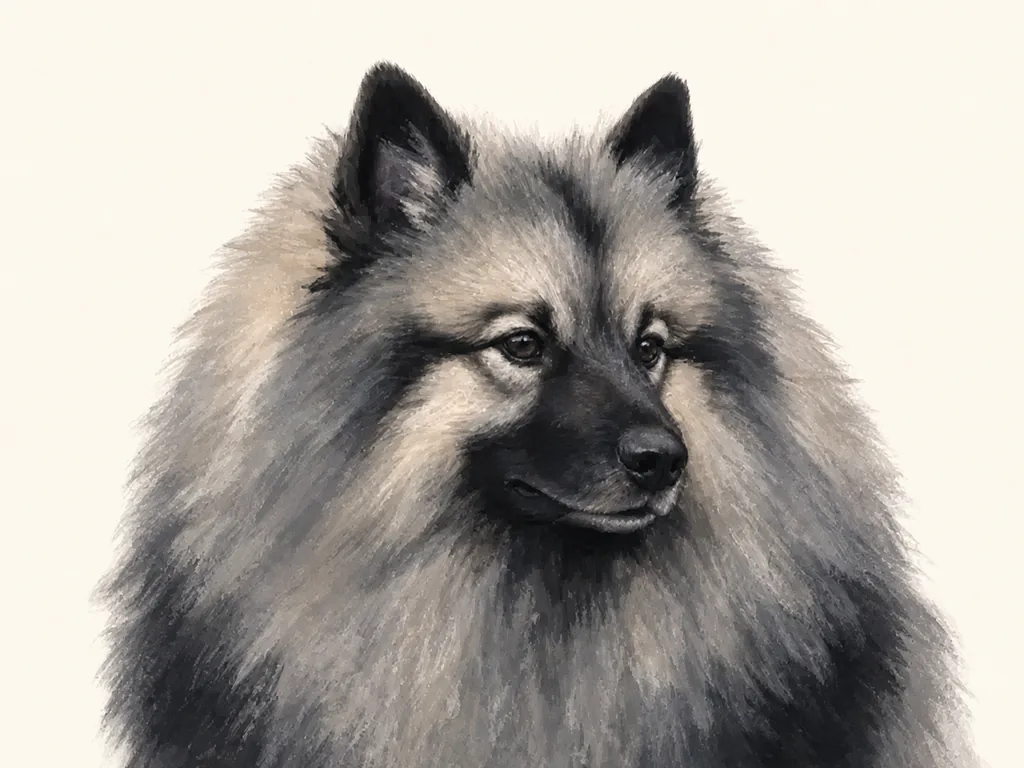
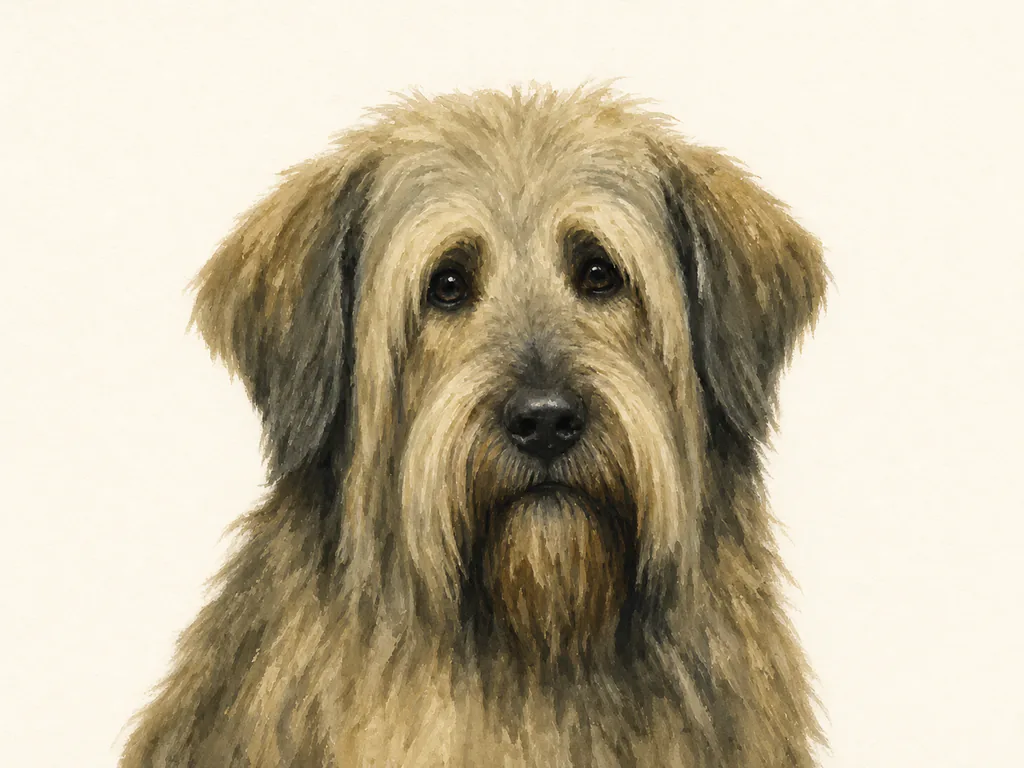
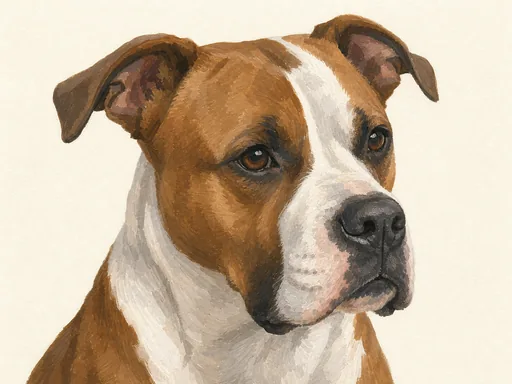
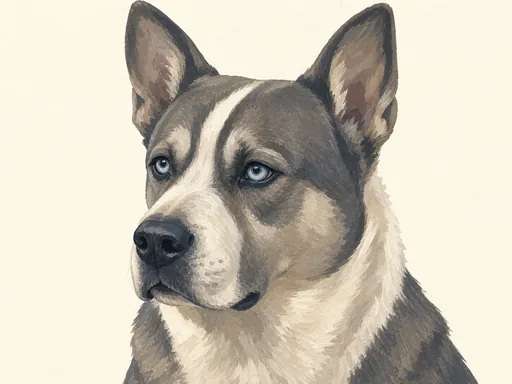
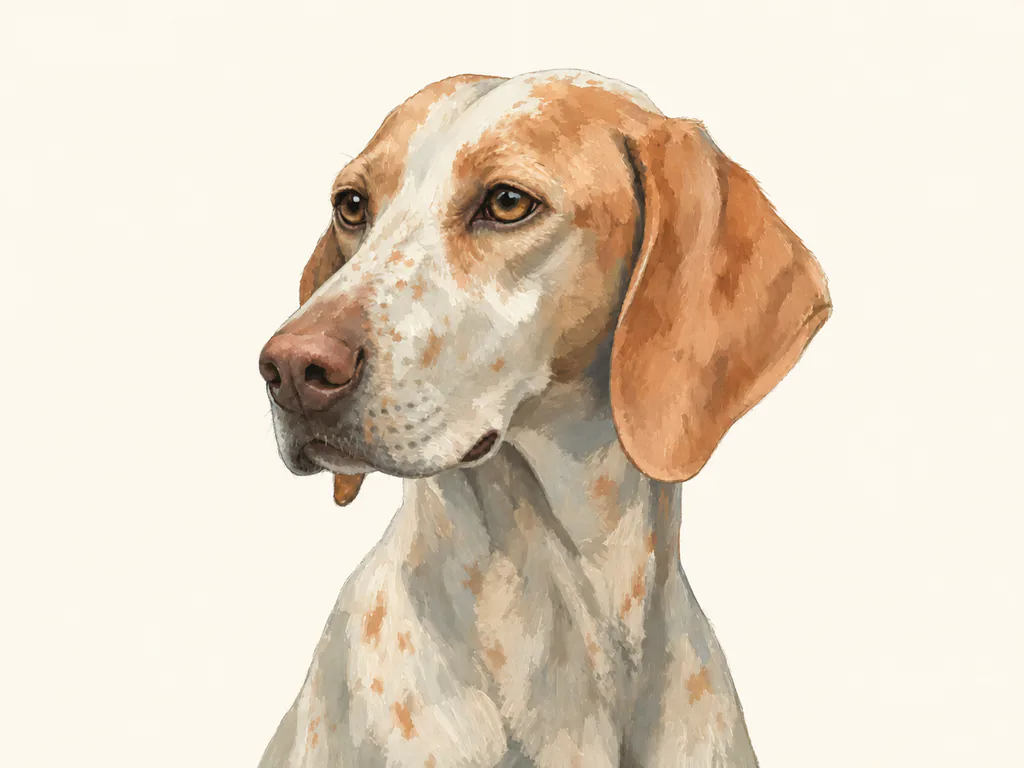
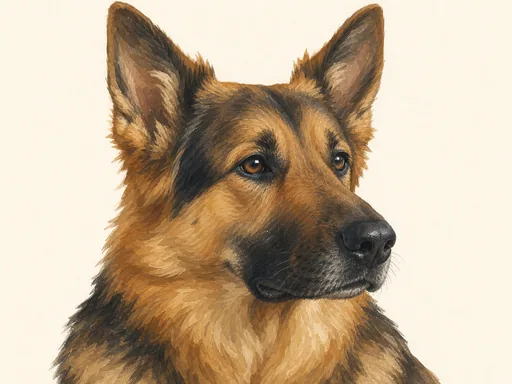
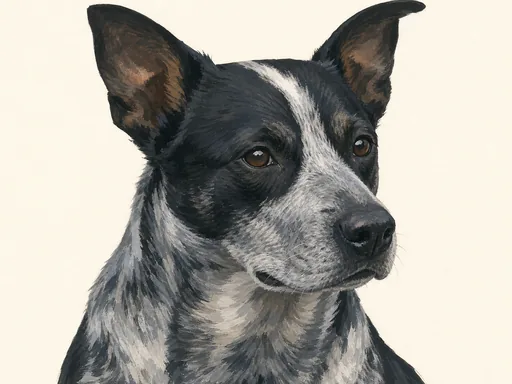
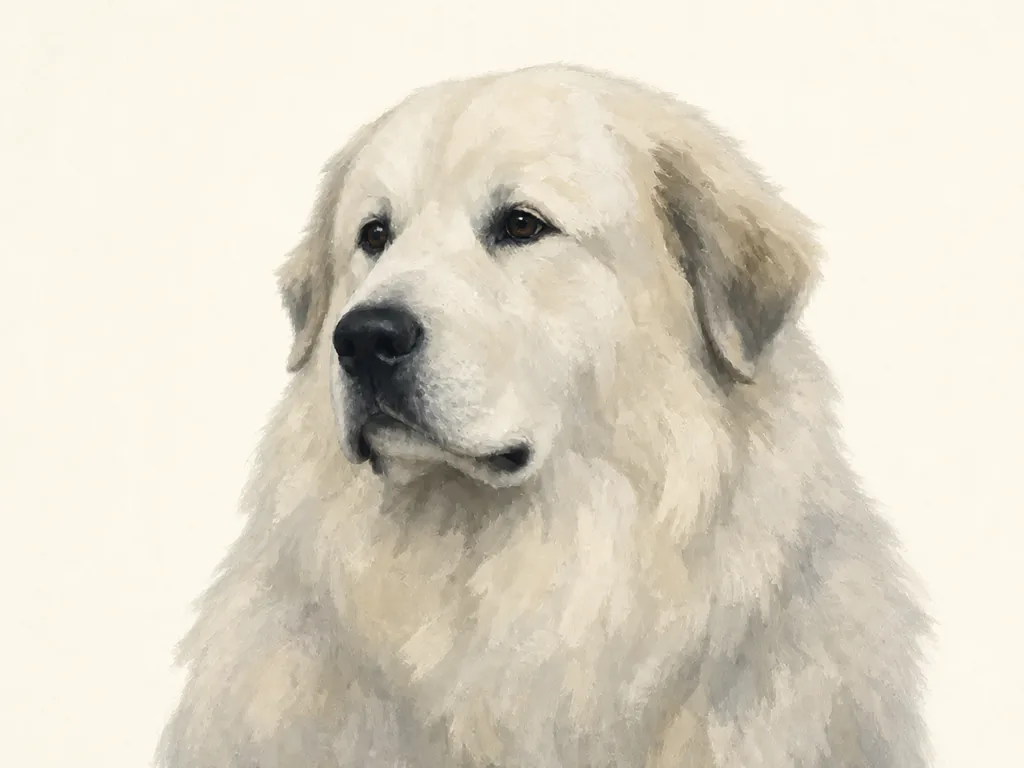
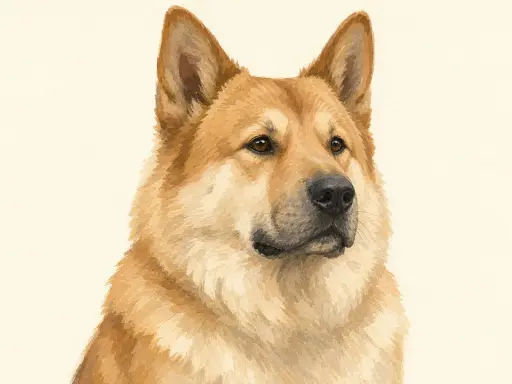
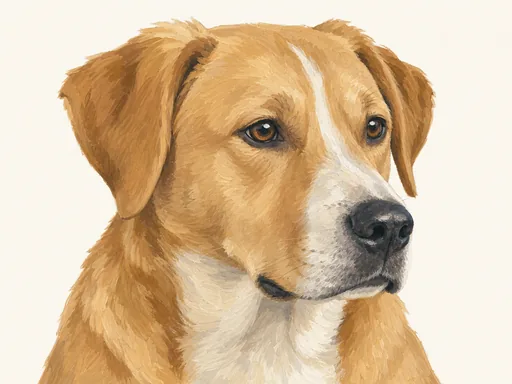
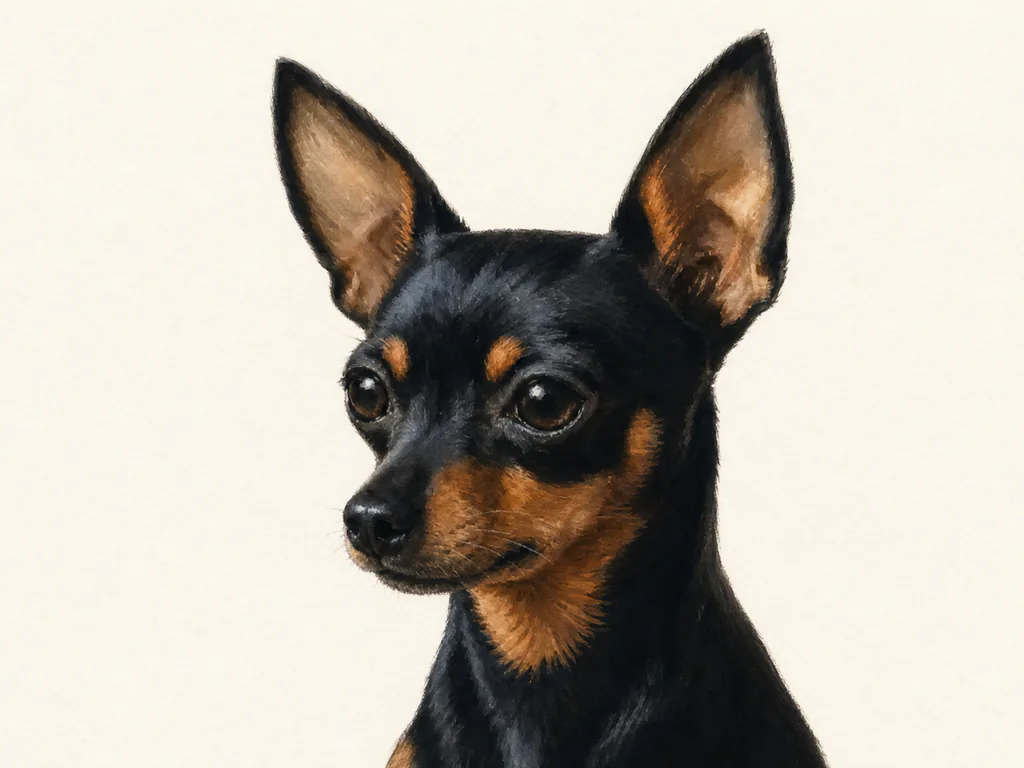
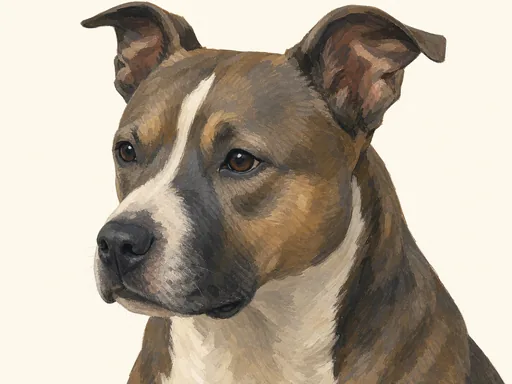
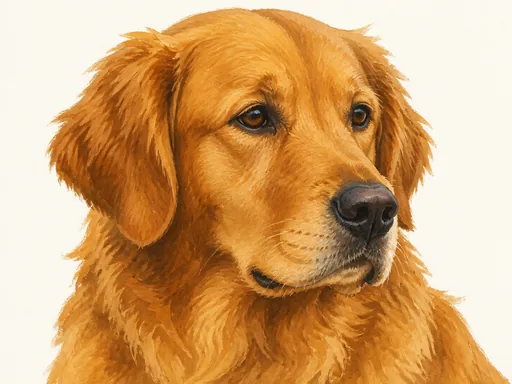
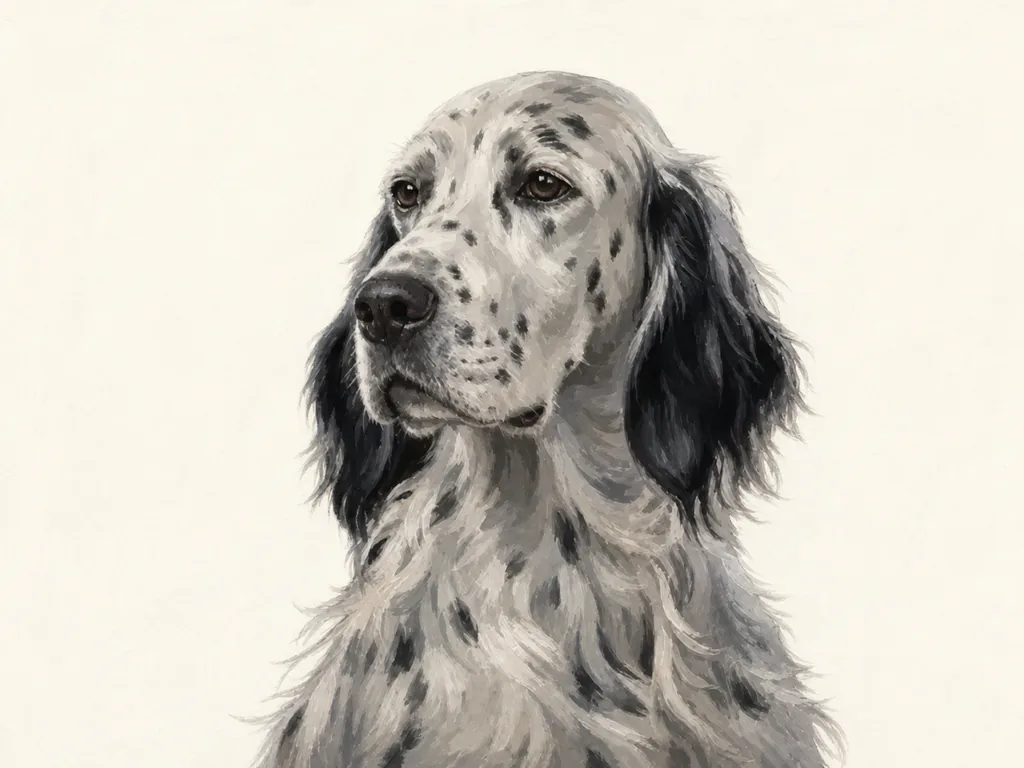
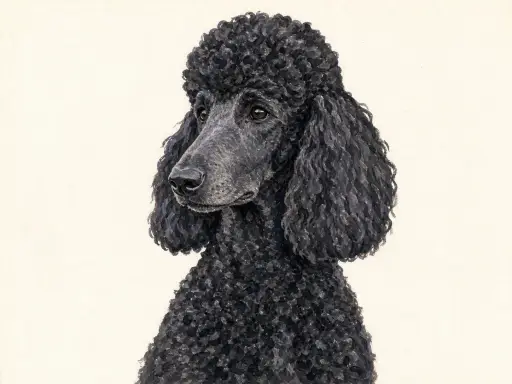
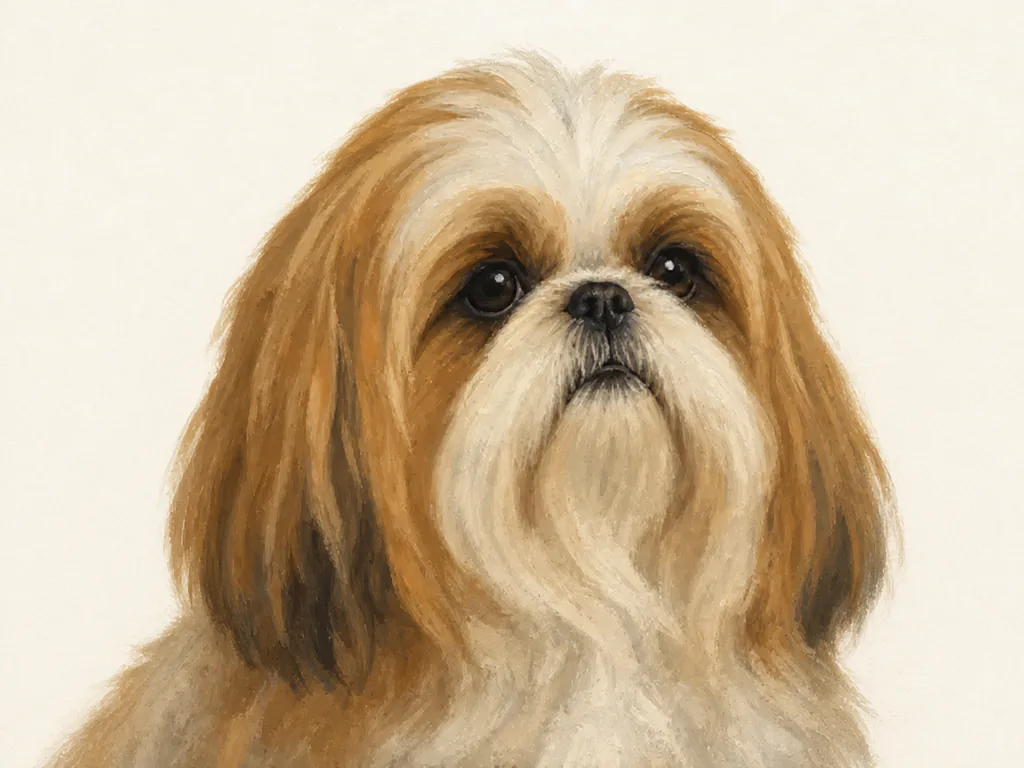
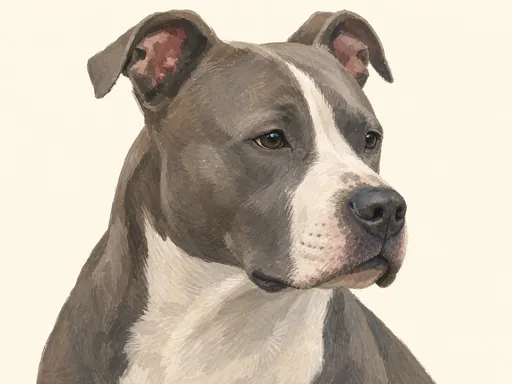
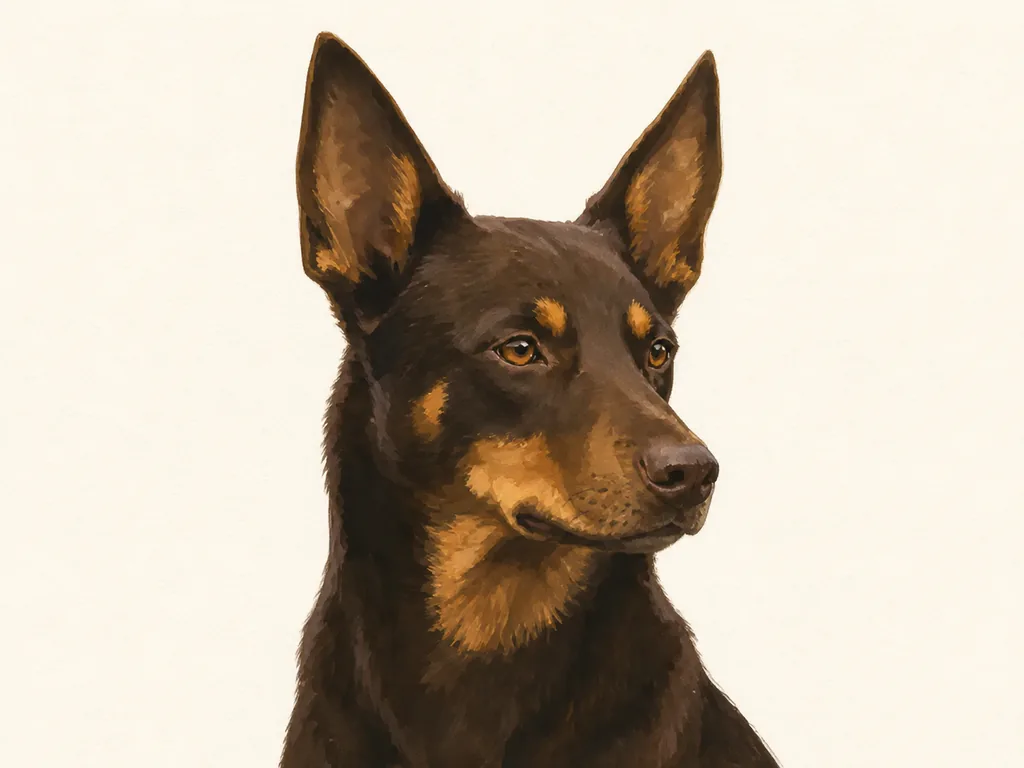
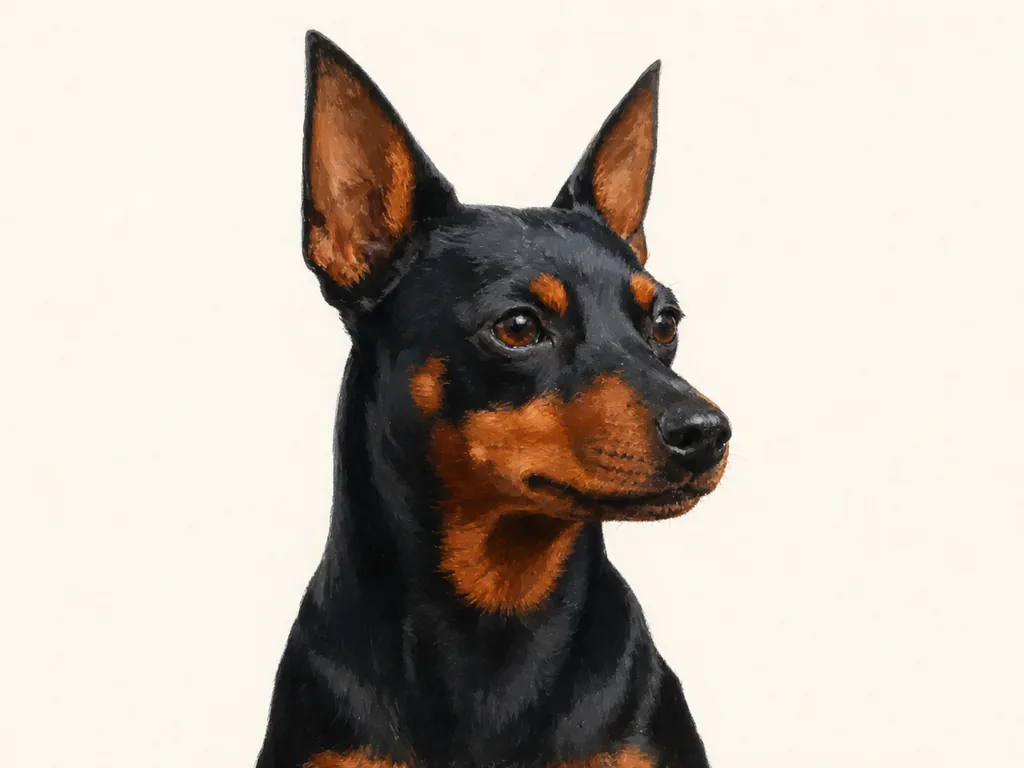
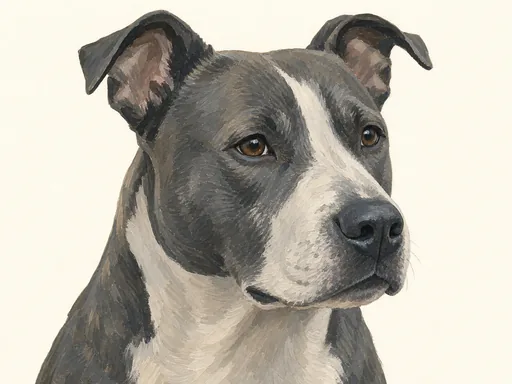
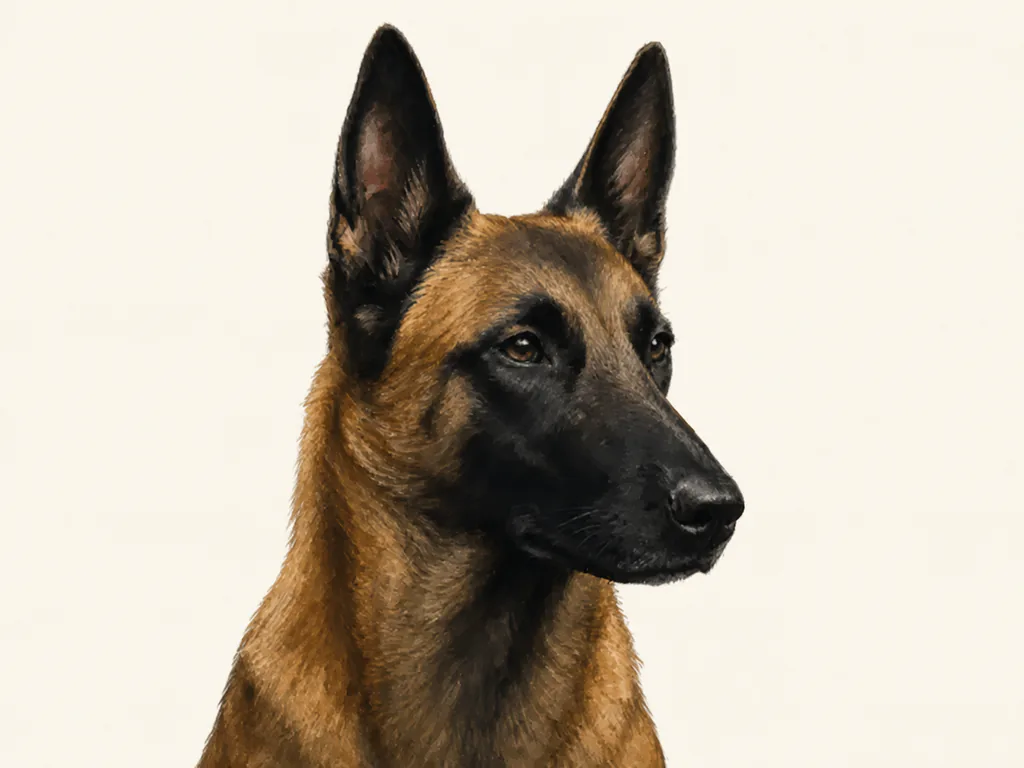
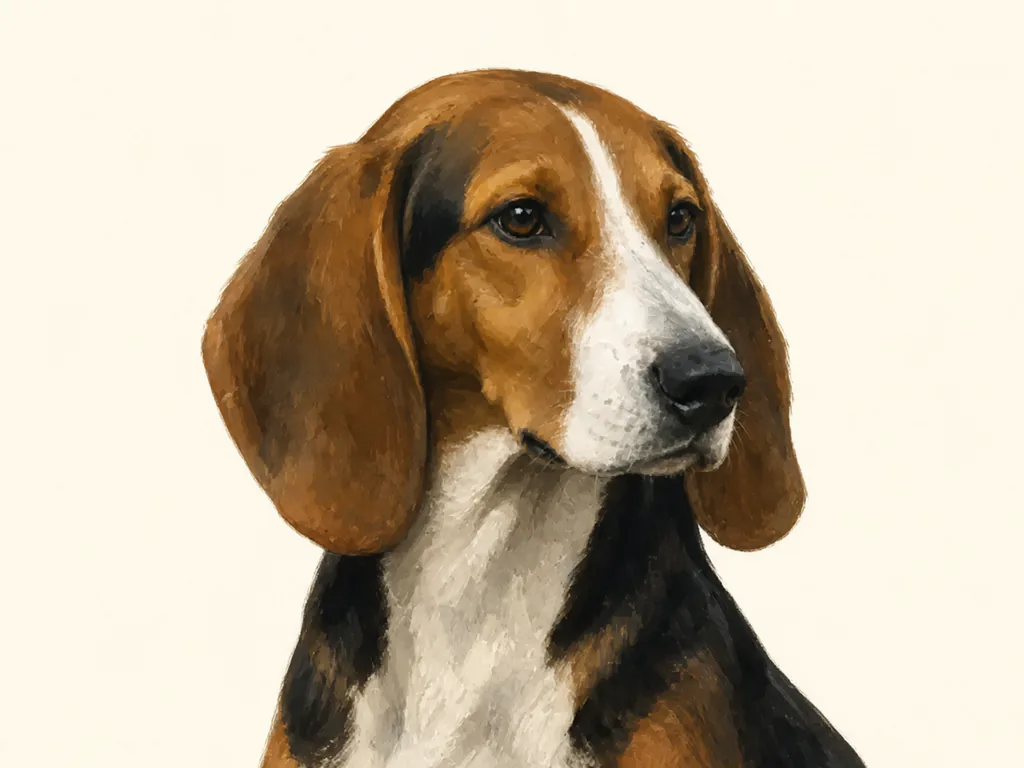
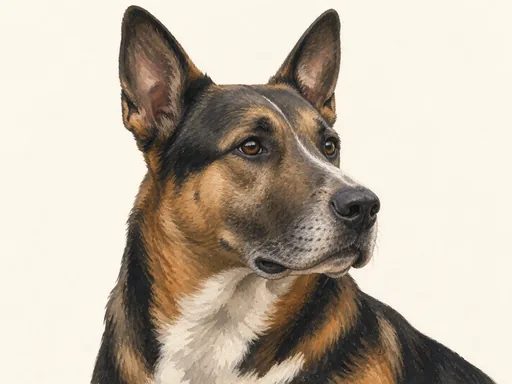
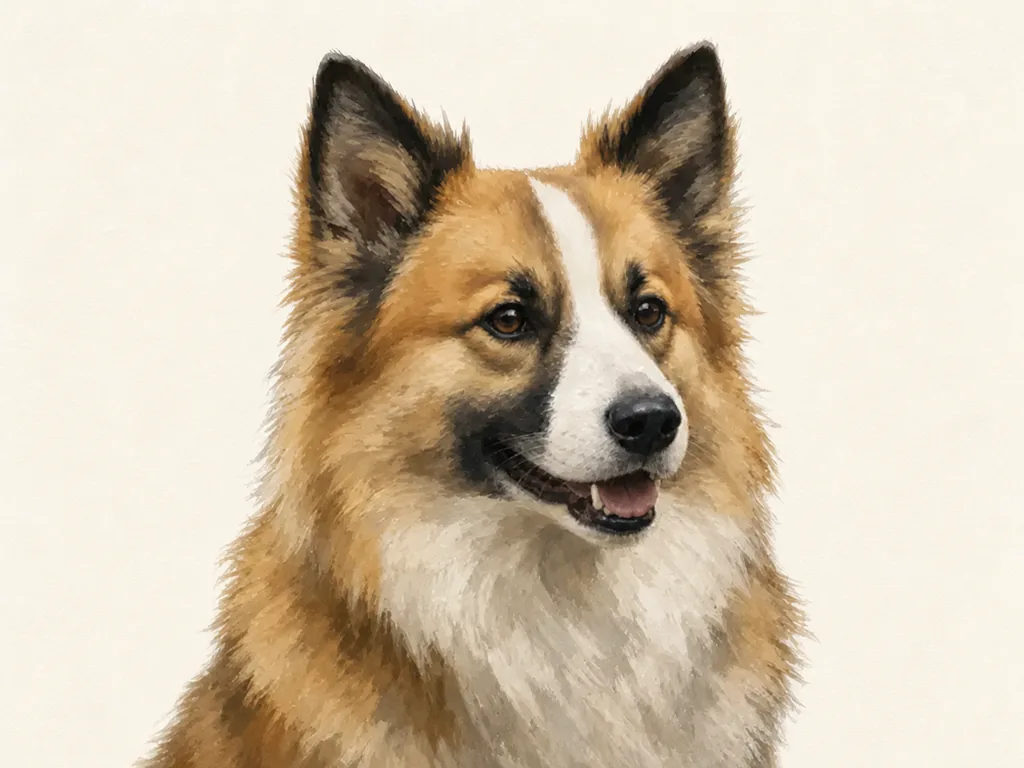
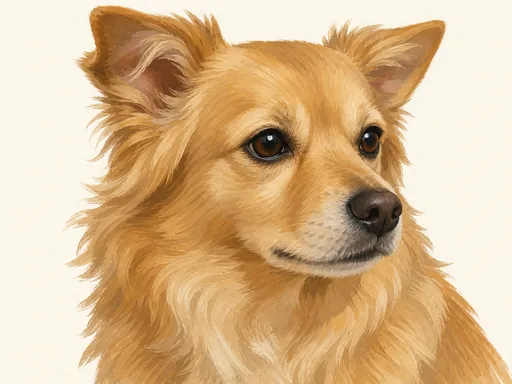
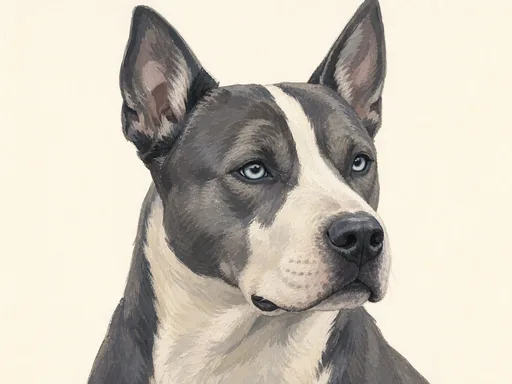
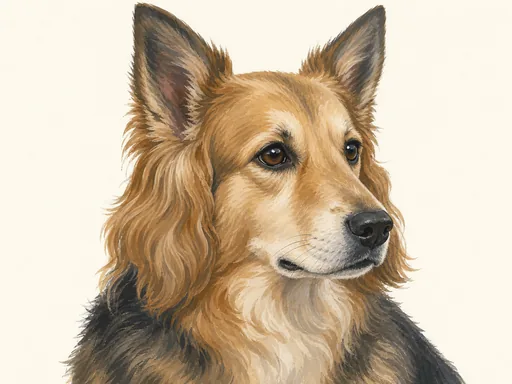
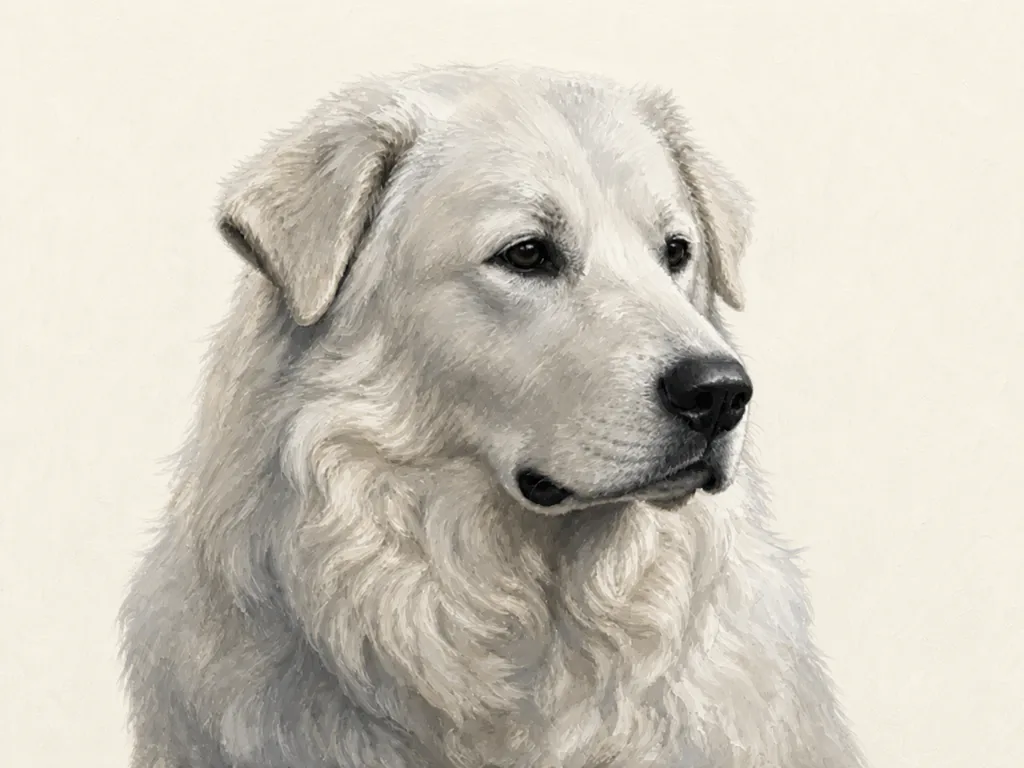
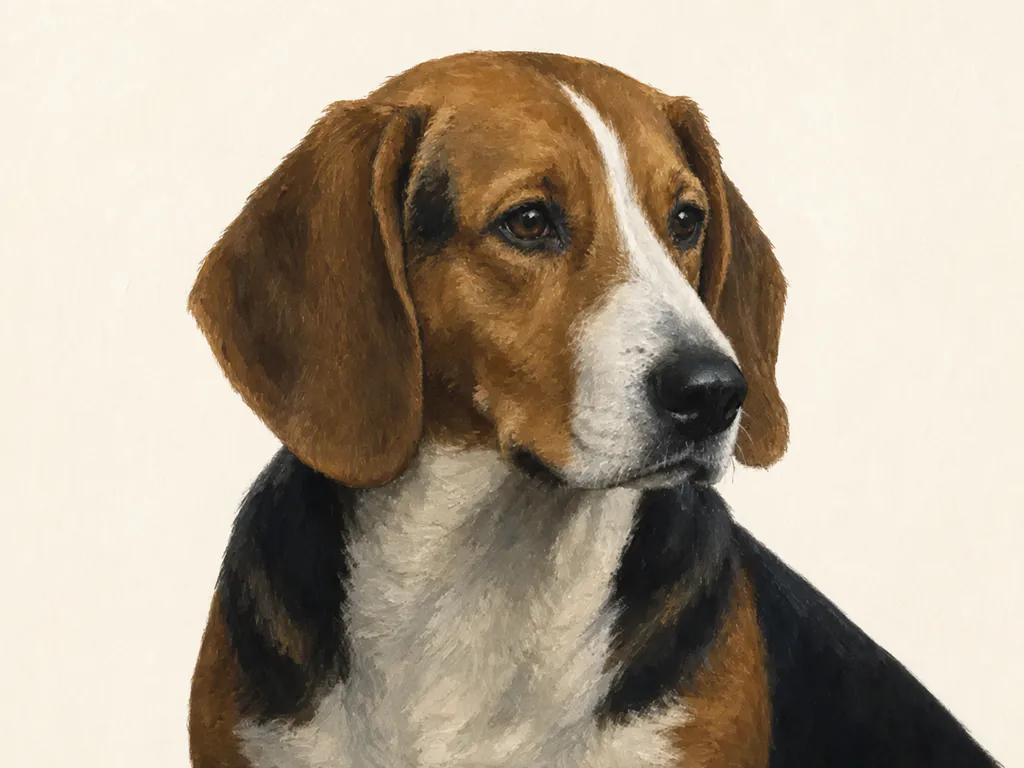
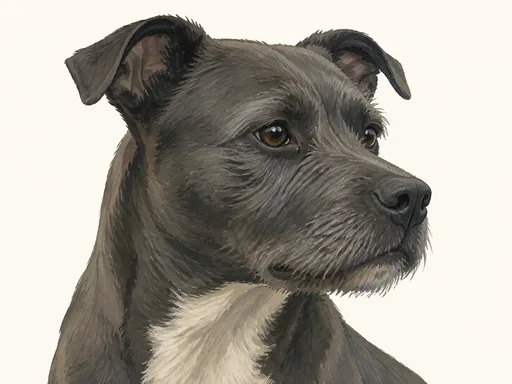
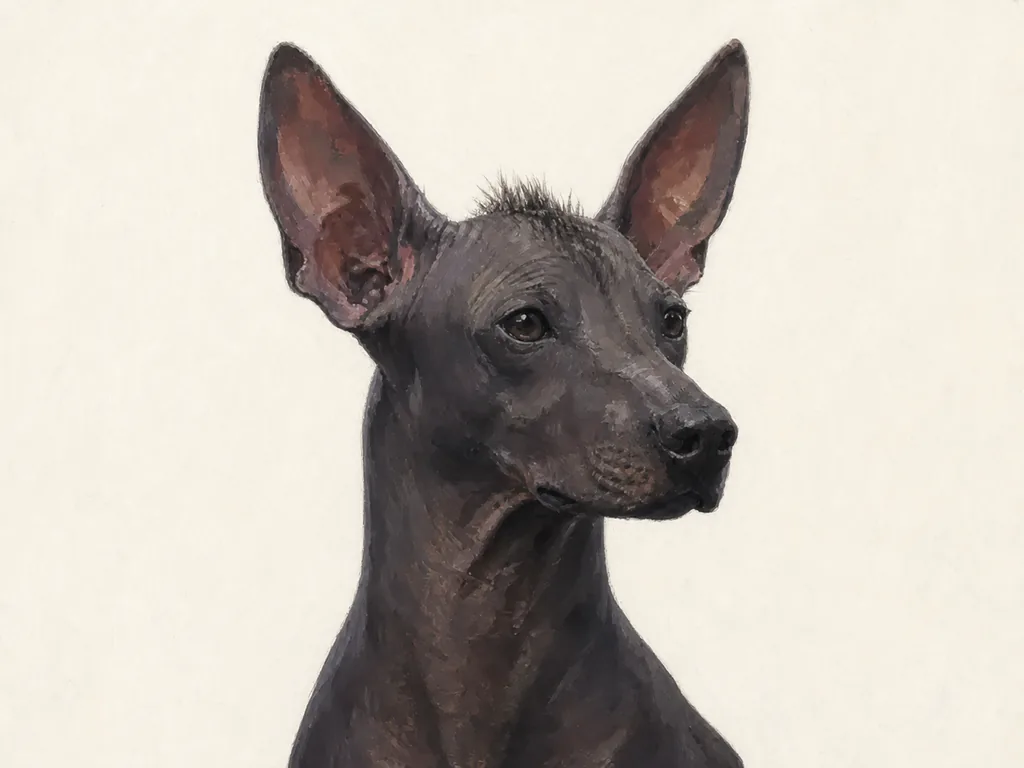
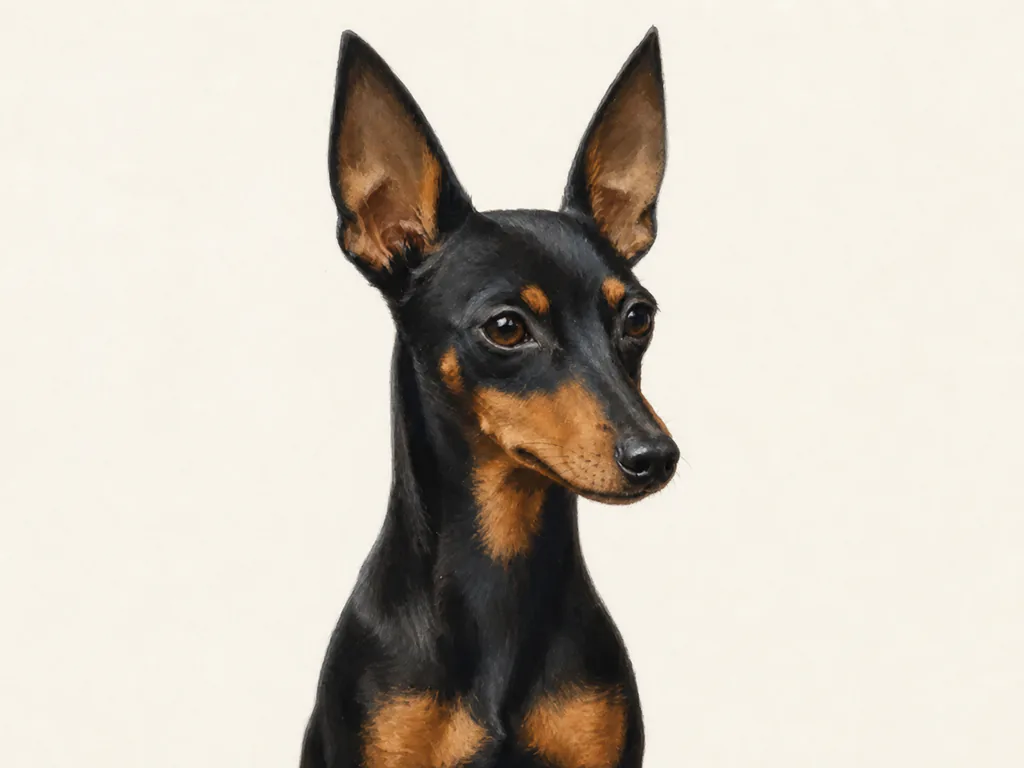
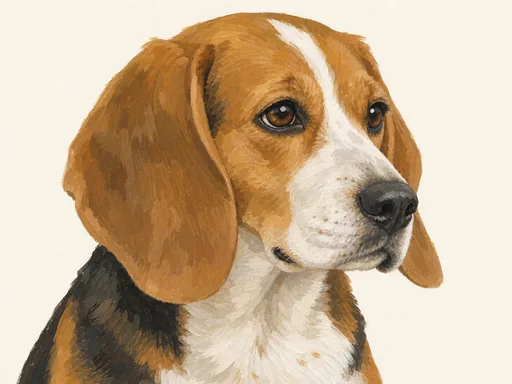
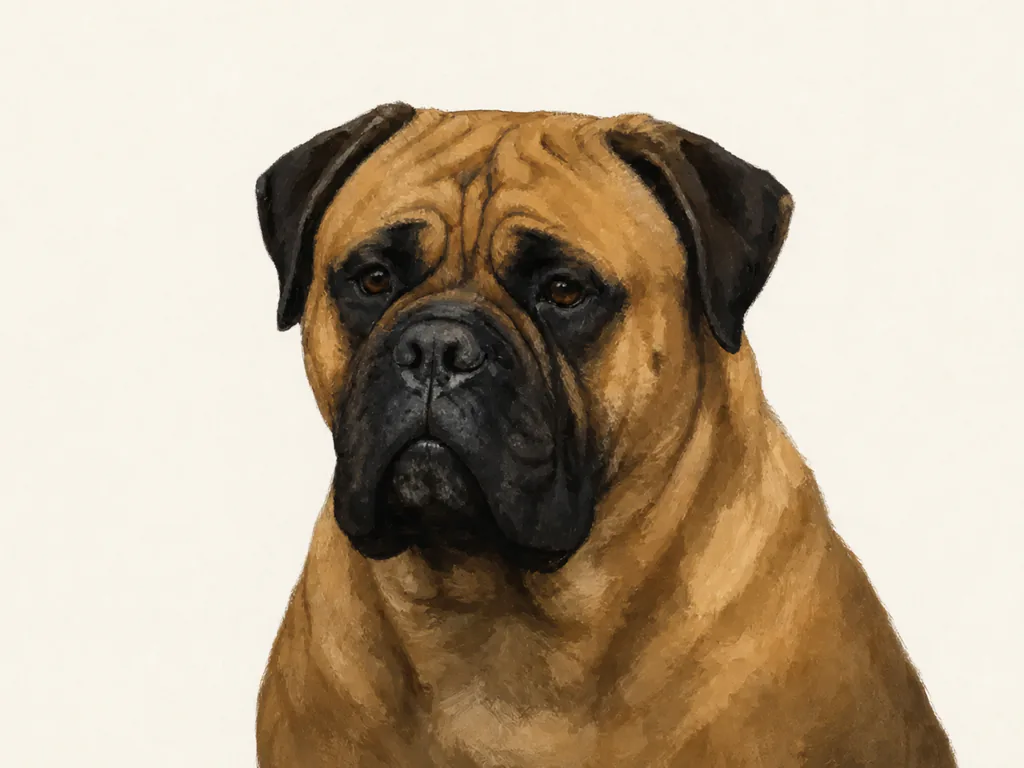
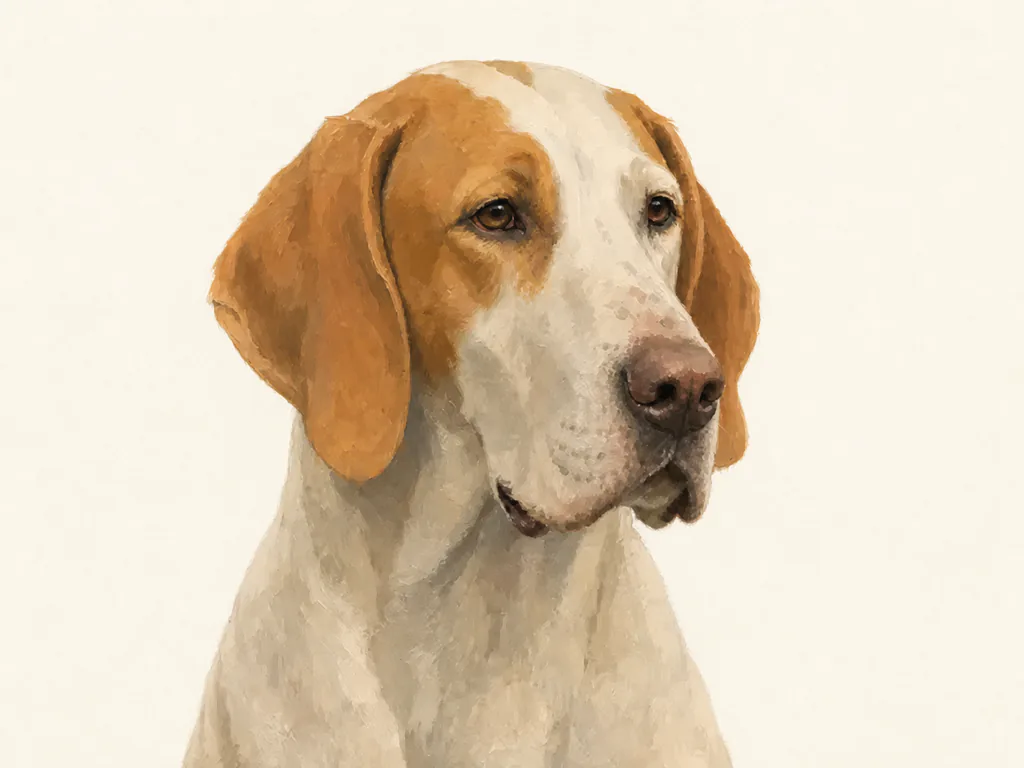
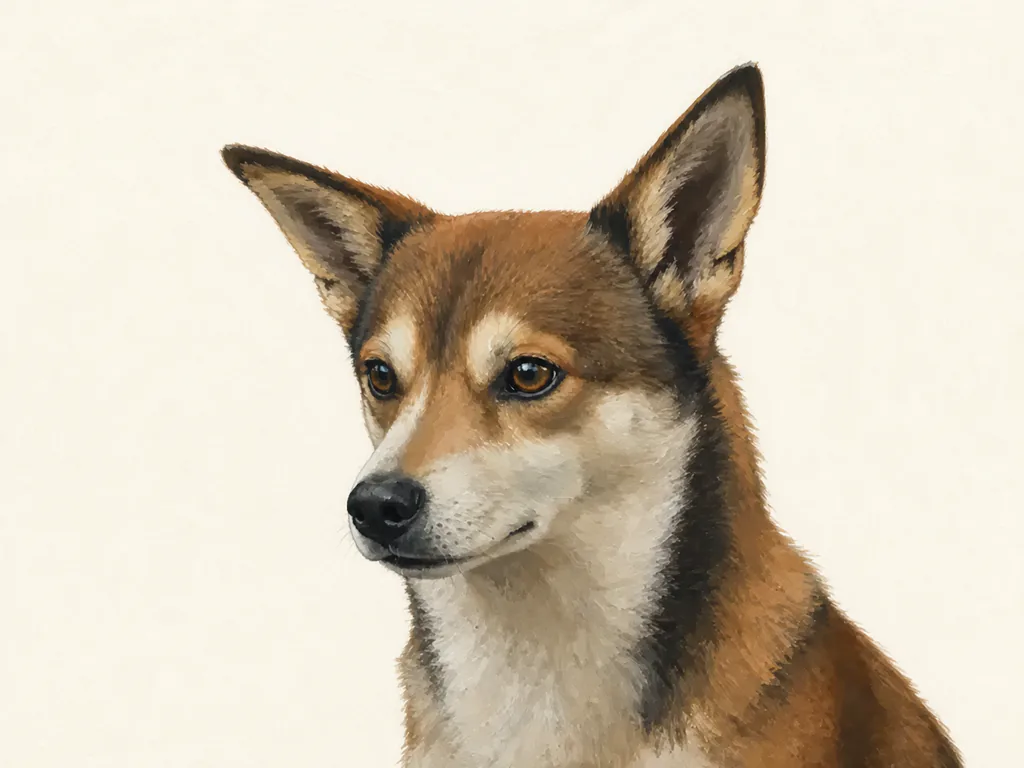
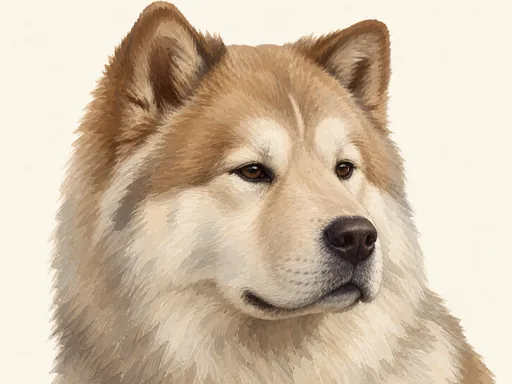
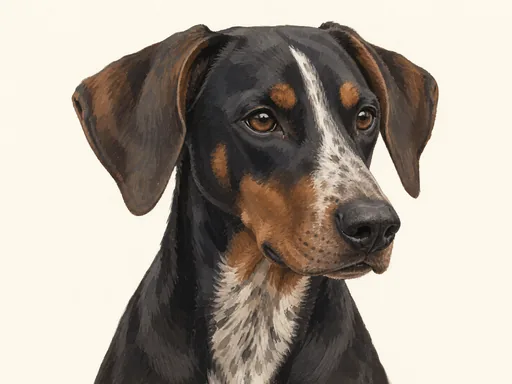
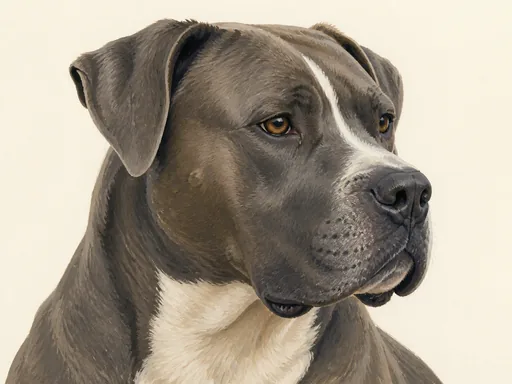
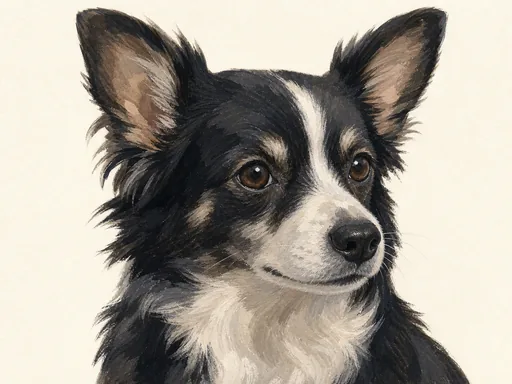
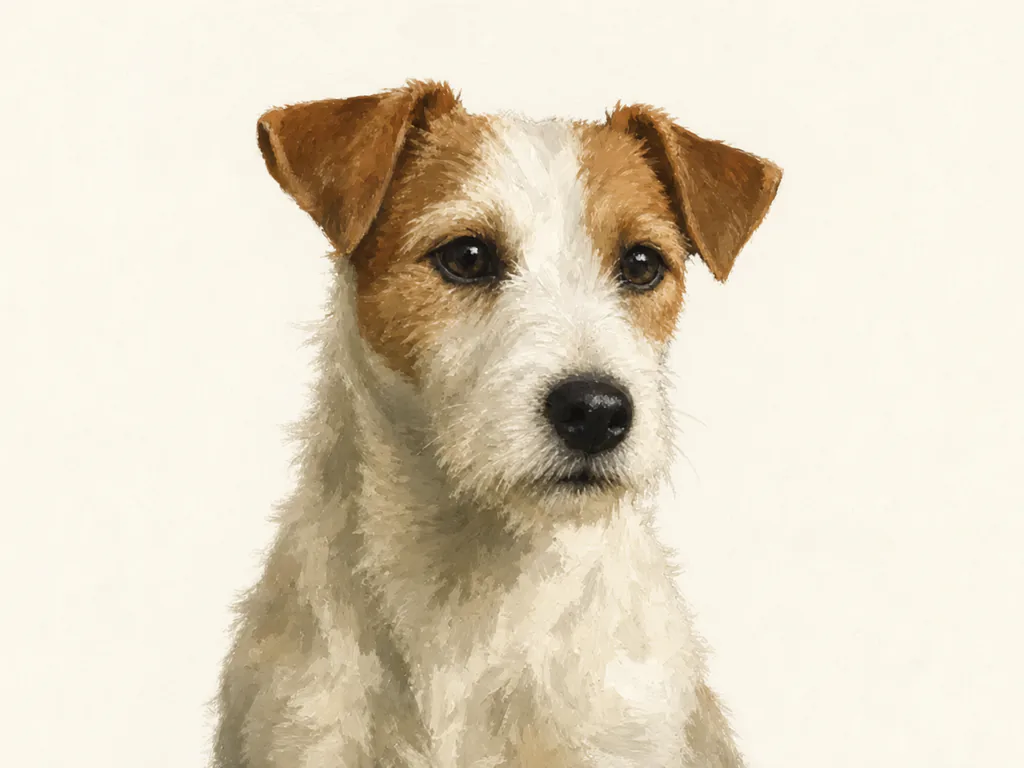
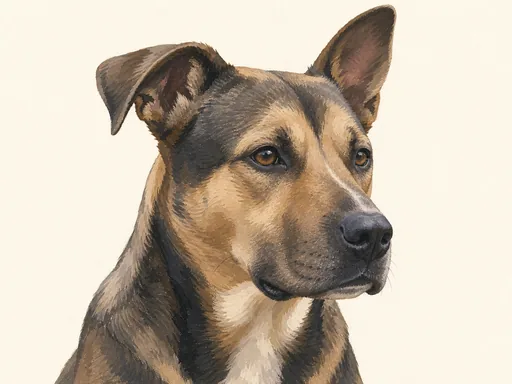
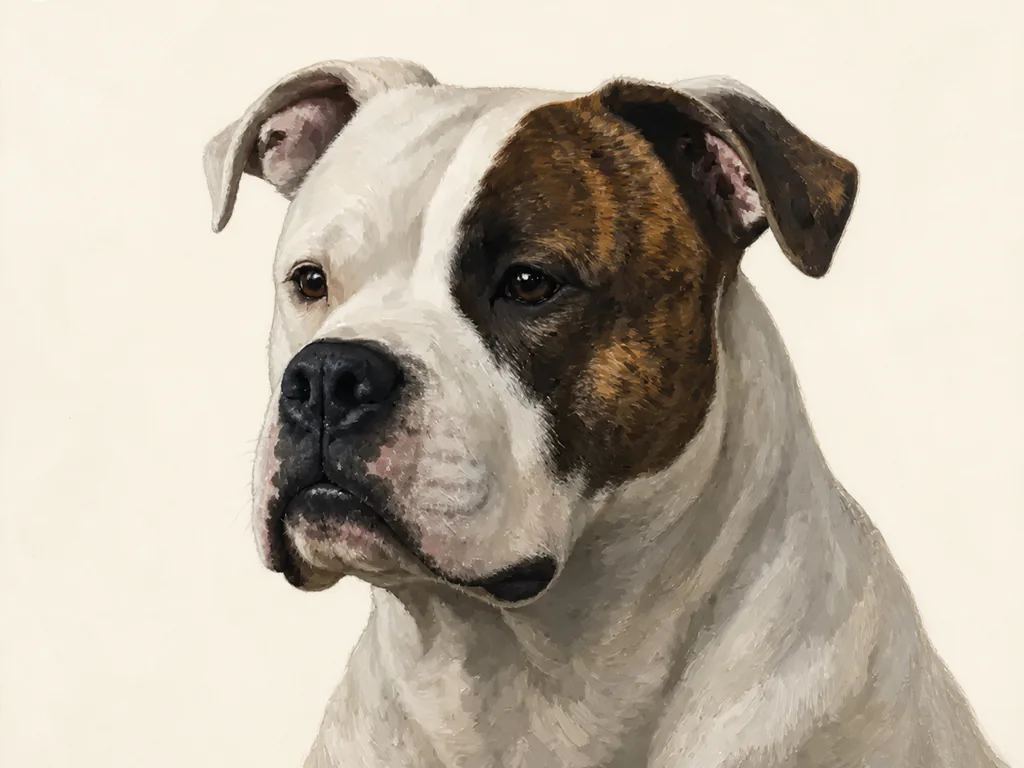
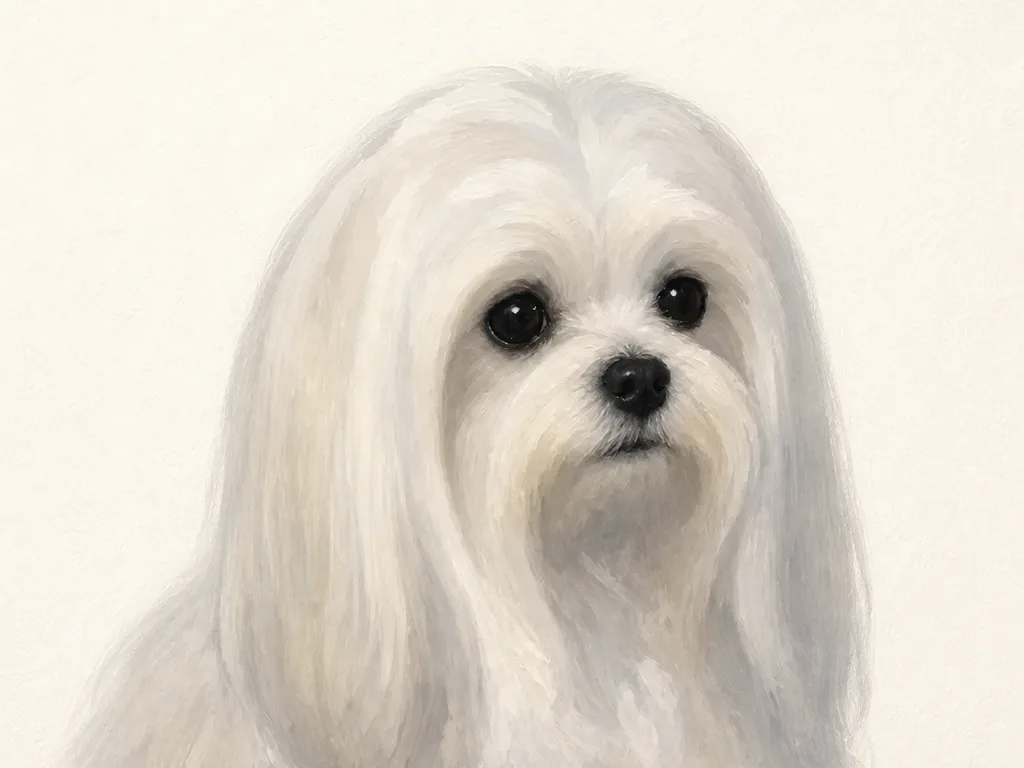
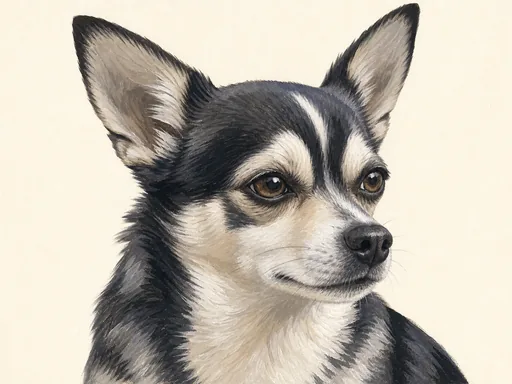
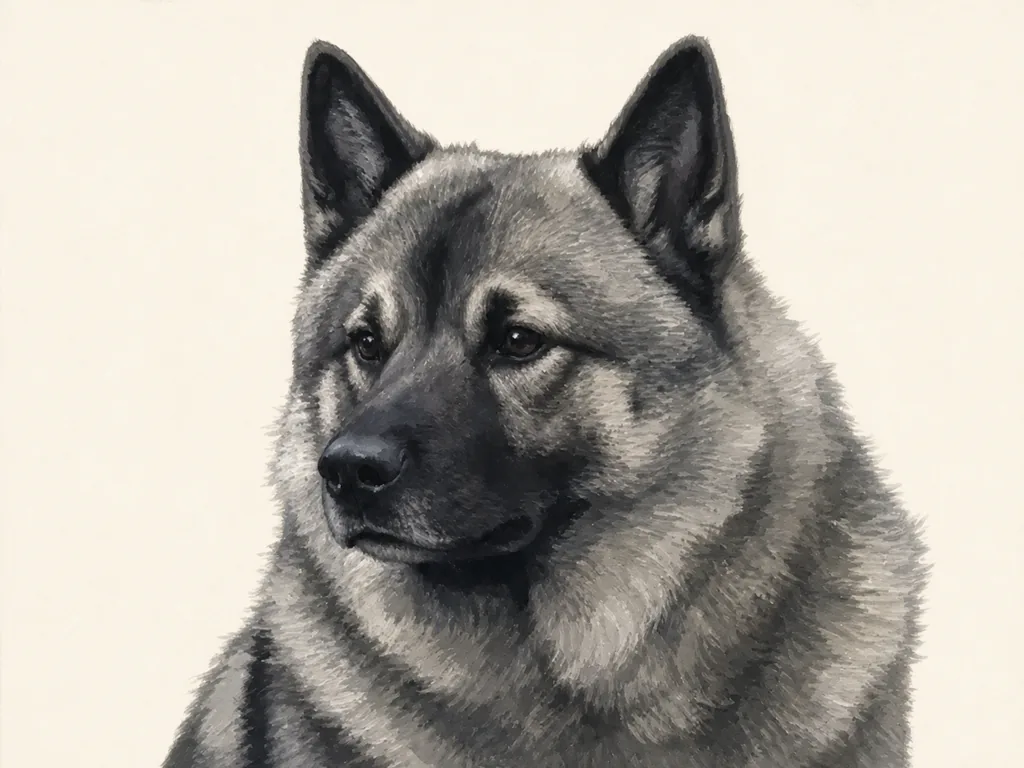
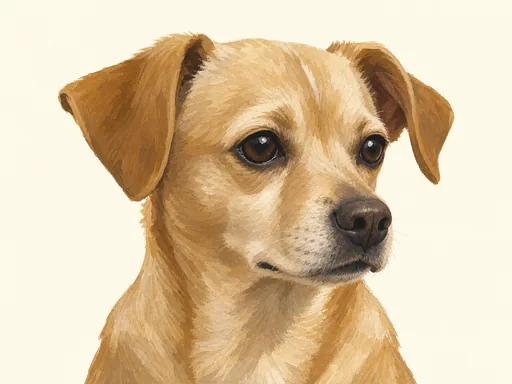
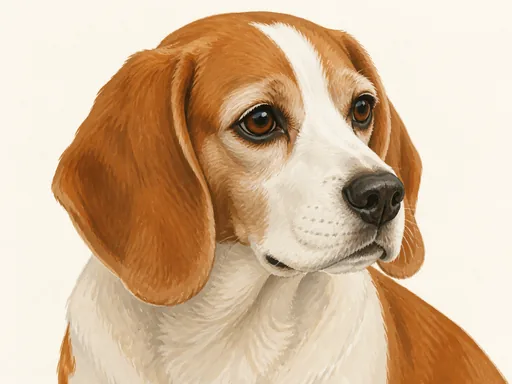
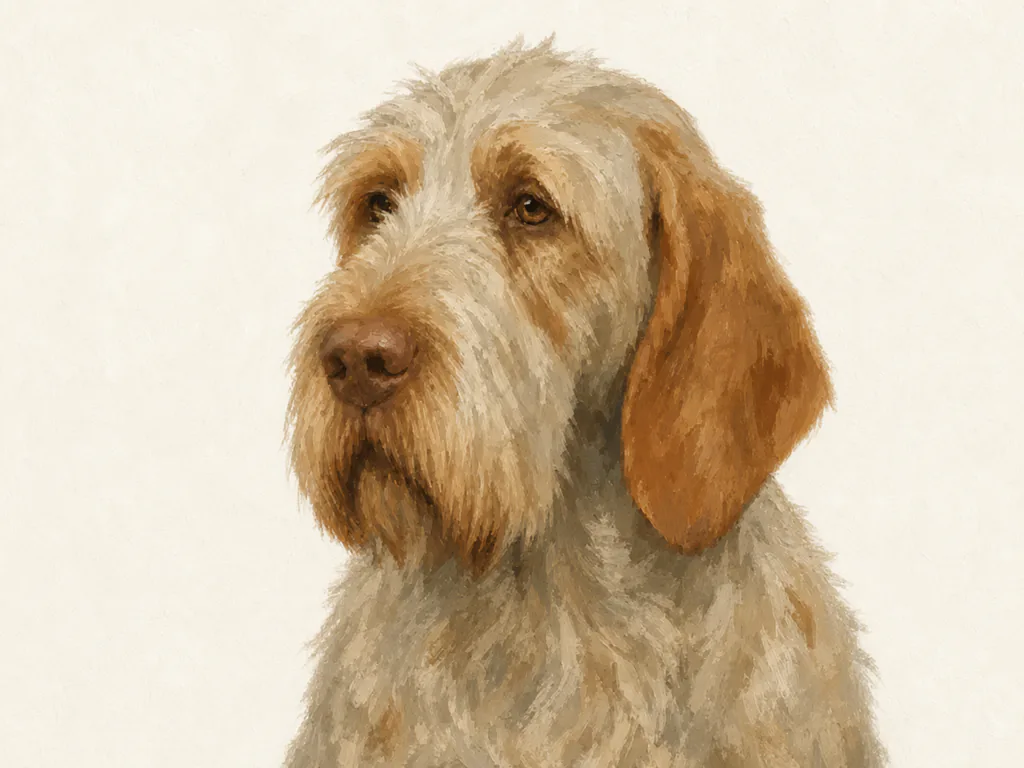
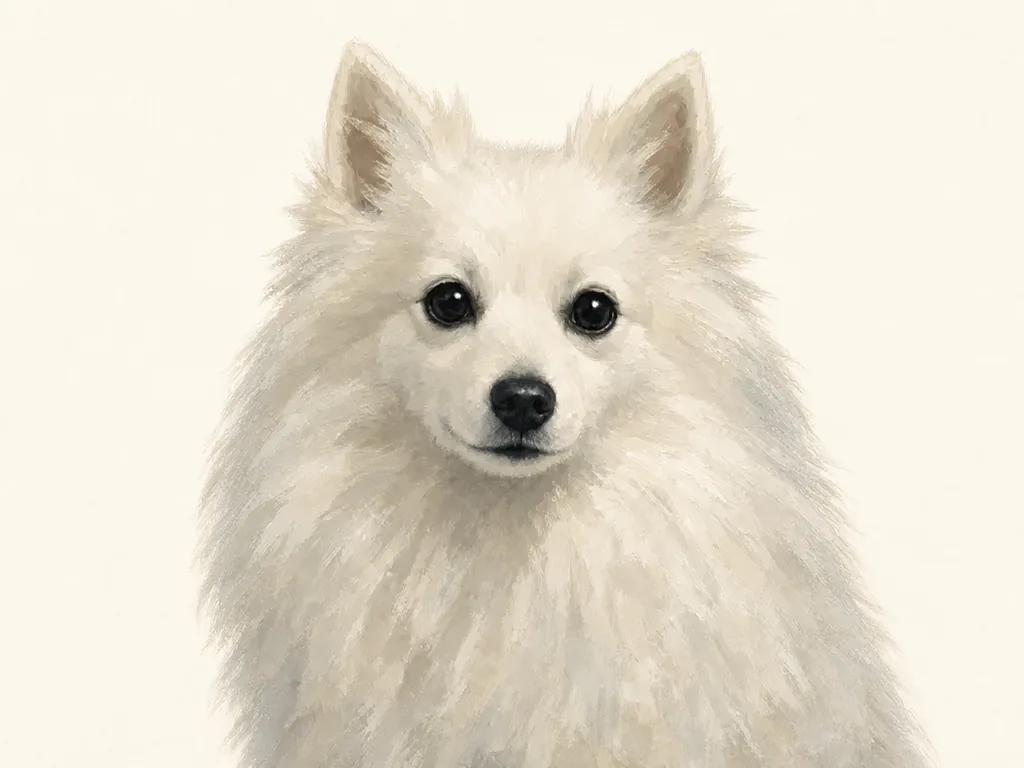
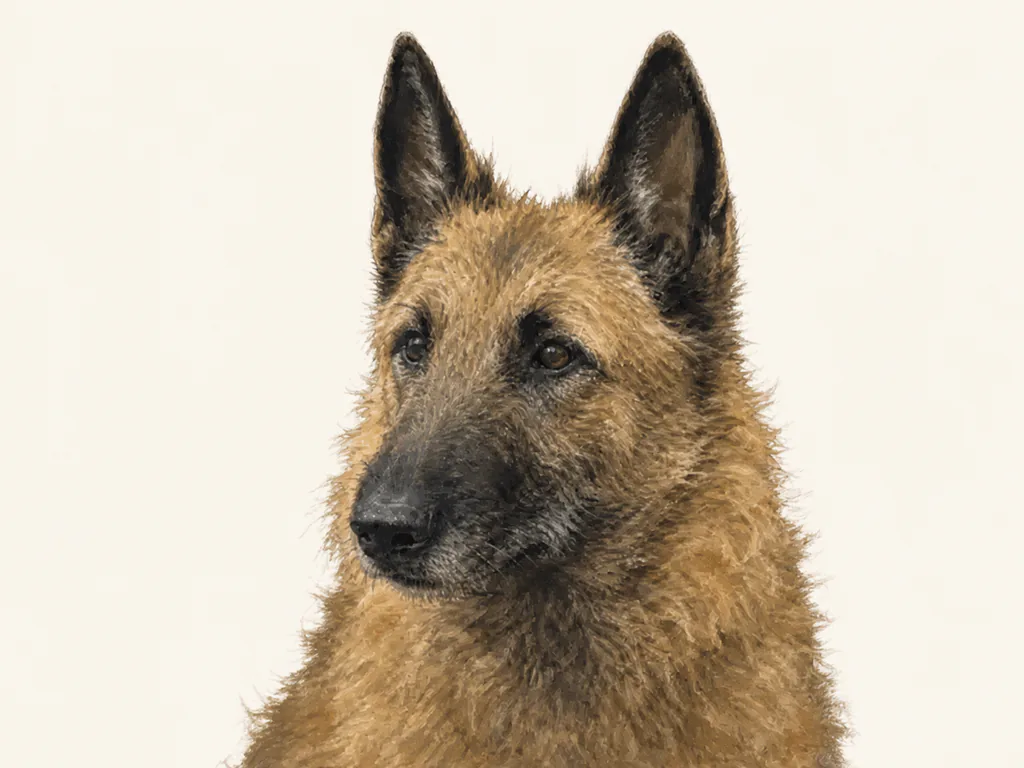
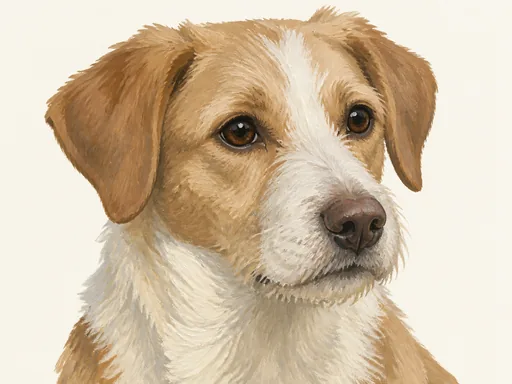
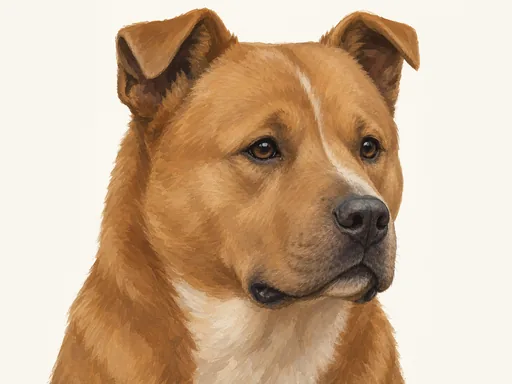
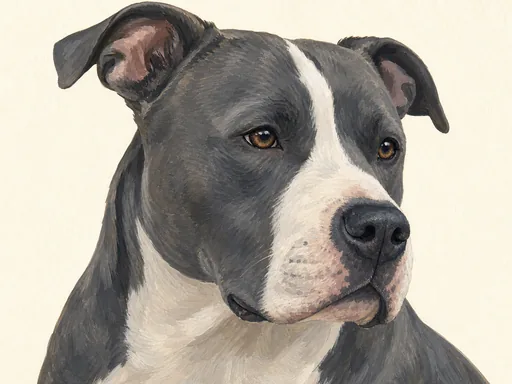
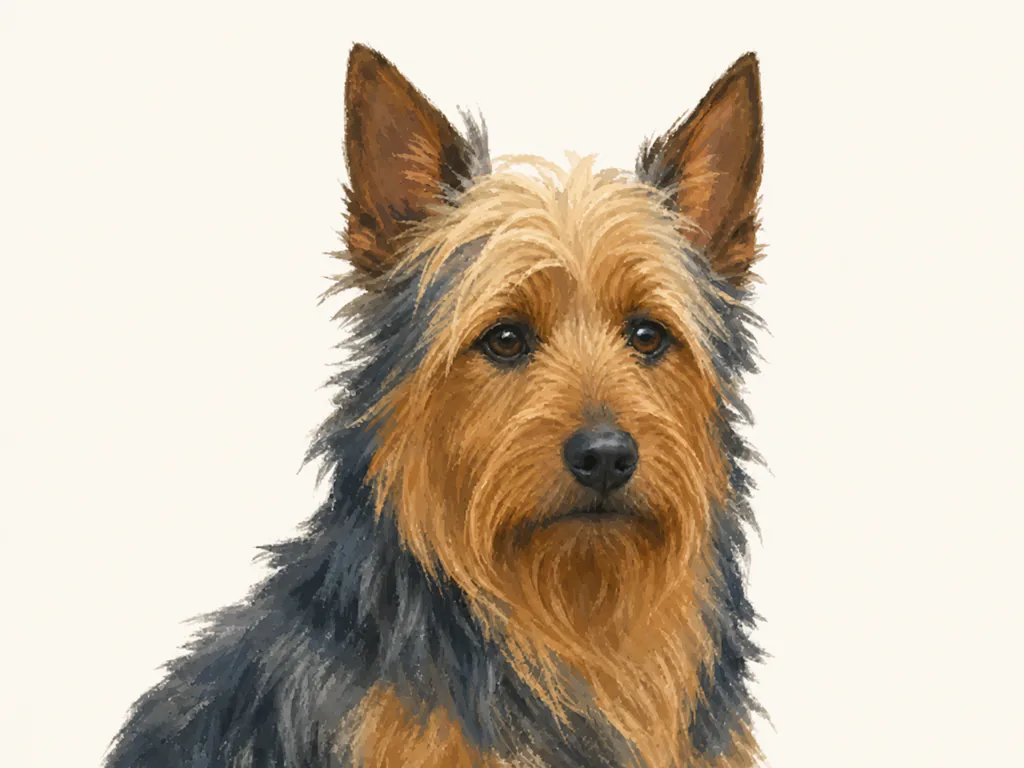
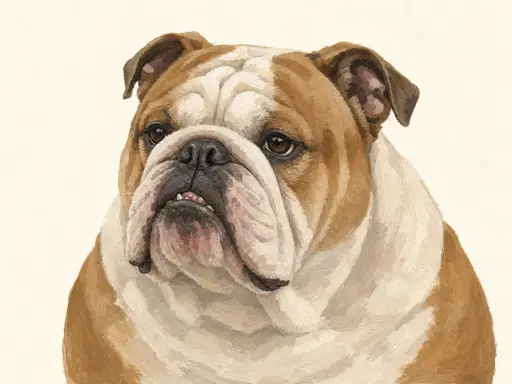
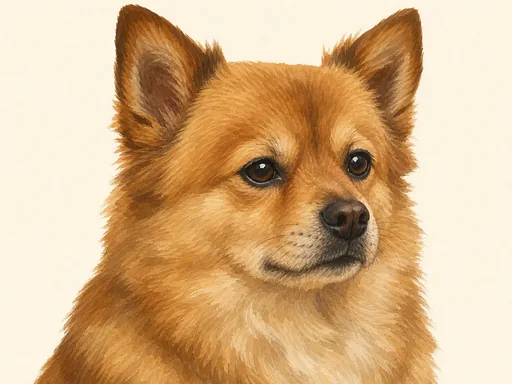
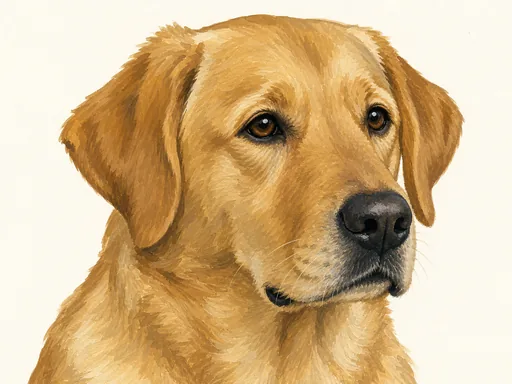
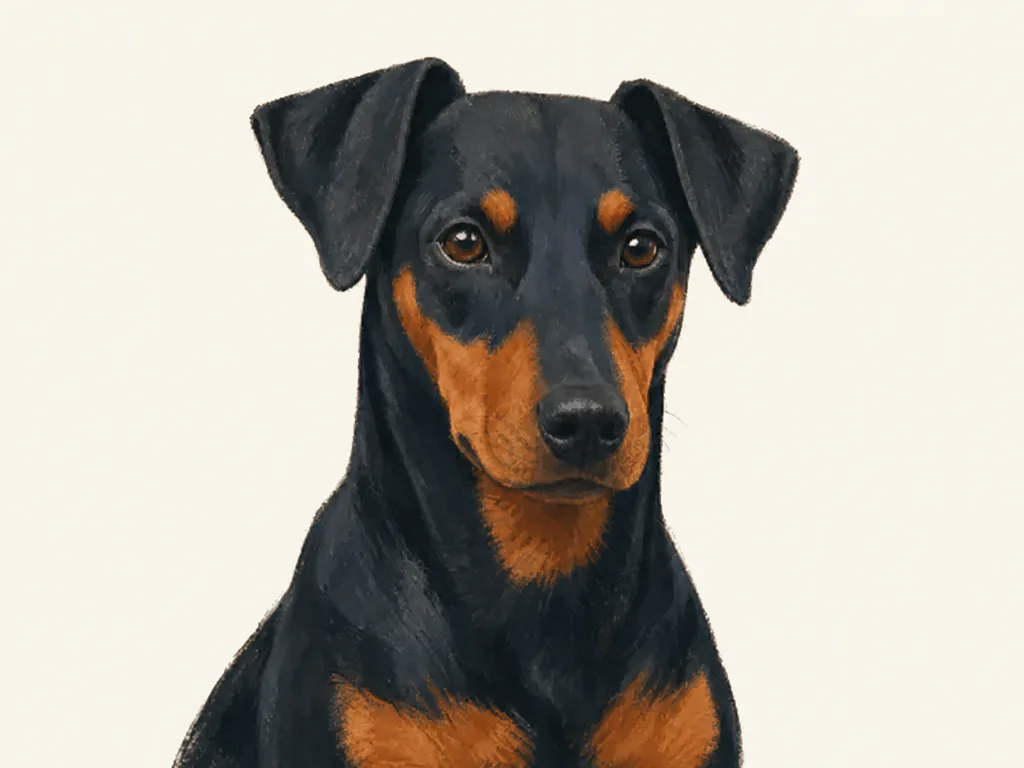
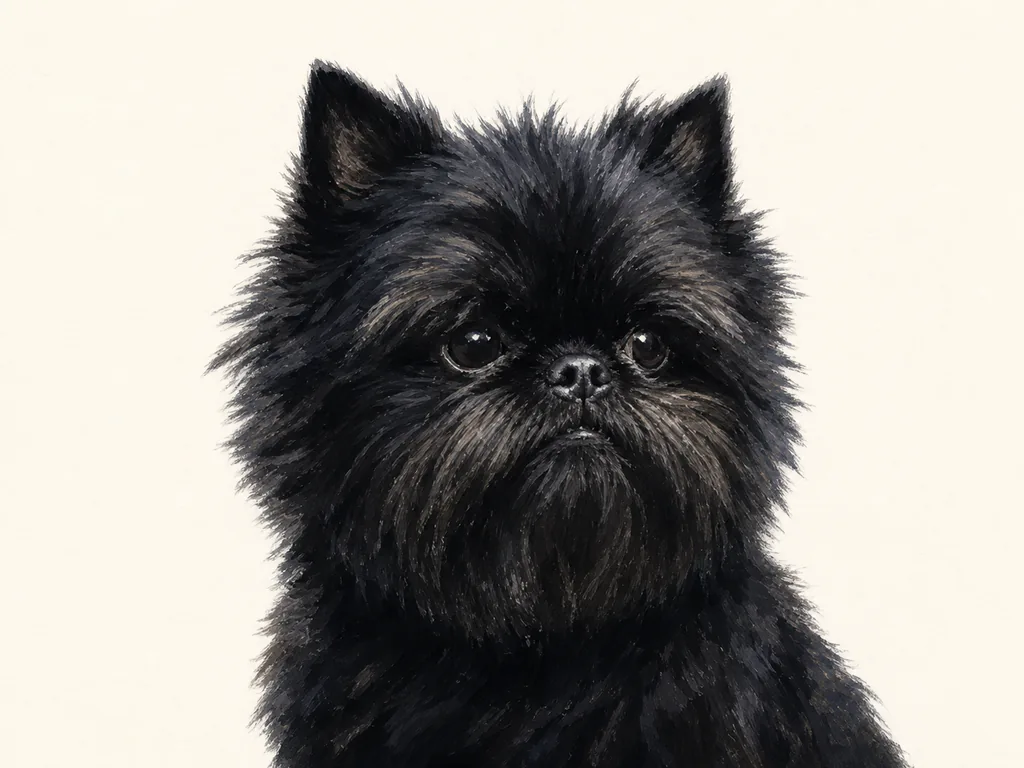
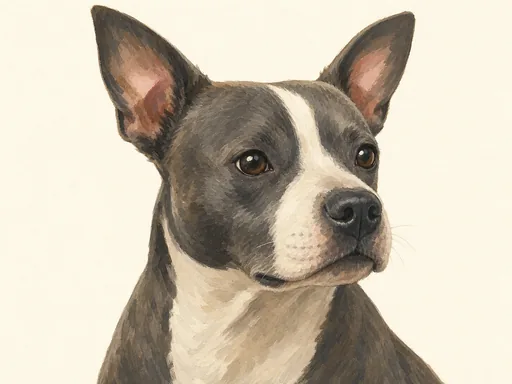
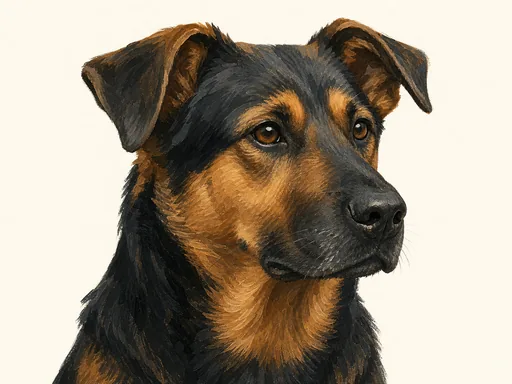
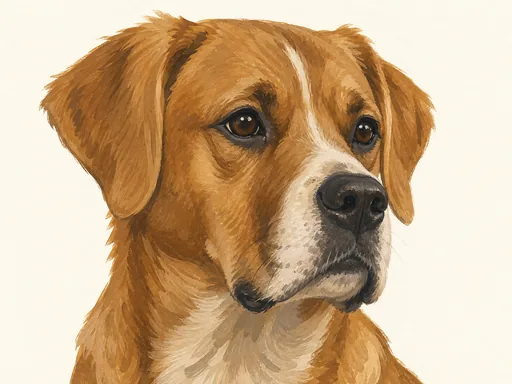
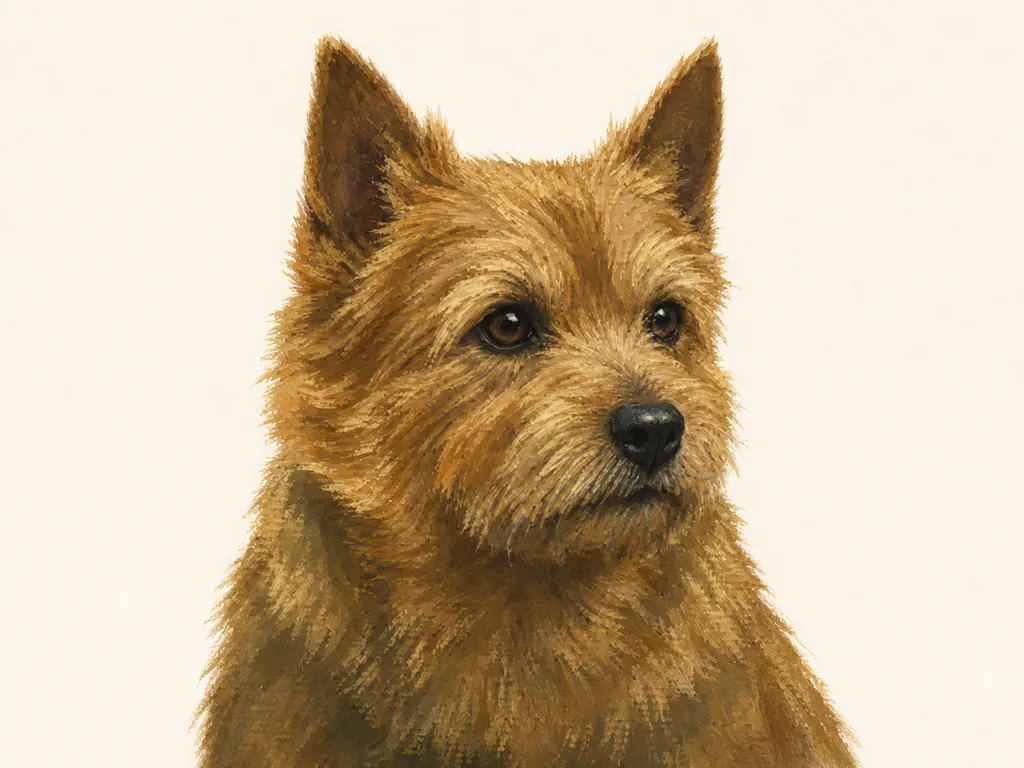
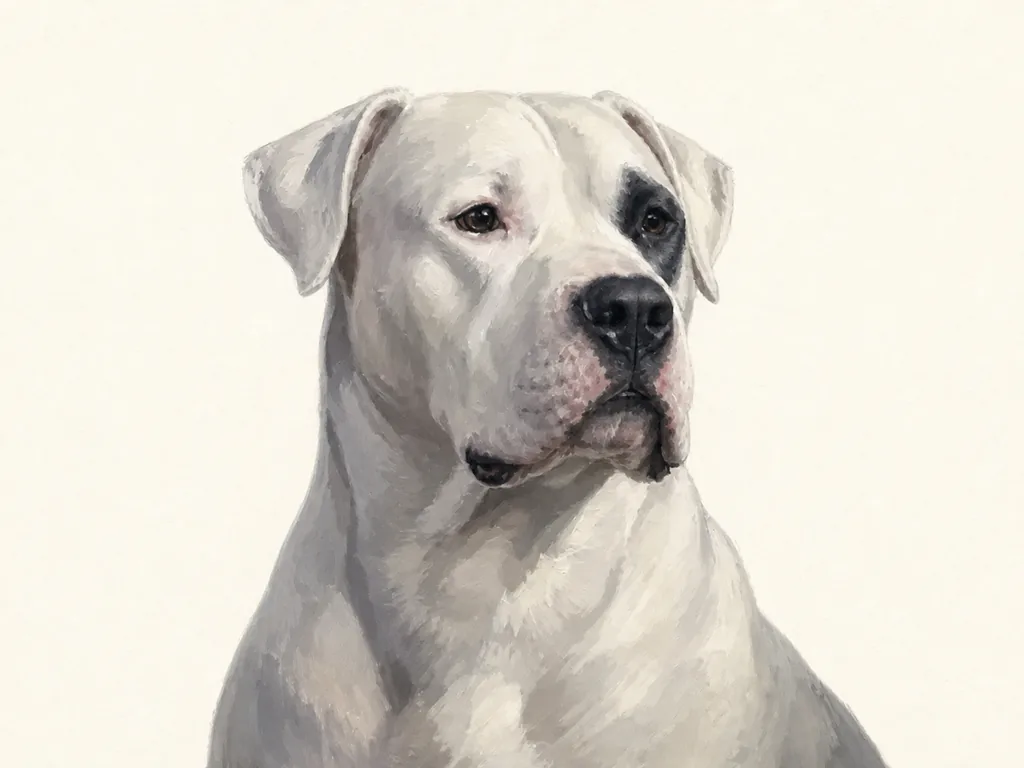
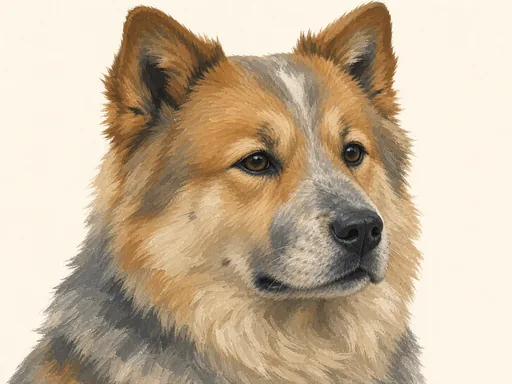
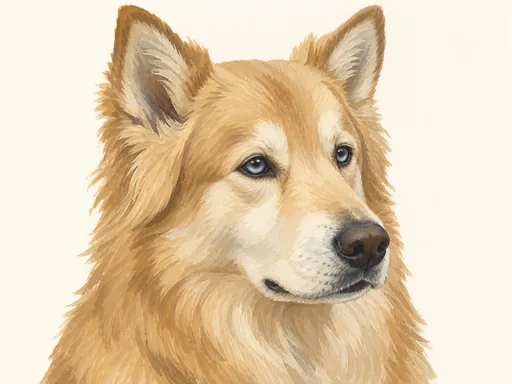
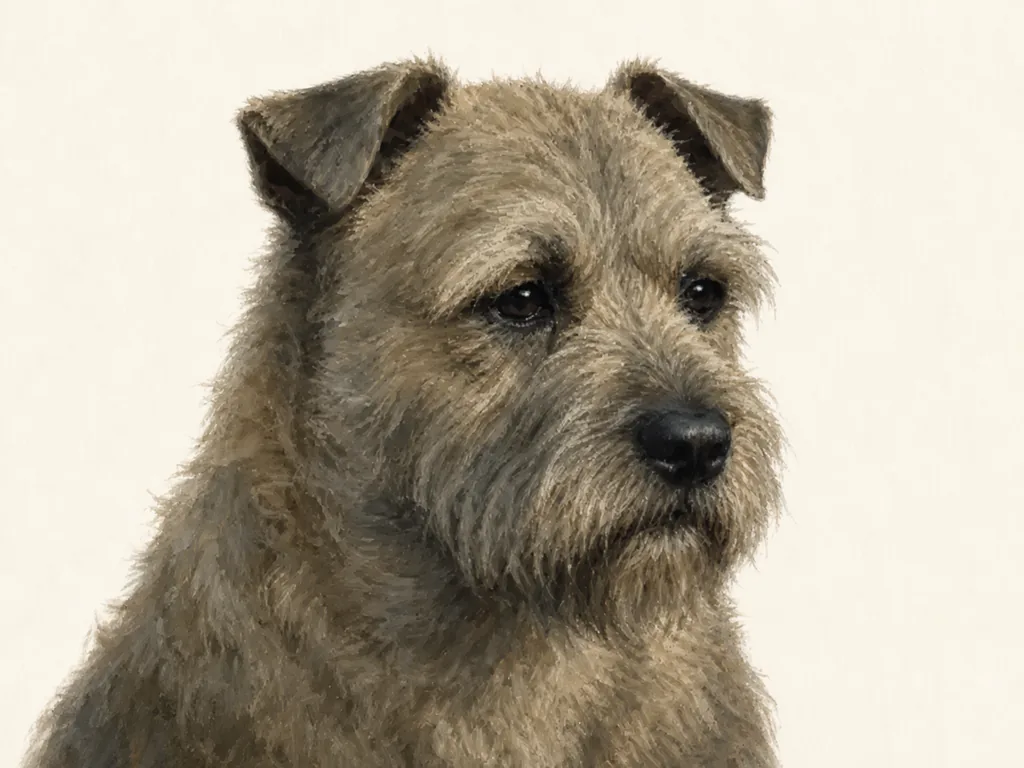
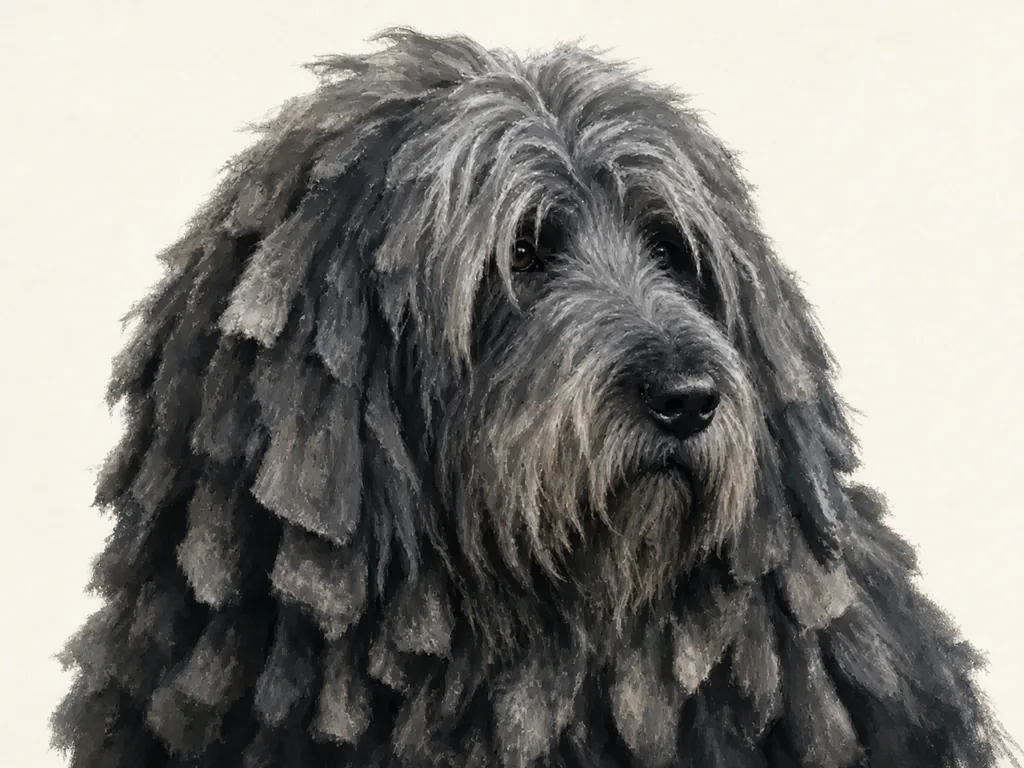
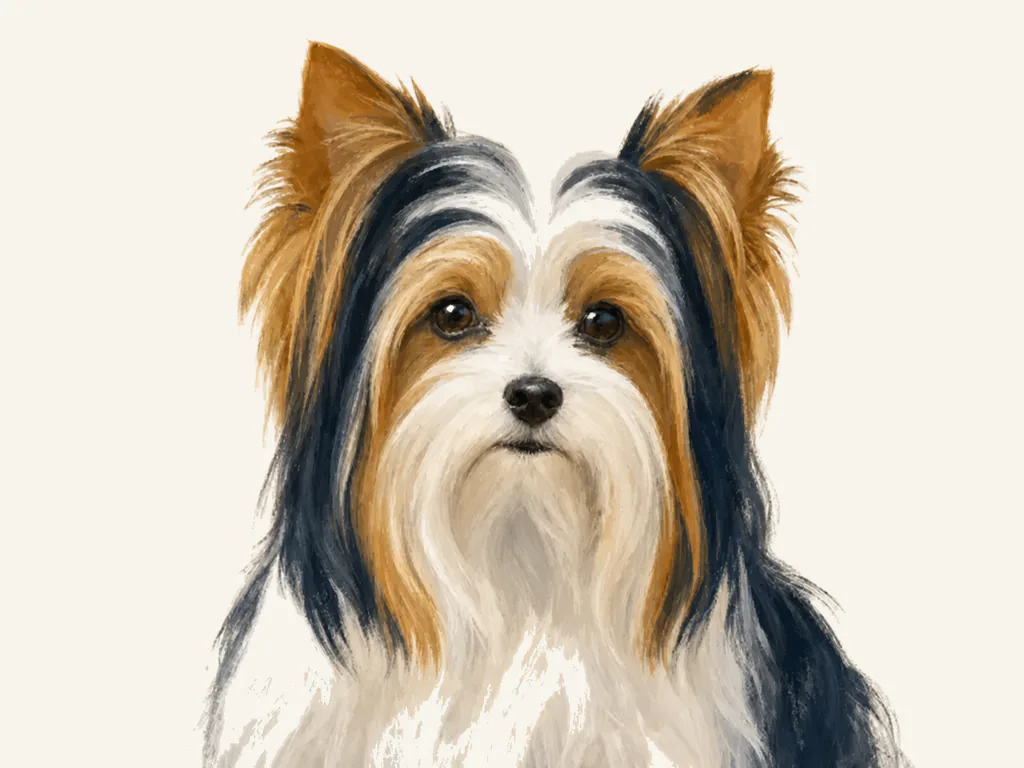
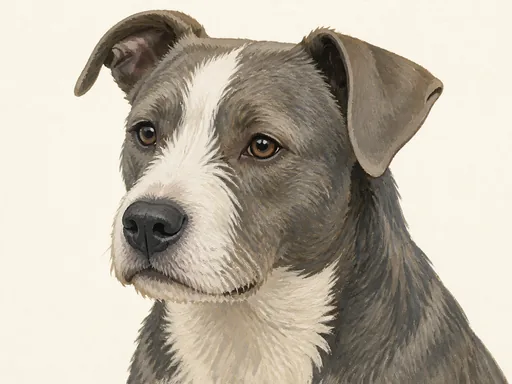
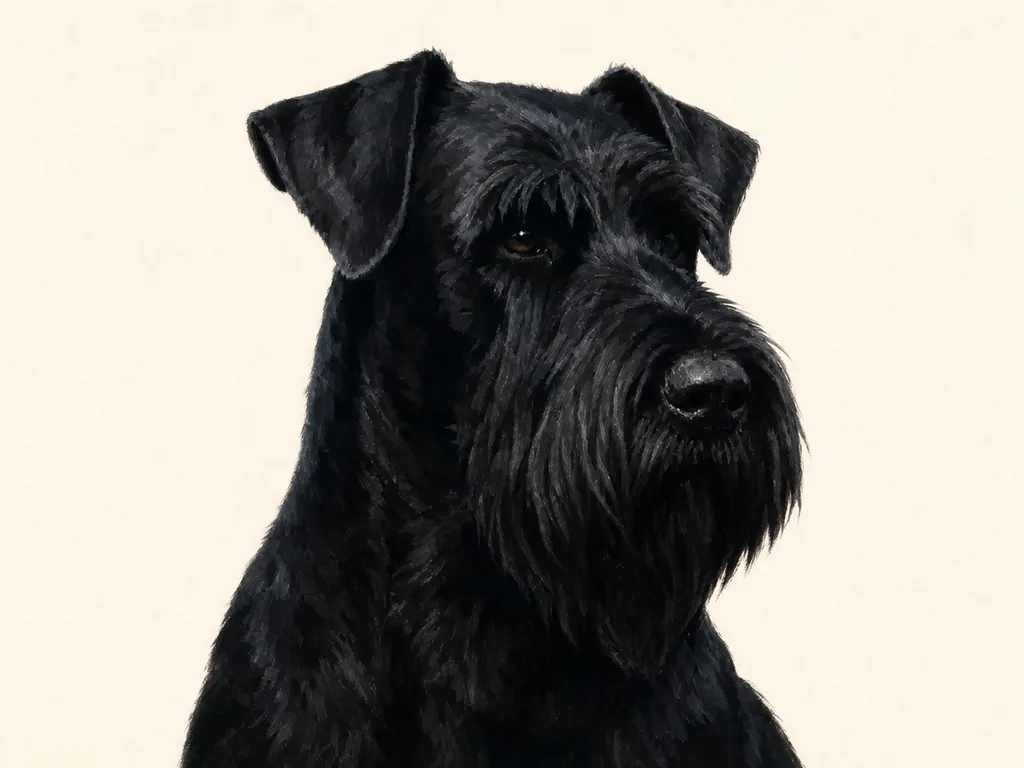
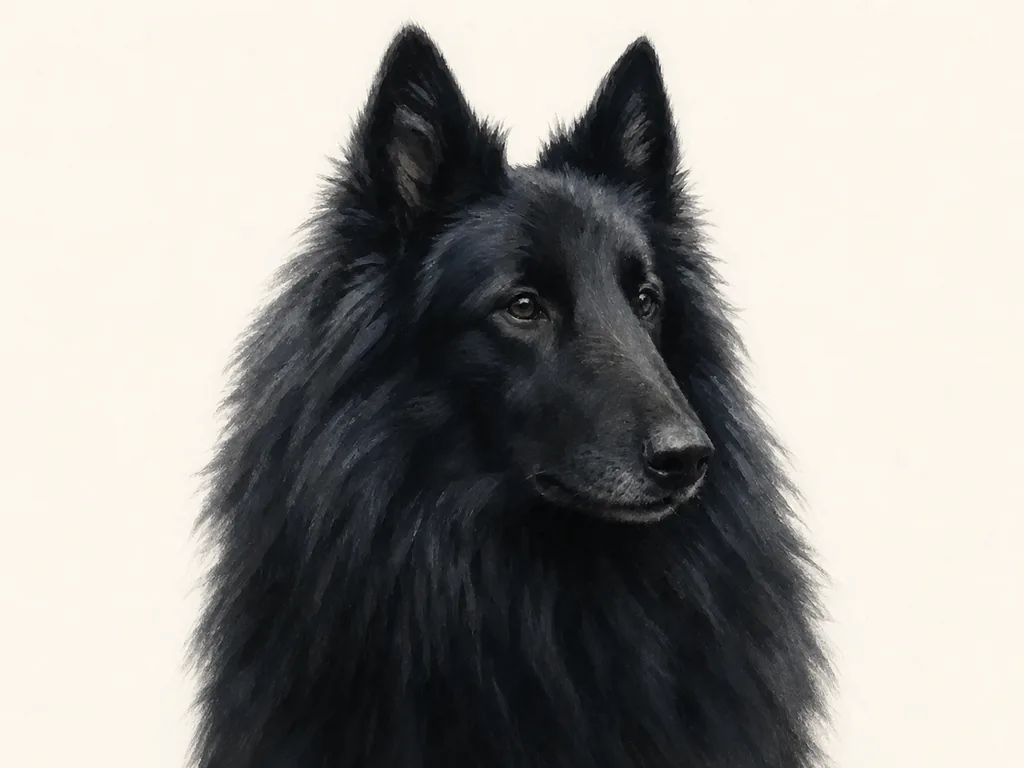
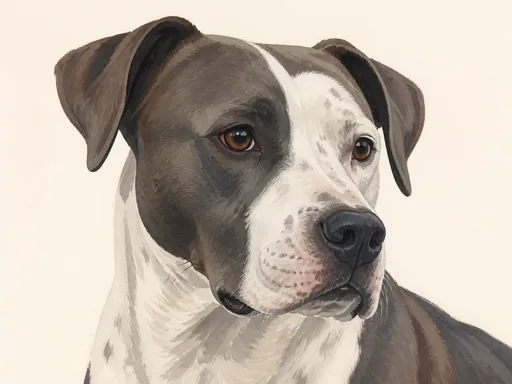
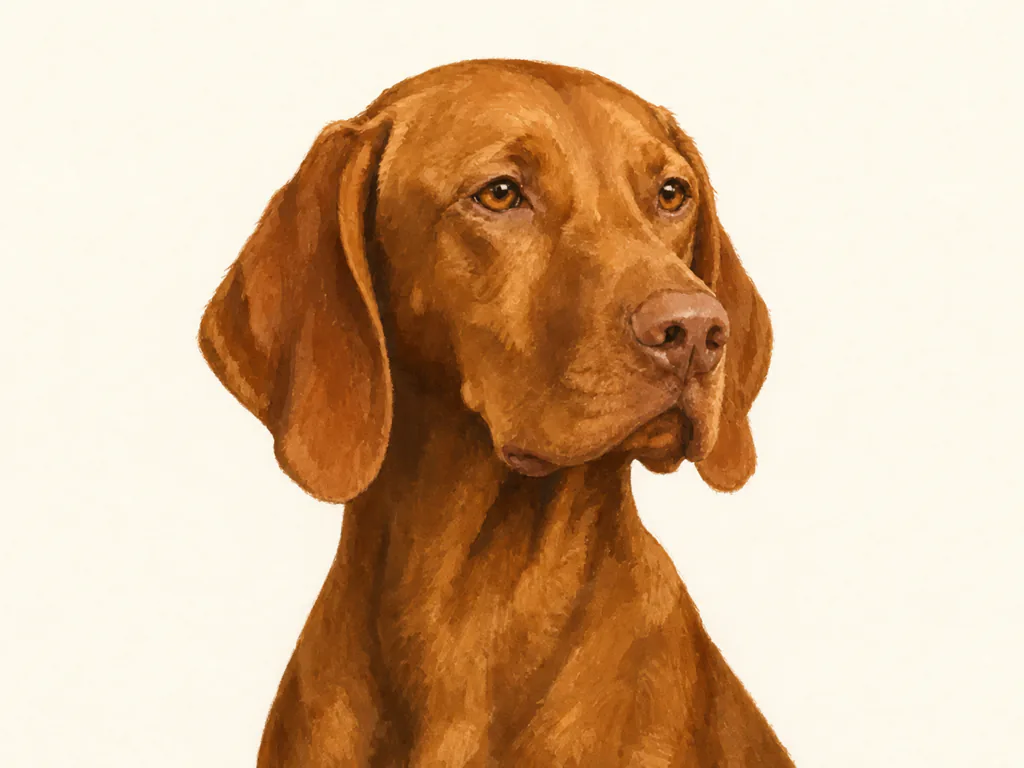
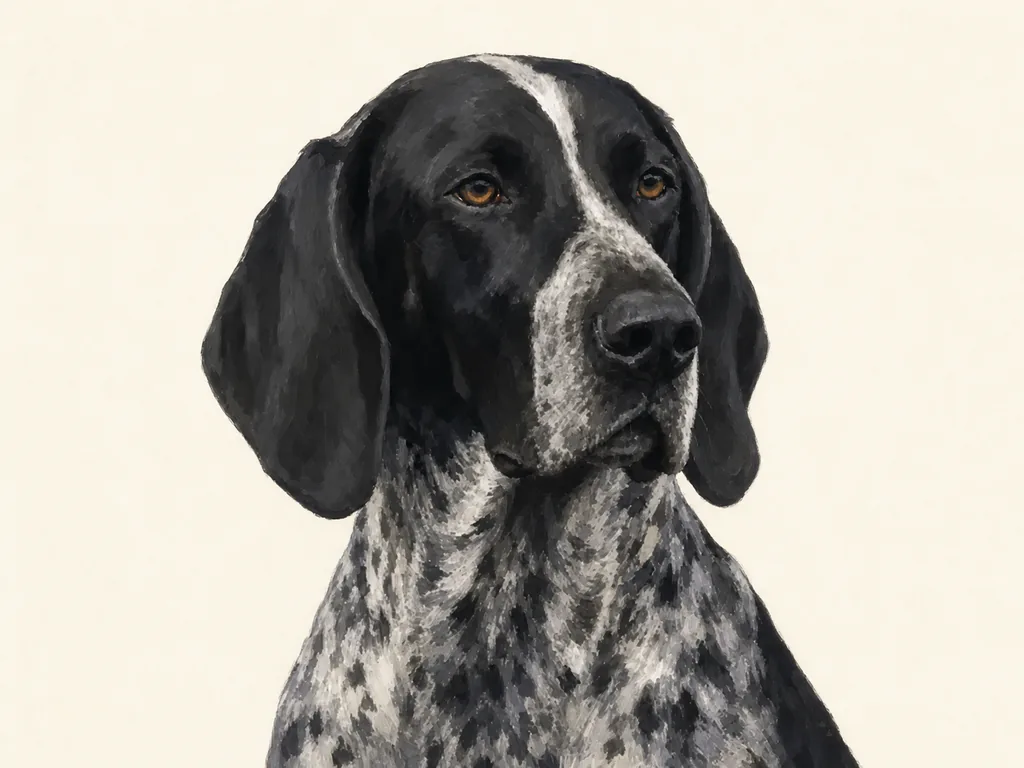
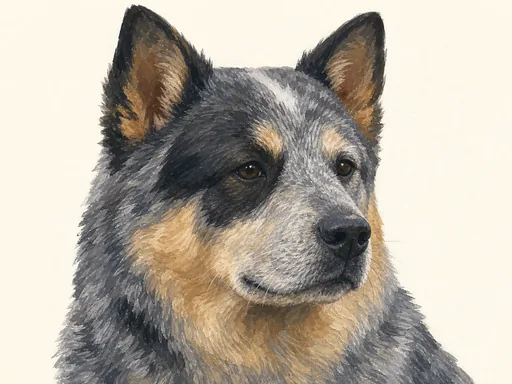
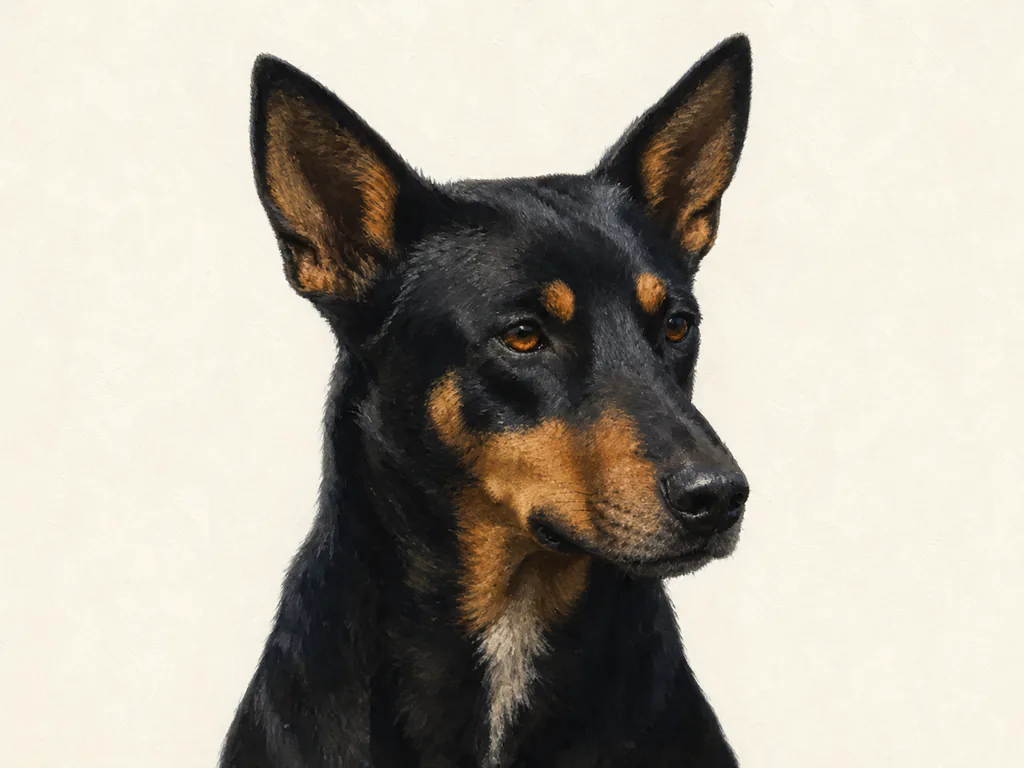
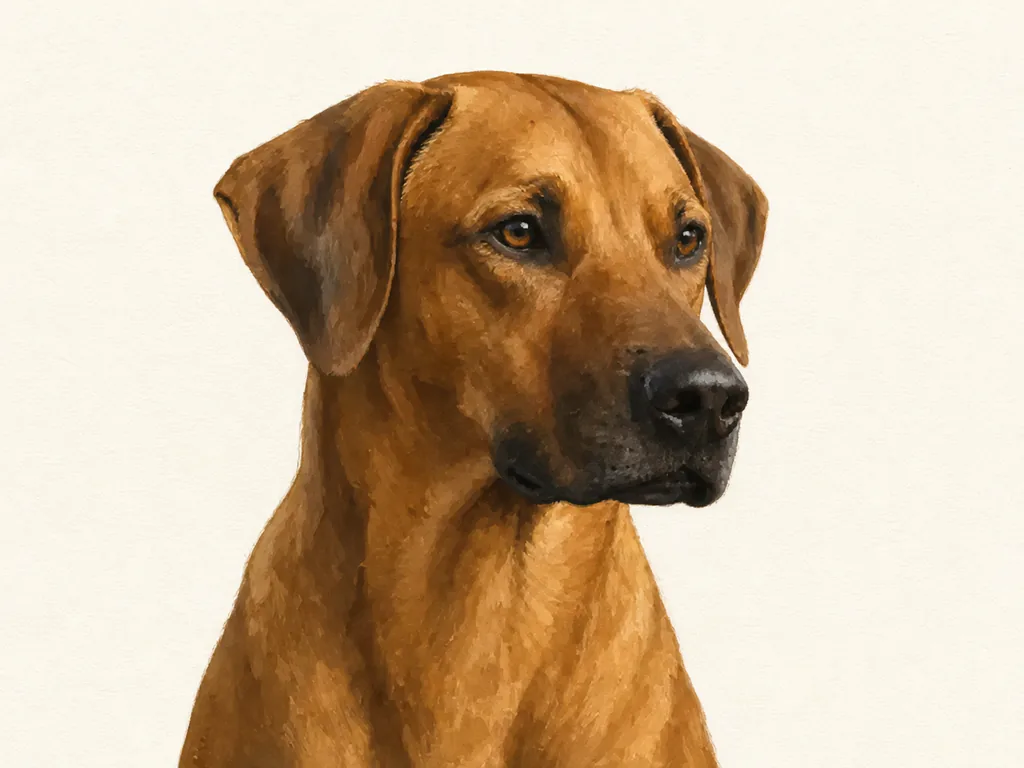
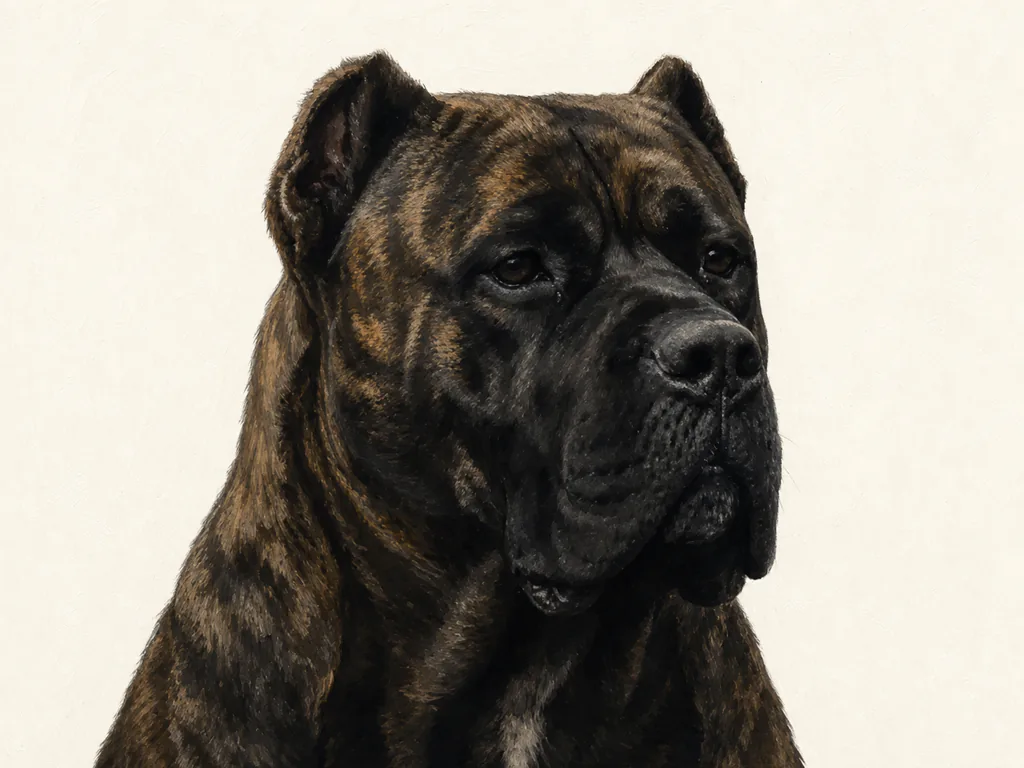
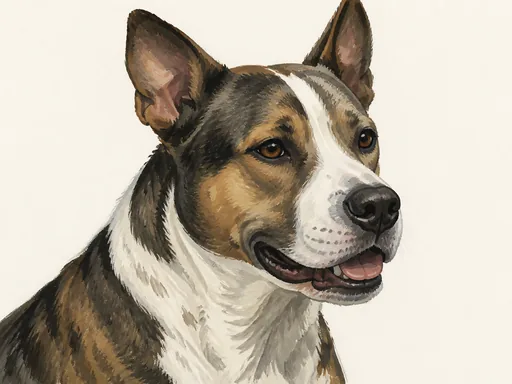
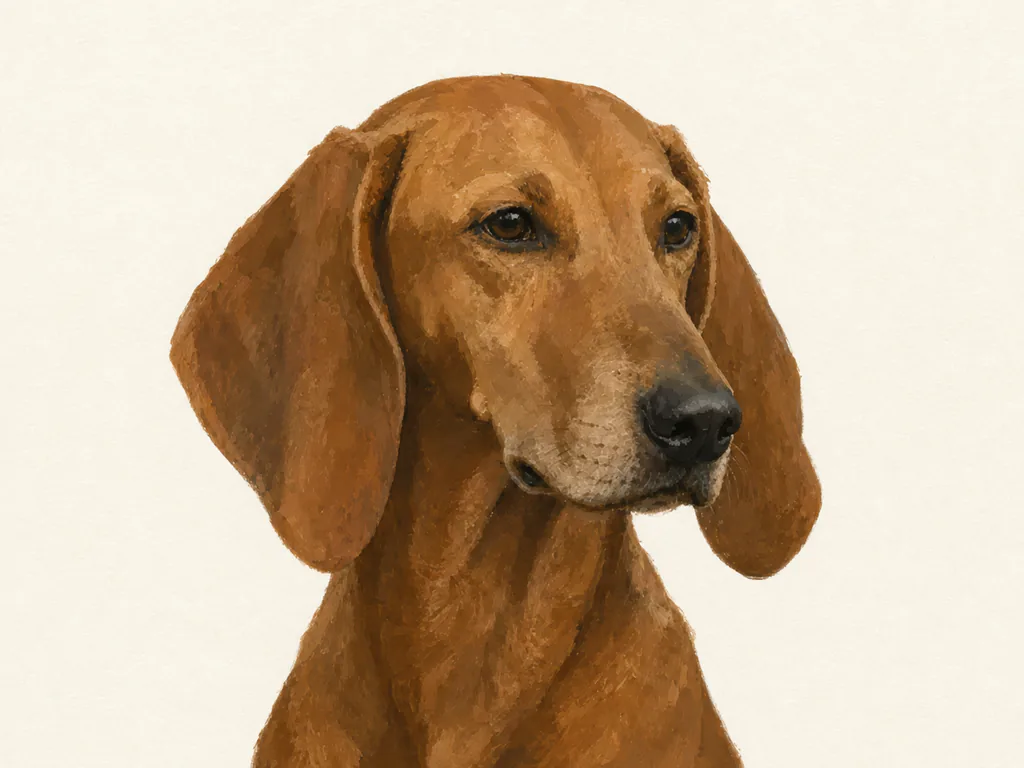
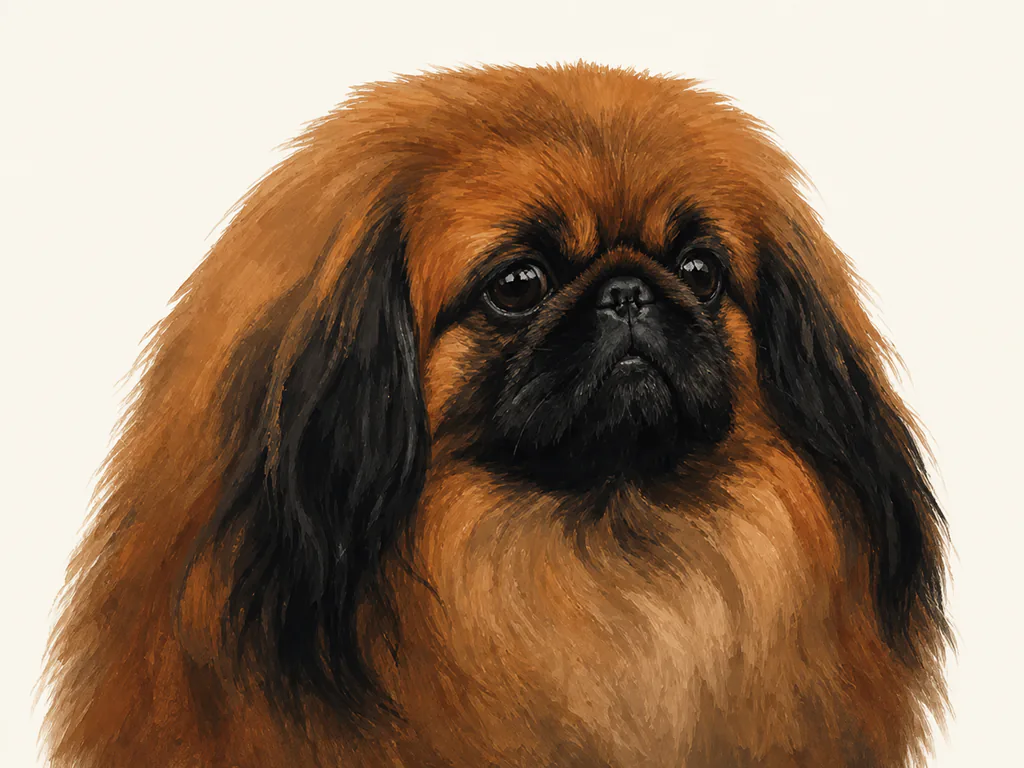
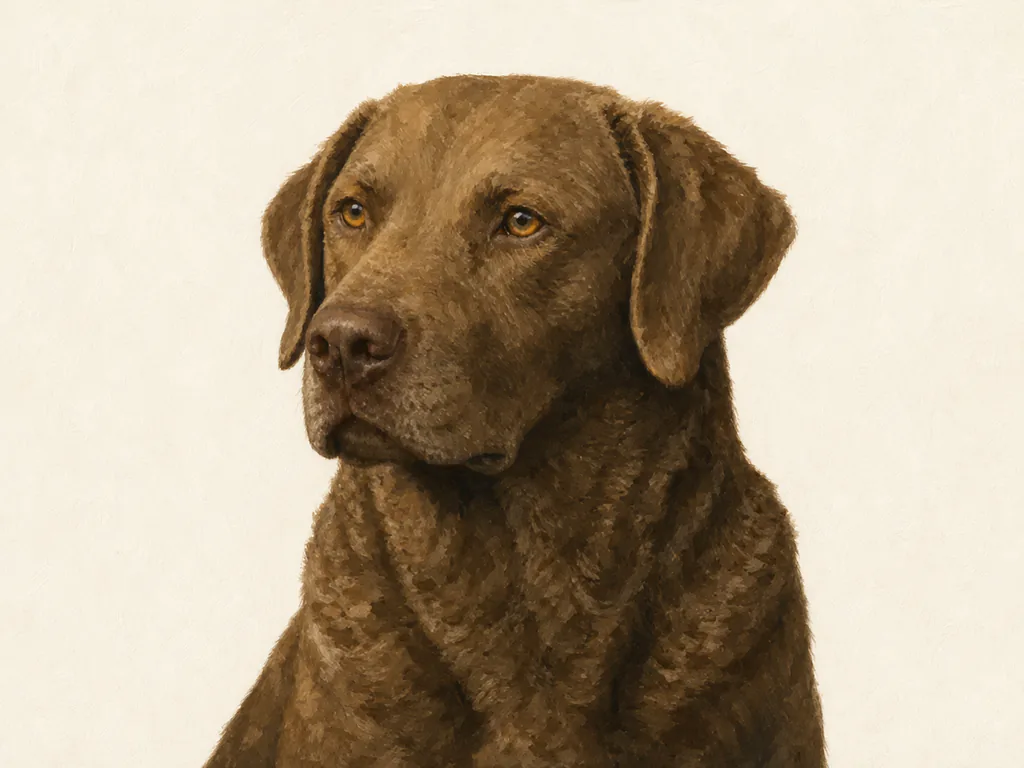
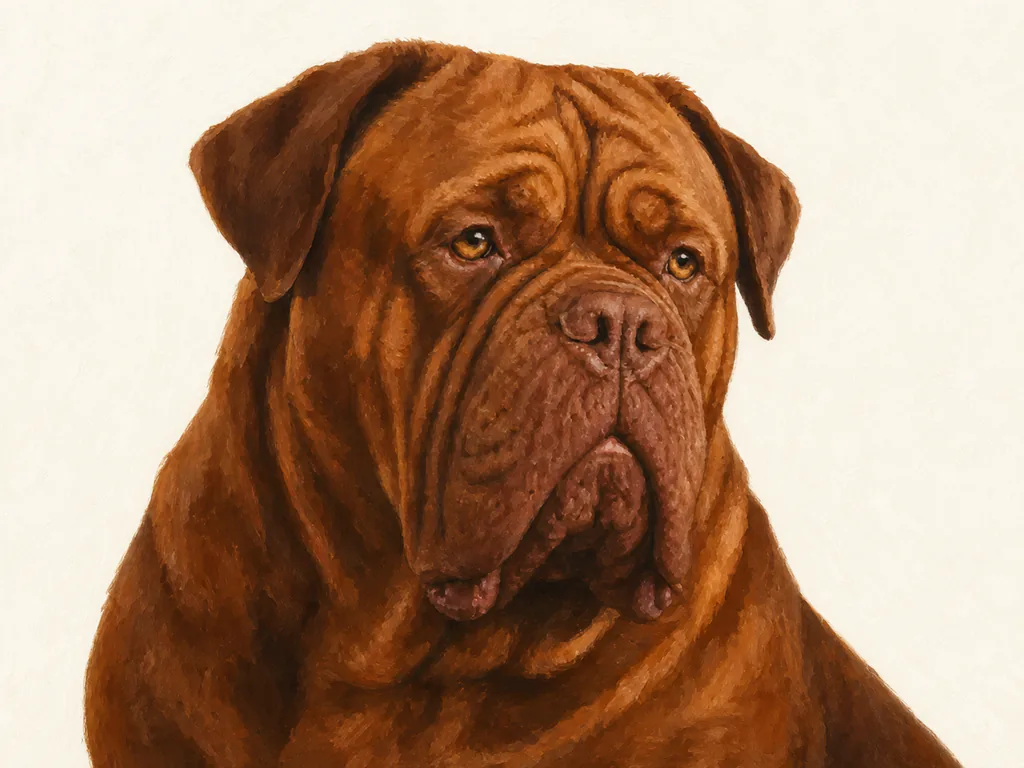
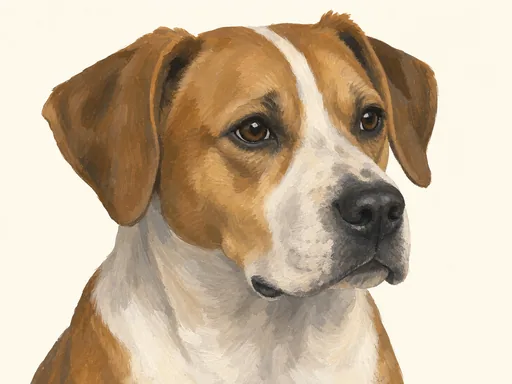
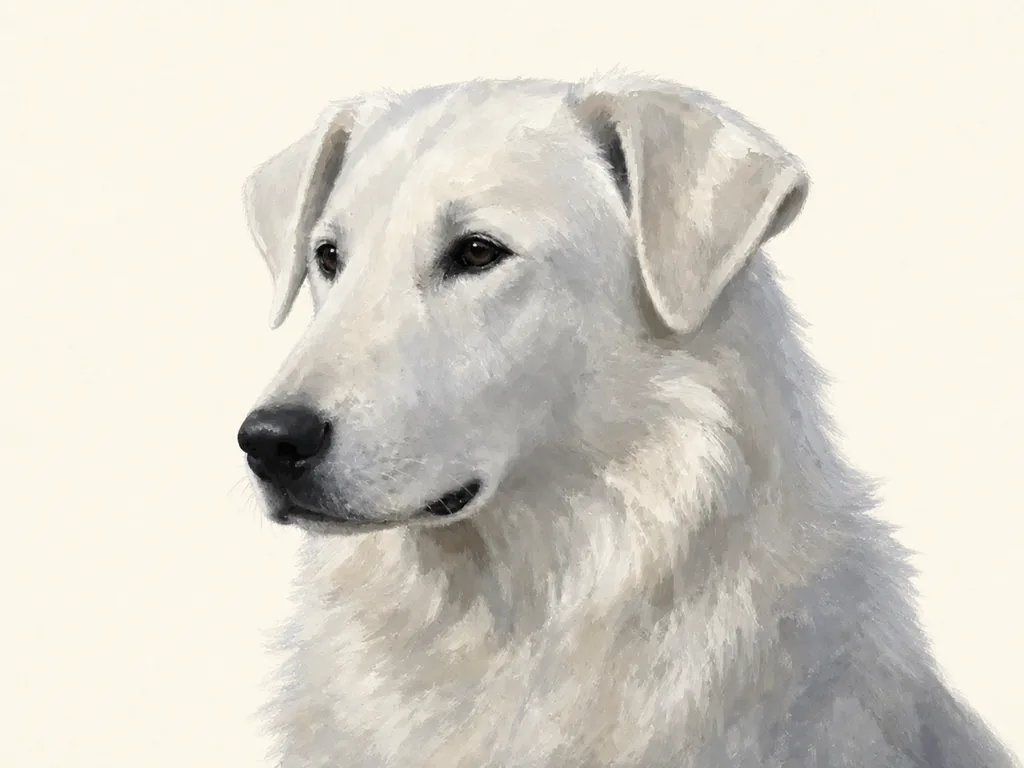
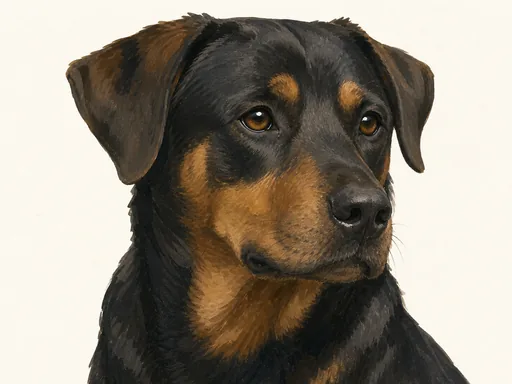
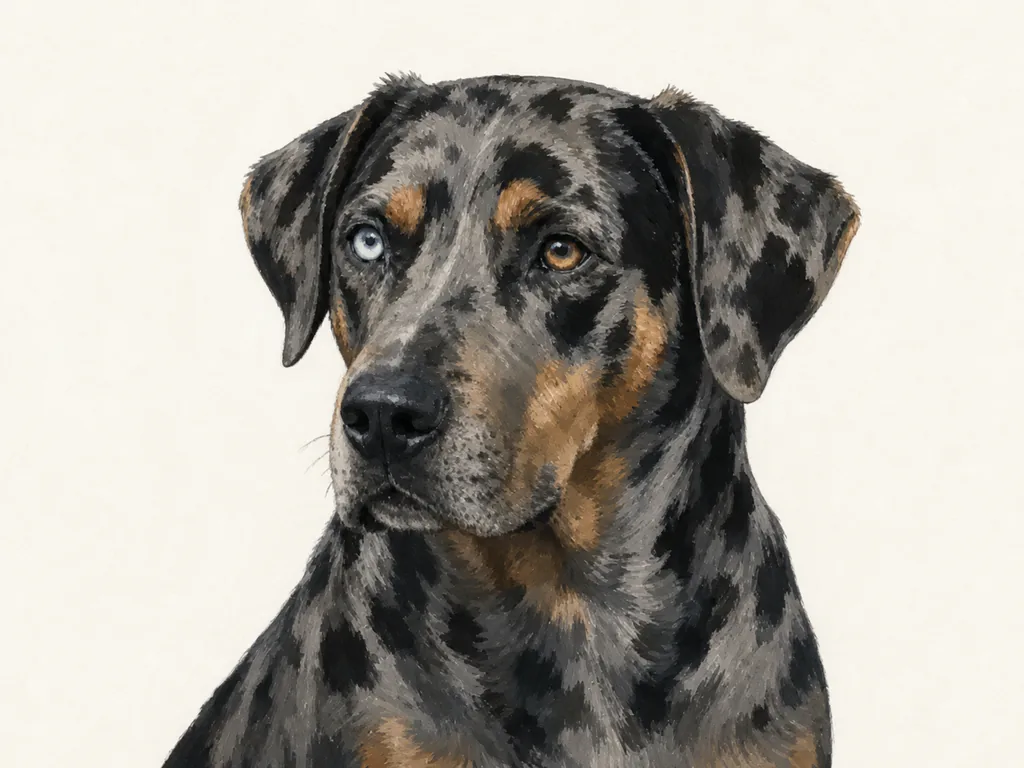
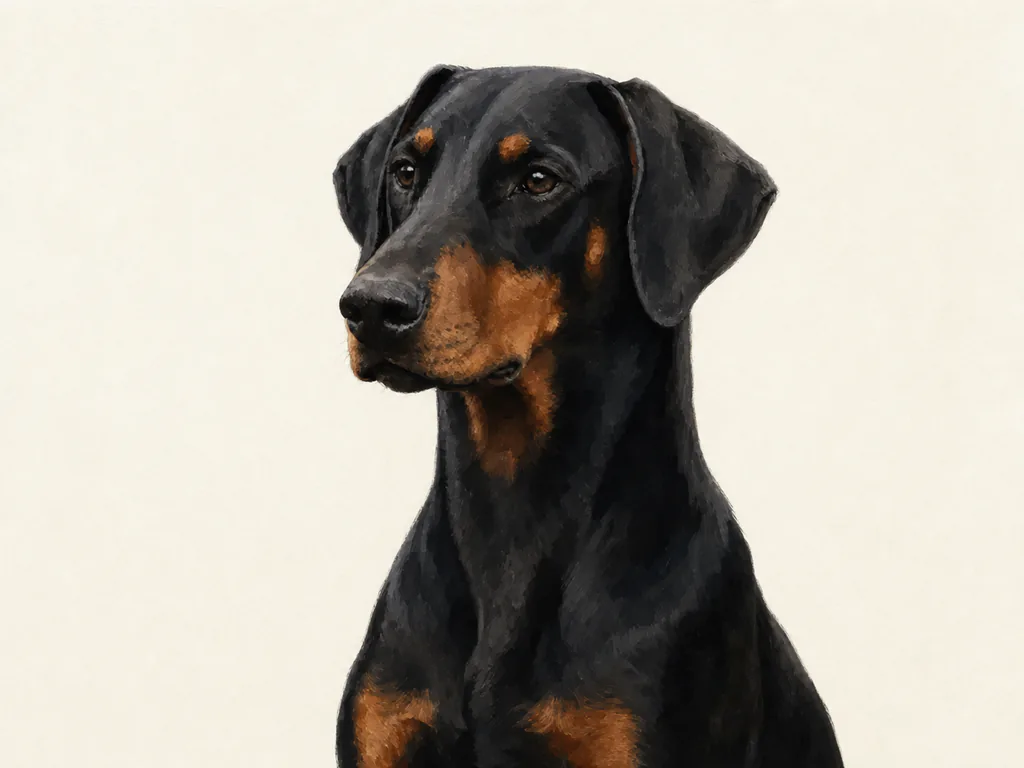
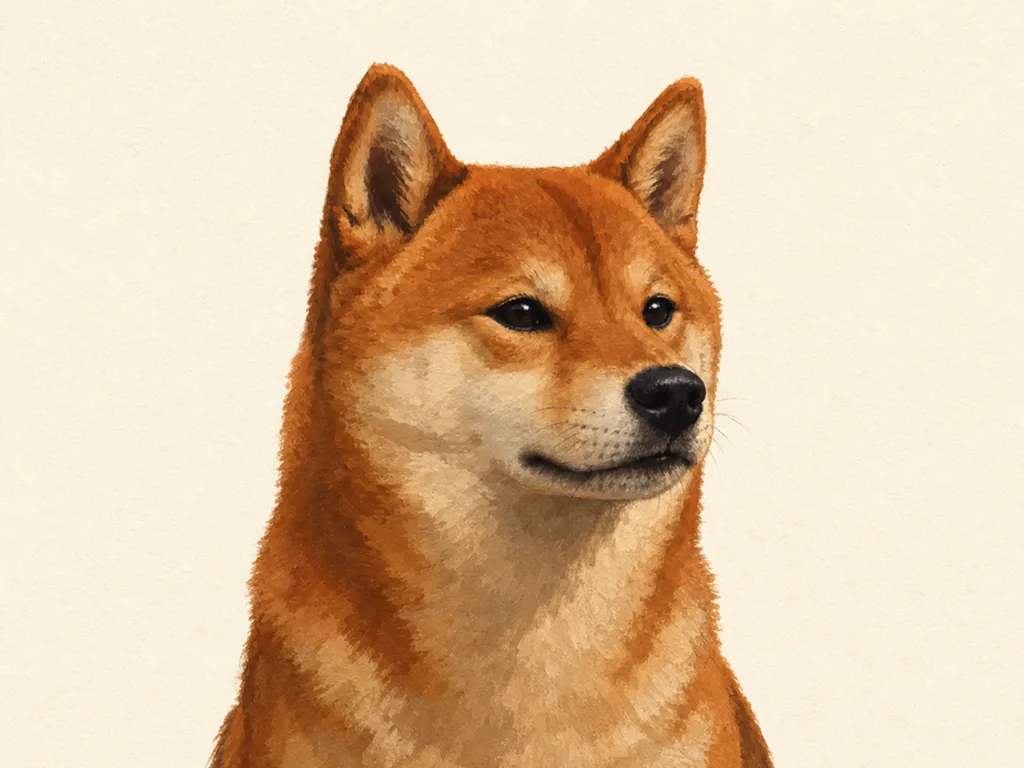
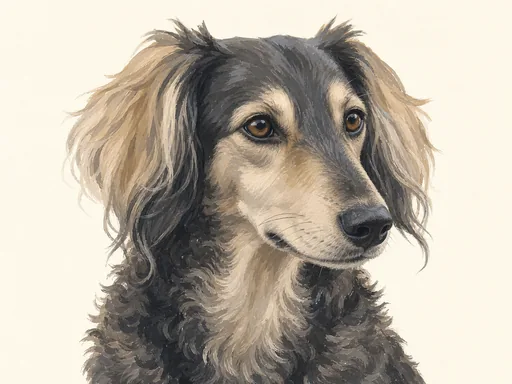
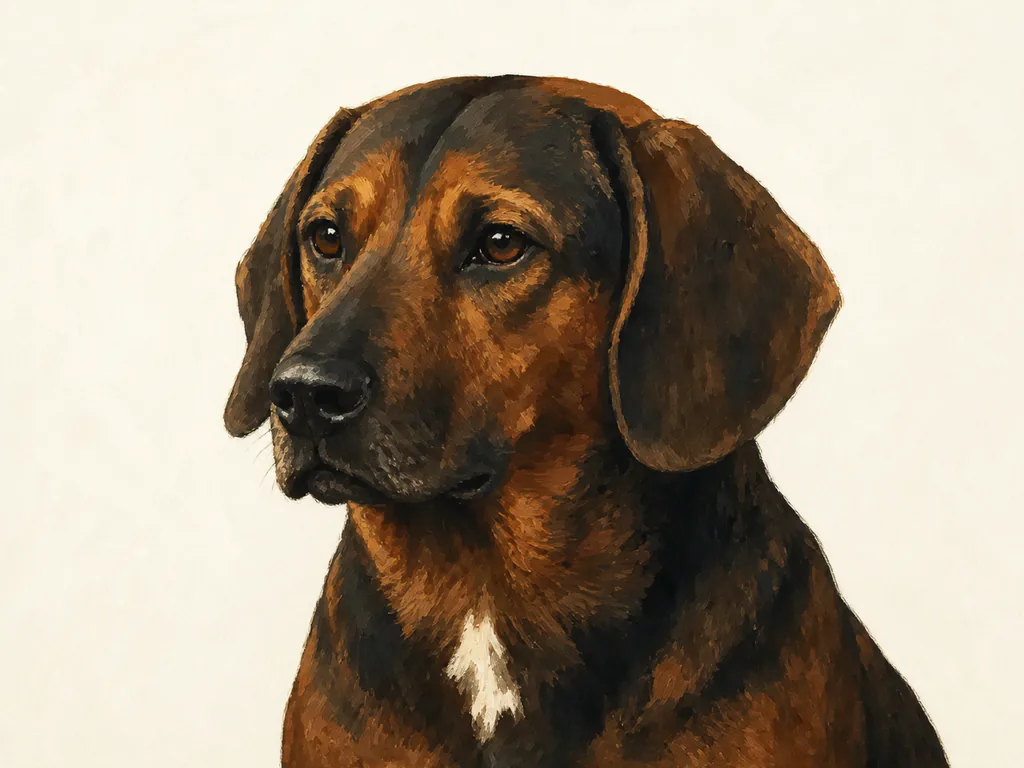
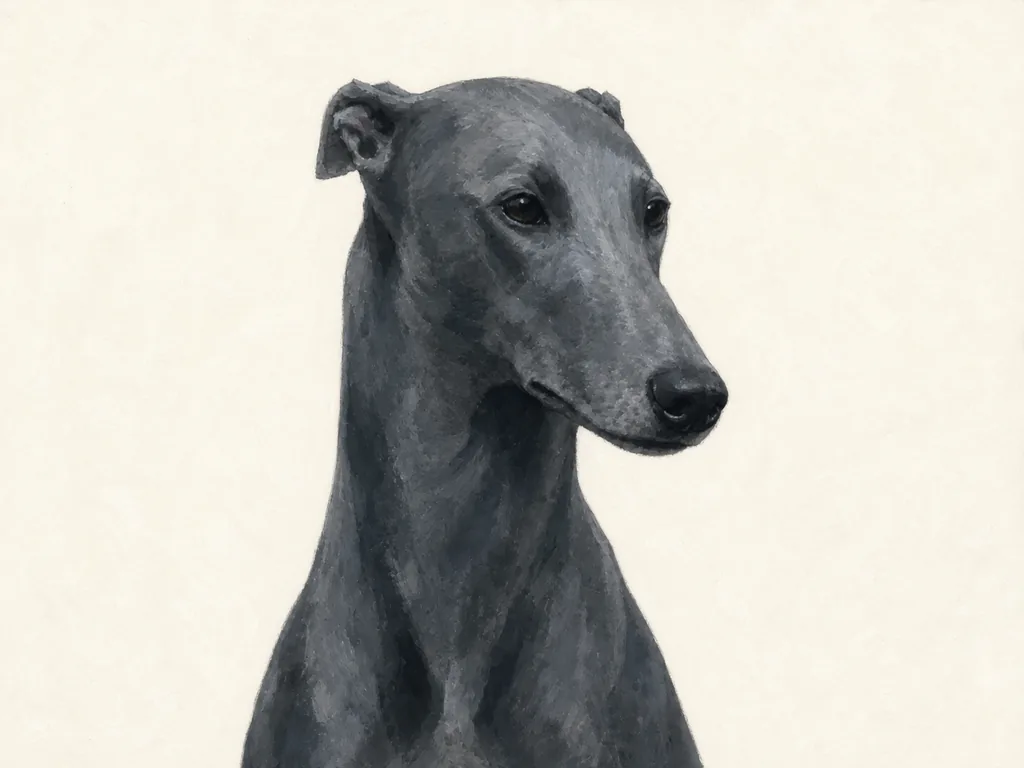
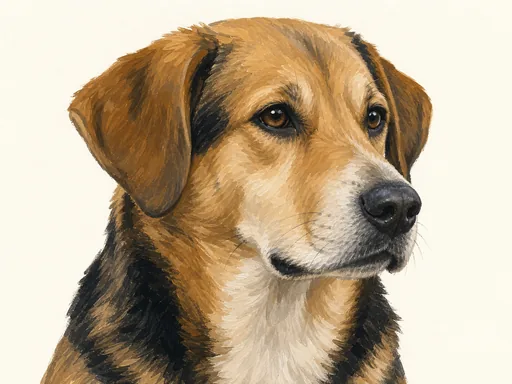
It starts with a list you already have.
A dog DNA test comes back as breed percentages, and that list is the whole input. No photograph, no pedigree, no guess: paste the report in, or type the breeds yourself if you would rather.
These are Bennie’s, exactly as his came back.
- Cocker Spaniel28.1%
- Siberian Husky18.1%
- German Shepherd Dog17.1%
- American Pit Bull Terrier12%
- Samoyed9%
- American Staffordshire Terrier2.8%
- Supermutt12.9%
Then the site works out the tree those numbers make.
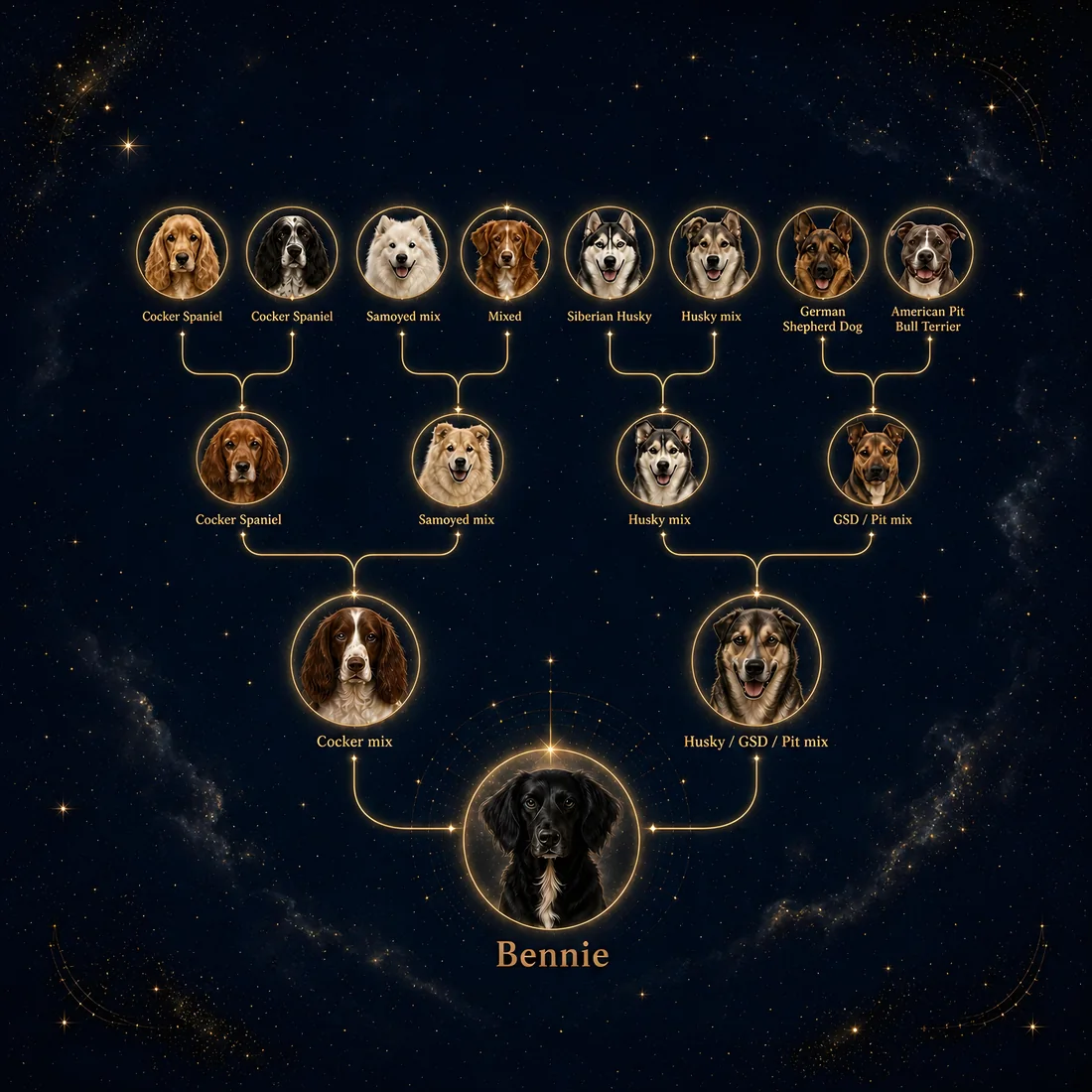
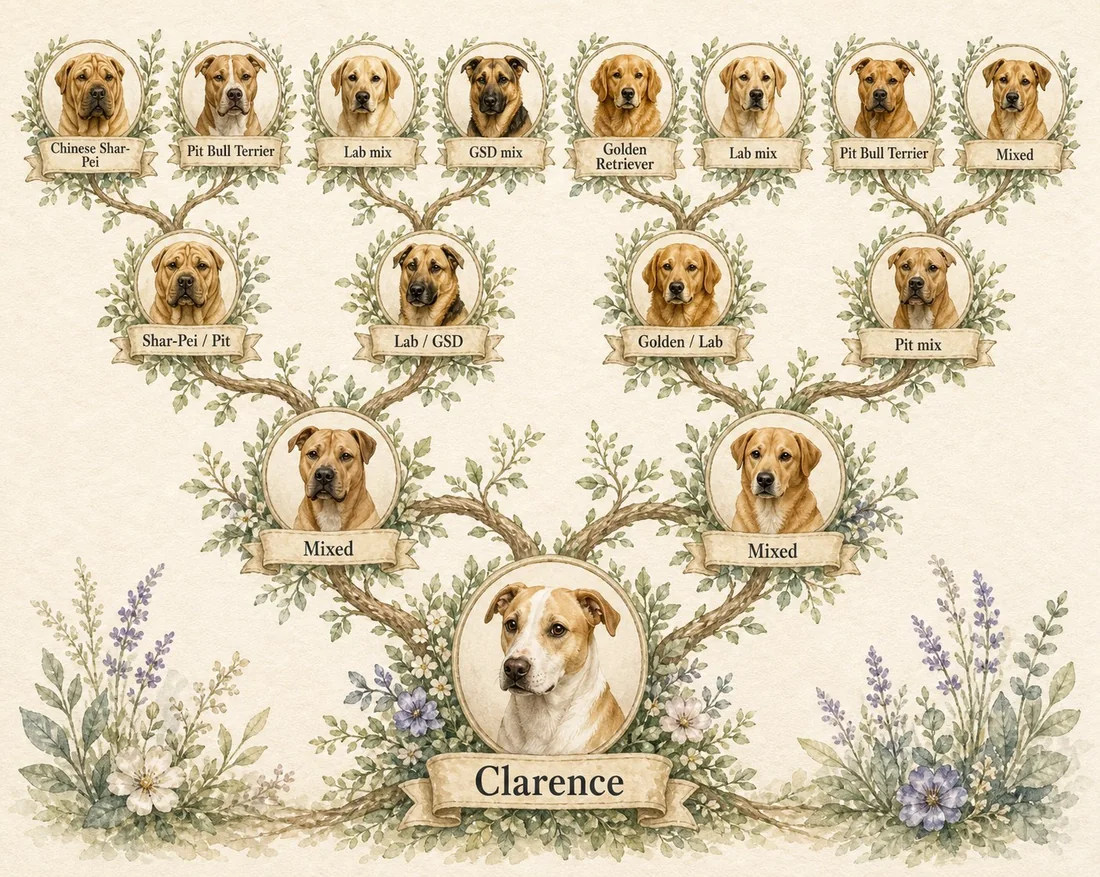
Eight great-grandparents, four grandparents, two parents. The site solves the arithmetic that makes those percentages come out, names what each ancestor would have had to be, and fills its ring from the painted library. The same report always draws the same tree.
This is Bennie’s, from the list above, one photograph, and the two sides arranged the way his report’s own family-tree page arranges them. That page settles which side each ancestor sits on and nothing else: the eight ancestors are still what the percentages imply, and neither parent was tested.

A mixed ancestor gets a portrait, not a pie chart.
262 of the 588 paintings are blends, composed in quarters — three parts one breed to one part another, or half and half, or a half and two quarters — because that is what a painter can actually hit and what a grandparent actually is. The exact percentages stay on the label.
And this is where it is going.
Same arithmetic, same three generations, same dog. The difference is the finish: every ring has a picture, and the whole thing is drawn as one piece instead of set out in rows.
And behind all of it, one drawing of the whole panel.
Every breed on this site sits somewhere on a single measured layout of 258 breeds, 18 village-dog populations and the grey wolf, built from genome-wide similarity across 67,250 variants. It is a map of similarity, not a pedigree.
Open the tree →